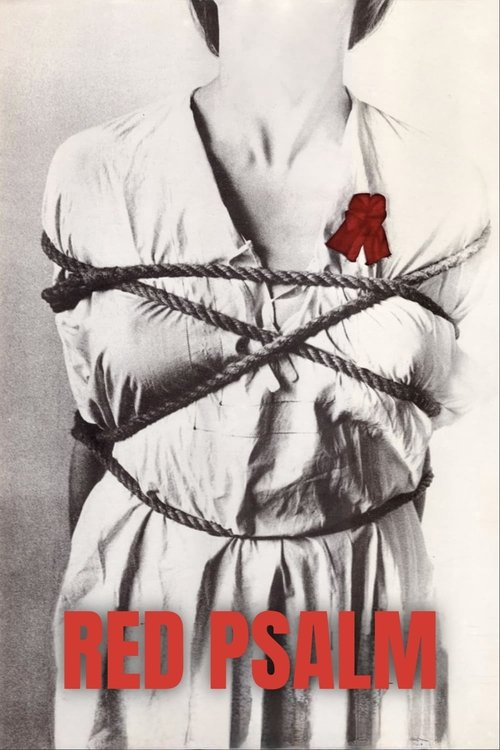
Red Psalm
1972
No user ratings available yet
Representation score: 5.3 out of 10
Representation Score
Limited
1979
Director
Miklós Jancsó
Runtime
103 minutes
Average Rating
No ratings yetNew Showbiz Analysis
Miklós Jancsó’s work analyzes systemic power rather than individual identity. Using a formalist approach, the film deconstructs how authority and social hierarchies function during a peasant revolt. Though the film lacks representation regarding sexuality, disability, and gendered ability to act, it succeeds in its cultural critique. It avoids Western-centric hegemony by focusing on a non-Anglo-Saxon historical struggle and challenging the legitimacy of ruling classes. Ultimately, the film’s strength lies in its intellectual depth and its ability to frame historical authority as a fluid, oppressive force through the lens of socio-political struggle.
Category Breakdown
The film focuses on large-scale political events and group movements. There are no LGBTQ+ characters or stories about non-cisgender identities.
The movie emphasizes collective power over individual stories, often focusing on masculine structures of combat. While it avoids reinforcing submissive femininity, it lacks nuanced roles for women.
Set in early 20th-century Hungary, the film shows a culturally uniform society. It explores class-based identity within a specific historical context rather than diverse ethnic representation.
The film excels by criticizing traditional institutions and state structures. It portrays the struggle for power as a complex, brutal cycle of systemic oppression.
There are no characters with visible or invisible disabilities portrayed with ability to act or as central to the story.
Present on Screen
Limited or Absent
Official Synopsis
The movie portrays a peasant revolt in Hungary in the early twentieth century.
1972
1978
1969

1964
1968
1966
1959
1981
No reviews yet. Be the first to share your thoughts on this movie!
Use the rating form above to leave a star rating and optional review.