The Round-Up
1966
No user ratings available yet
Representation score: 2.5 out of 10
Representation Score
Limited
1979
Director
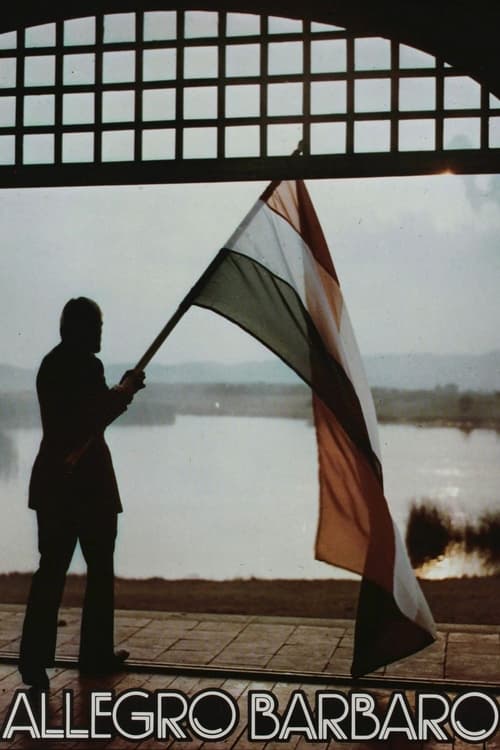
Miklós Jancsó
Runtime
73 minutes
Average Rating
No ratings yetNew Showbiz Analysis
Allegro Barbaro is a formalist exploration of power and political control rather than a study of identity politics. It uses choreographed movements and long takes to examine how systemic authority influences individuals. While the film lacks explicit LGBTQ+ or racial diversity, it excels through its structural subversion of traditional Western storytelling. It prioritizes collective movement over individual heroism, challenging perceptions of personal ability to act. The film's strength lies in its critique of institutional authority and the cyclical nature of oppression. It focuses on how identity is shaped and suppressed by the machinery of the state and historical circumstances.
Category Breakdown
The film focuses on the evolving romantic relationship between Zsadányi and Mari. It does not include any characters with non-binary gender identities or same-sex relationships.
Jancsó emphasizes collective movement over traditional gender roles, reducing the impact of conventional patriarchal leadership.
Set in the Hungarian countryside, the cast reflects the homogeneous population of the region. The film stays true to its specific historical and geographic context.
The narrative provides a nuanced look at power dynamics by showing a landowner within a socialist community. It highlights the tension between local communities and political forces.
There are no visible depictions of physical or cognitive disabilities used as central plot devices or character traits.
Present on Screen
Limited or Absent
Official Synopsis
Zsadányi flees from the authorities with his goddaughter, Bankós Mari, and they escape into the forest. The film then skips ahead thirty-fold years: Zsadány and Mari are now lovers, with the sound of war in the background halting their romance. The old friends of Zsadányi have joined with the Nazis, and the landowner living with his peasants in a socialist community grows distant from them. Zsadányi is held responsible for political problems in the country, and will pay with his life.
1966

1967
2003

1975
1966
1995
1987
1976
No reviews yet. Be the first to share your thoughts on this movie!
Use the rating form above to leave a star rating and optional review.