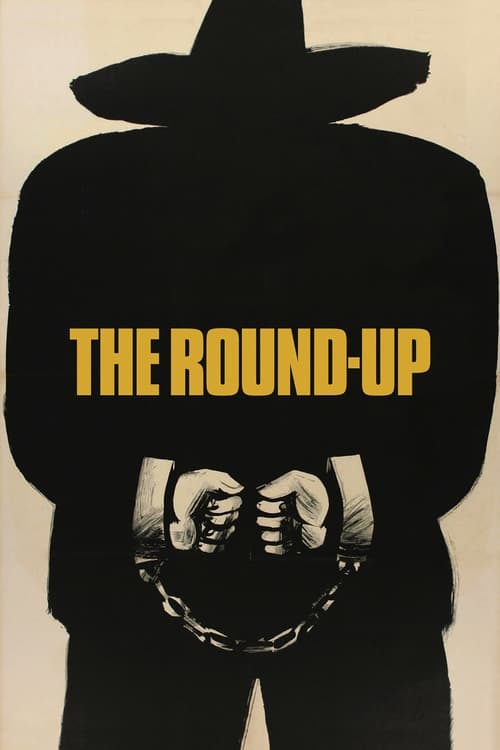
The Round-Up
1966
No user ratings available yet
Representation score: 2.5 out of 10

Representation Score
Limited
1971
Director
Miklós Jancsó
Runtime
84 minutes
Average Rating
No ratings yetNew Showbiz Analysis
Agnus Dei is a historical film that explores the cycles of oppression in post-1919 Hungary. It focuses on the intellectual deconstruction of power structures rather than diverse demographics. The film looks at how religious fanaticism and political regimes exploit the peasantry through class-based oppression. Despite the lack of representation for LGBTQ+ individuals and people with disabilities, the film provides a deep critique of institutional power. It examines how social hierarchies and state authority operate in a predatory environment.
Category Breakdown
The film does not include any LGBTQ+ characters or stories that explore non-straight relationships.
Women are shown in traditional roles within their communities, bound by the social structures of the early 20th century. The film highlights the influence of patriarchal authority.
The casting is consistent with the ethnic makeup of the Hungarian countryside during that time. The film avoids modern casting practices to maintain historical accuracy.
The film critiques both religious and state institutions, showing how they can be tools of oppression. It portrays the Church and political systems as instruments of systemic harm.
There are no noticeable depictions of physical or neurological disabilities used as central character traits or plot devices.
Present on Screen
Limited or Absent
Official Synopsis
Allegory of the suppression of the 1919 revolution and the advent of fascism in Hungary; in the countryside, a unit of the revolutionary army spares the life of father Vargha, a fanatical priest. He comes back and leads massacres. A new force, represented by Feher, apparently avenges the people, but only to impose a different, more refined and effective kind of repression.
1966

1925
1968
1979

1972

1952

1979
1995
No reviews yet. Be the first to share your thoughts on this movie!
Use the rating form above to leave a star rating and optional review.