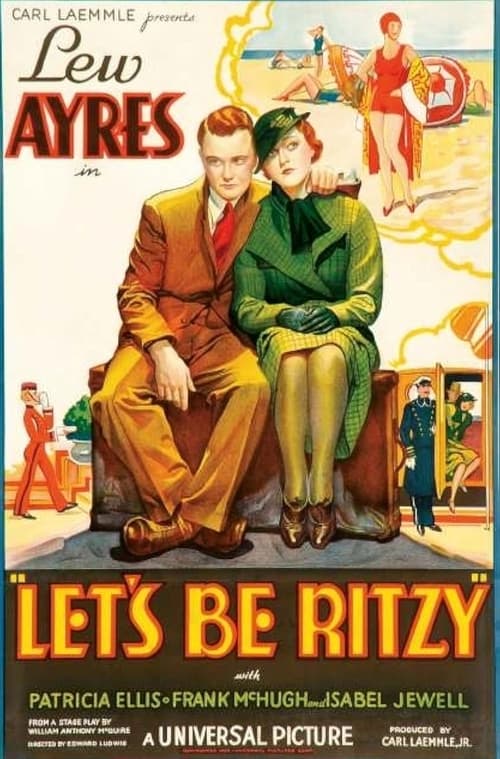
Let’s Be Ritzy
1934
No user ratings available yet
Representation score: 2.0 out of 10
Representation Score
Minimal
1930
PassedDirector
William A. Seiter
Runtime
72 minutes
Average Rating
No ratings yetNew Showbiz Analysis
The film is a product of the 1930s studio system, operating within the era's established social and demographic constraints. It functions primarily as a domestic comedy centered on interpersonal maneuvering and traditional family structures. While the protagonist uses deception to navigate patriarchal control, the narrative's ultimate goal is to uphold traditional heterosexual outcomes. The film lacks significant representation of diverse identities, focusing instead on conventional romantic and familial dynamics. Ultimately, the work serves to reinforce the social necessity of marriage and the importance of the traditional family unit.
Category Breakdown
The film does not include any non-straight or non-cisgender identities or same-sex romantic relationships. It follows the conventional heterosexual courtship structures typical of the era.
Female characters play a central role in driving the main conflict through social manipulation and deception. While the protagonist actively manipulates patriarchal authority, the story remains focused on marriage.
The production appears to adhere to the homogeneous, Anglo-centric casting standards of the early studio system. There is no evidence of diverse character arcs or casting actors of different backgrounds.
The plot reinforces traditional Western institutions and familial hierarchies. Deception is used as a tool to facilitate marriage rather than to question social norms.
There is no documented evidence of characters with physical or neurodivergent disabilities playing central roles in the narrative.
Present on Screen
Limited or Absent
Official Synopsis
An older daughter invents a fiancé so that her father will allow her younger sister to marry. However, the lie comes back to haunt her.
1934
1930
1930
1935
1930

1937
1930
1948
No reviews yet. Be the first to share your thoughts on this movie!
Use the rating form above to leave a star rating and optional review.