
Just Another Blonde
1926
No user ratings available yet
Representation score: 1.9 out of 10
Representation Score
Minimal
1941
ApprovedDirector
Raoul Walsh
Runtime
97 minutes
Average Rating
No ratings yetNew Showbiz Analysis
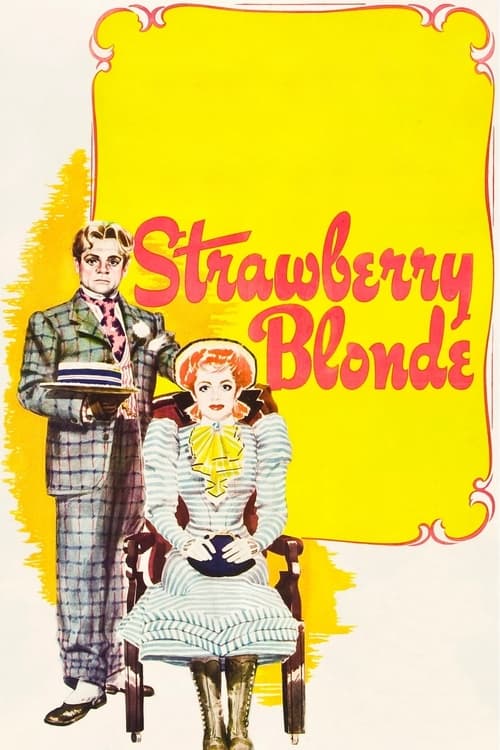
The Strawberry Blonde is a period melodrama that operates within established social hierarchies and traditional archetypes. Its narrative structure prioritizes conventional morality and straight-centered romantic dynamics, offering little room for diverse perspectives. The film's reliance on gendered clichés and a homogeneous cast reflects the era's cinematic standards. While the characters drive the romantic conflict, they do so within a framework that reinforces existing social norms rather than challenging them.
Category Breakdown
The film adheres to the assumption that everyone is straight or cisgender. There are no depictions of non-binary gender identities or same-sex relationships.
The story relies on traditional female archetypes such as the virtuous woman and the temptress. Women's roles are defined by their impact on male characters rather than by their own independence.
The cast is predominantly white, reflecting the era's cinematic norms. There is a noticeable lack of characters from diverse racial backgrounds in key roles.
The narrative emphasizes a single, conventional moral code and reinforces social order. It functions as a classic melodrama that upholds traditional societal structures.
There are no prominent depictions of physical or neurodivergent disabilities within the narrative context.
Present on Screen
Limited or Absent
Official Synopsis
Biff Grimes is desperately in love with Virginia, but his best friend Hugo marries her and manipulates Biff into becoming involved in his somewhat nefarious businesses. Hugo appears to have stolen Biff's dreams, and Biff has to deal with the realisation that having what he wants and wanting what another has can be very different things.
1926
1948

1941
1941
1935
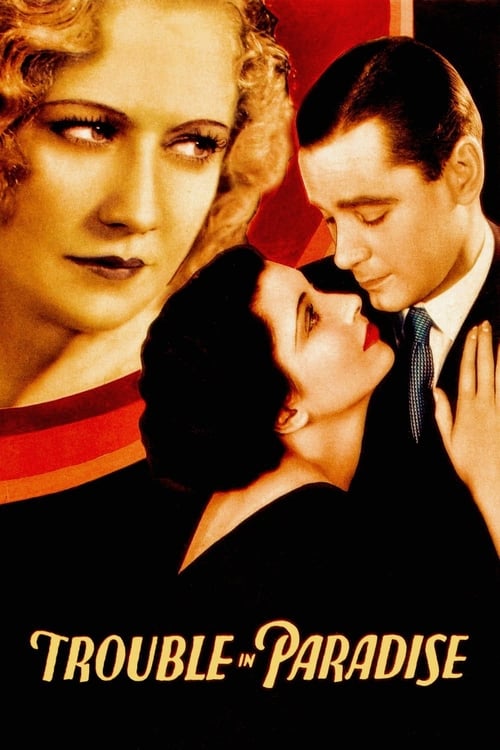
1932
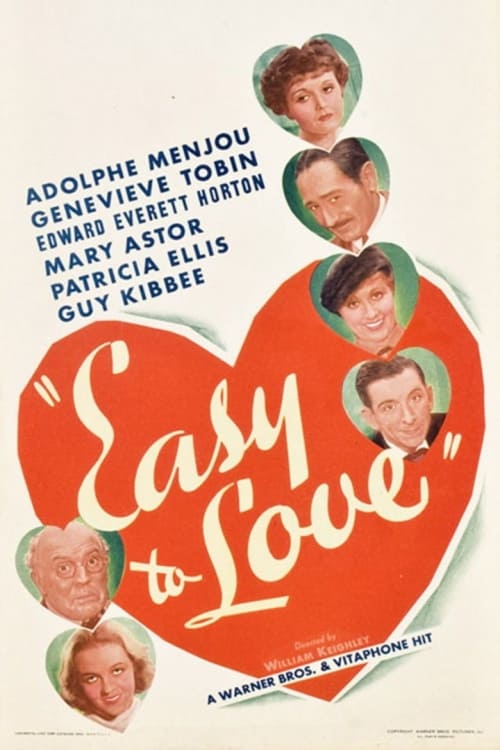
1934

1942
No reviews yet. Be the first to share your thoughts on this movie!
Use the rating form above to leave a star rating and optional review.