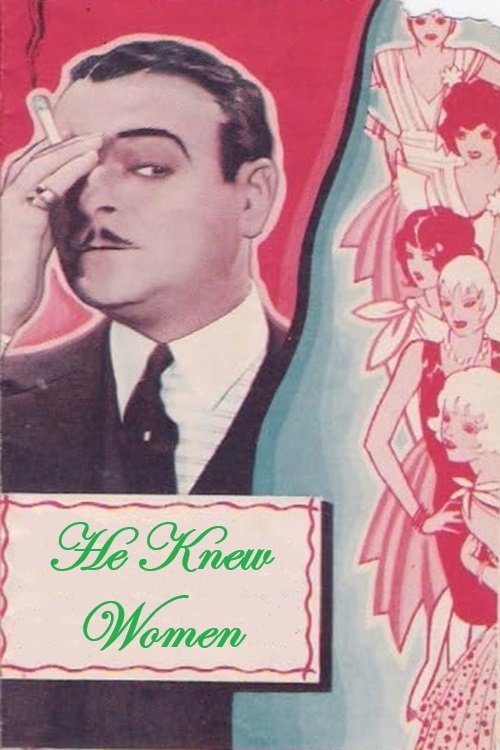
He Knew Women
1930
No user ratings available yet
Representation score: 2.0 out of 10
No Poster Available
Representation Score
Minimal
1930
UDirector
Charles Saunders
Runtime
69 minutes
Average Rating
No ratings yetNew Showbiz Analysis
No Exit is a product of the early sound era, operating within the standard commercial frameworks of 1930s romantic comedy. The narrative relies on conventional clichés of mistaken identity and class distinction to drive its plot. The film lacks complexity in reflecting multiple aspects of identity, focusing instead on a romantic misunderstanding between a publisher's daughter and an author. It adheres to the era's social norms without attempting to disrupt established hierarchies or provide diverse representation. Ultimately, the film serves as a typical example of the genre, prioritizing traditional social reconciliation over any meaningful exploration of identity or systemic issues.
Category Breakdown
The film focuses on a traditional romantic misunderstanding. There is no evidence of non-traditional gender identities or critiques of the assumption that everyone is straight or cisgender.
The plot utilizes a classic cliché involving a publisher's daughter and a male author. Gender roles are defined by class and social standing rather than challenging traditional hierarchies.
The production likely reflects the homogeneous casting norms of early Hollywood. The film adheres to the period's standard of storytelling focused on white characters.
The story centers on socioeconomic disparities between a poor author and a rich novelist. It leans toward traditional social reconciliation rather than critiquing systemic issues.
There is no information available regarding the inclusion of characters with physical or neurodivergent disabilities.
Present on Screen
Limited or Absent
Official Synopsis
A romantic comedy directed by Charles Saunders. A publisher's daughter mistakes a poor author for a rich novelist.
1930
1938
1930

1928
1934
1926
1940
1930
No reviews yet. Be the first to share your thoughts on this movie!
Use the rating form above to leave a star rating and optional review.