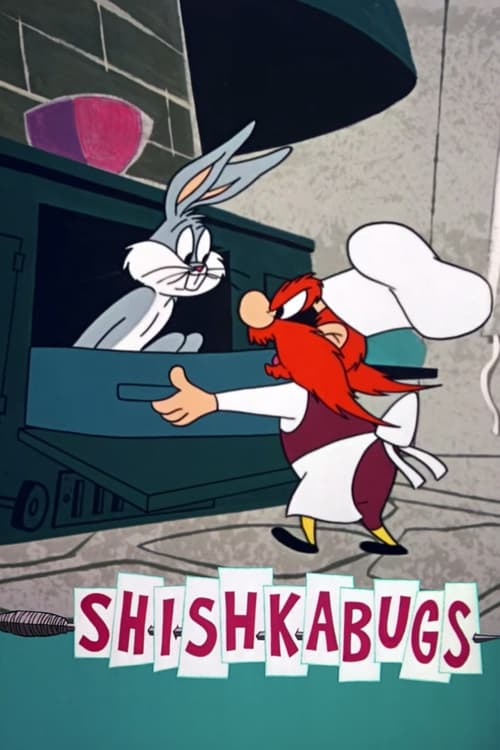
Shishkabugs
1962
No user ratings available yet
Representation score: 0.3 out of 10
Representation Score
Minimal
1959
NRDirector
Abe Levitow
Runtime
6 minutes
Average Rating
No ratings yetNew Showbiz Analysis
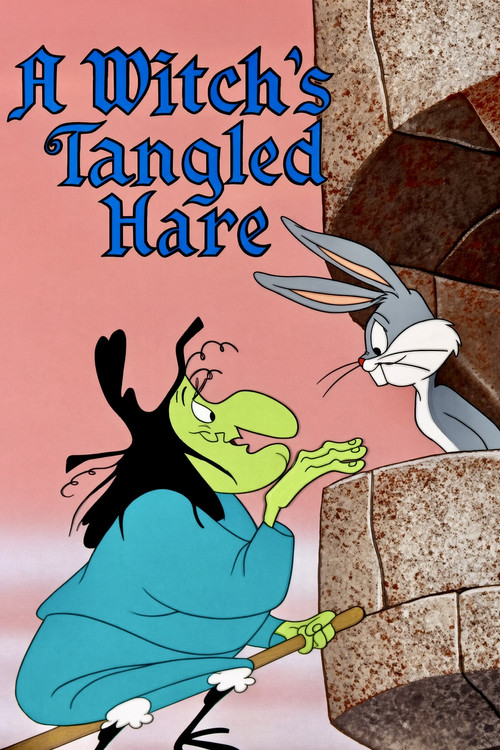
A Witch's Tangled Hare is a product of the 1959 animation era, characterized by a reliance on established slapstick traditions and standard character archetypes. The narrative centers on a conflict between Witch Hazel and Bugs Bunny, prioritizing comedic timing over social or demographic depth. The film lacks intentional diversity, reflecting the industry standards of its time. It uses anthropomorphic characters and Western folklore, which avoid characters who reflect more than one aspect of diversity or the subversion of traditional social orders. Ultimately, the work functions as a conventional piece of mid-century entertainment, offering little in the way of progressive narrative frameworks or diverse identity portrayals.
Category Breakdown
The film does not include any visible LGBTQ+ characters or identities outside of traditional heterosexual norms. It adheres to the comedic clichés of the 1950s, which generally did not feature queer representation.
Witch Hazel is portrayed as a strong magical figure, but she mainly functions as a traditional antagonist. The conflict between her and Bugs Bunny follows standard comedic antagonism without challenging gender hierarchies.
Using anthropomorphic animals abstracts the narrative away from specific racial or ethnic identities. The casting approach reflects a homogeneous perspective typical of the era's animation.
The story operates within the context of Western folklore and slapstick comedy. It focuses on individual conflict without delving into diverse cultural perspectives or institutional critiques.
There is no indication of the portrayal of physical or neurodivergent disabilities in this short.
Present on Screen
Limited or Absent
Official Synopsis
Rabbit - in this case Bugs - is an important needed ingredient in Witch Hazel's brew.
1962
1964
1955
1960
1963

1951

1950
1964
No reviews yet. Be the first to share your thoughts on this movie!
Use the rating form above to leave a star rating and optional review.