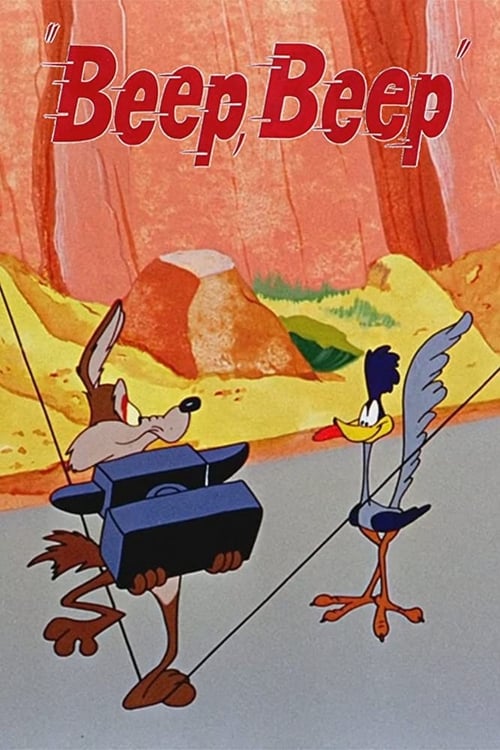
Beep, Beep
1952
No user ratings available yet
Representation score: 0.0 out of 10
Representation Score
Minimal
1946
NRDirector
Chuck Jones
Runtime
7 minutes
Average Rating
No ratings yetNew Showbiz Analysis
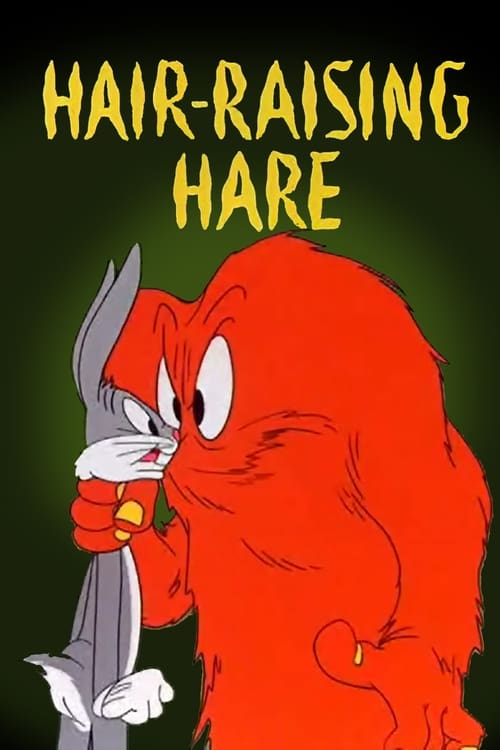
Hair-Raising Hare is a quintessential mid-century slapstick short that prioritizes kinetic energy over character depth. The narrative is a closed loop of physical comedy, focusing on the pursuit between Bugs Bunny and Gossamer. Because the film relies on standard 1940s animation clichés, it lacks intentionality regarding diverse identities. The characters exist within a heightened reality where social hierarchies and systemic critiques are entirely absent. Ultimately, the film functions as a pure exercise in gag-driven storytelling. It does not engage with the social or cultural complexities required to represent a diverse range of human experiences.
Category Breakdown
The film does not include any LGBTQ+ characters or explore non-straight relationships. The story focuses solely on the physical chase between Bugs Bunny and the monster.
The cast consists only of male-coded characters, leaving no room for female characters or their roles. The absence of female characters means there is no exploration of gender dynamics or social structures.
The characters are anthropomorphic animals and monsters. The film does not use race or ethnicity as part of the story or metaphors within its setting.
The narrative centers on slapstick mischief within a scientist's castle. It lacks any critique of Western institutions, religion, or organized social frameworks.
There are no depictions of physical, sensory, or neurodivergent disabilities. Physical vulnerability is used strictly as a comedic tool rather than a lived experience.
Present on Screen
Limited or Absent
Official Synopsis
A sneaker-wearing, hairy monster chases Bugs through a castle belonging to an evil scientist.
1952
1945
1948
1945
1954
1940
1943
1955
No reviews yet. Be the first to share your thoughts on this movie!
Use the rating form above to leave a star rating and optional review.