The Cat Came Back
1936
No user ratings available yet
Representation score: 0.5 out of 10
Representation Score
Minimal
1960
ApprovedDirector
Friz Freleng
Runtime
6 minutes
Average Rating
No ratings yetNew Showbiz Analysis
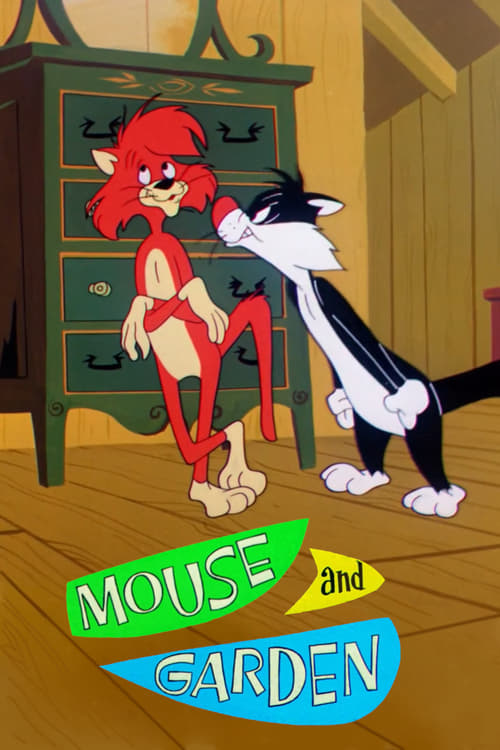
Mouse and Garden is a character-driven comedic short that prioritizes slapstick humor and predator-prey dynamics. The narrative revolves around a competitive loop between Sylvester and Sam as they vie for a single resource. The film adheres to the conventional constraints of 1960s animation, focusing on individual appetite rather than social hierarchies. This results in a narrow scope that lacks complexity in reflecting multiple aspects of identity. Because the conflict is driven by immediate desire and biological instinct, the work avoids broader social or cultural commentary, remaining a standard piece of mid-century character comedy.
Category Breakdown
The film features a transactional relationship between two male-coded cats, with no evidence of queer subtext or non-straight identities.
The story focuses solely on male-coded characters, with no female characters to challenge or subvert traditional gender roles.
The characters are anthropomorphic animals driven by biological instincts, and the generic waterfront setting does not include specific cultural or ethnic markers.
The story follows a traditional comedic structure centered on individual greed, lacking any critique of Western institutions or specific cultural themes.
The characters operate within standard physical parameters for slapstick comedy, with no indication of visible or invisible disabilities.
Present on Screen
Limited or Absent
Official Synopsis
Sylvester Cat and his orange feline friend, Sam, are rummaging through trash cans for food in the evening on a waterfront when they spot a mouse. They agree to share the little rodent for breakfast the next morning, while during the night each tries to snag the mouse for himself.
1936
1941
1961

1950
1969

1955
1952
1951
No reviews yet. Be the first to share your thoughts on this movie!
Use the rating form above to leave a star rating and optional review.