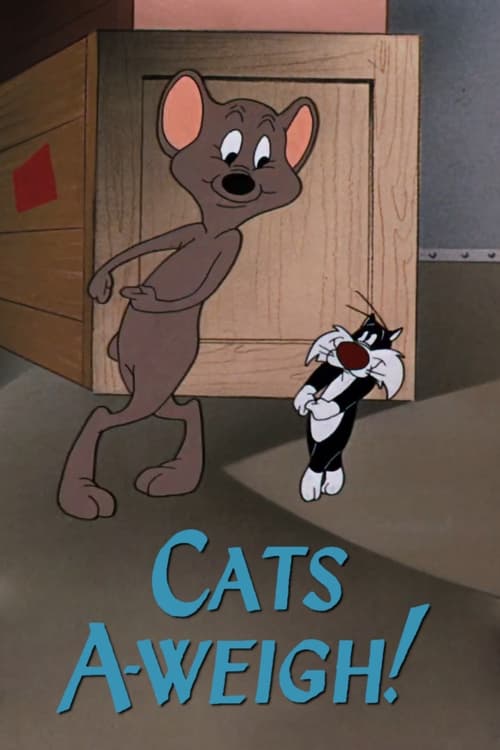
Cats A-Weigh!
1953
No user ratings available yet
Representation score: 0.5 out of 10
Representation Score
Minimal
1956
Director
Robert McKimson
Runtime
7 minutes
Average Rating
No ratings yetNew Showbiz Analysis
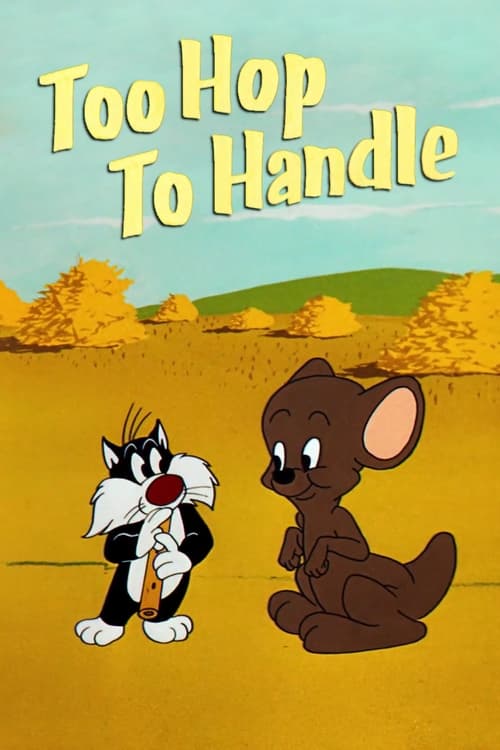
Too Hop to Handle is a conventional mid-century animated short that emphasizes slapstick humor over social commentary. The narrative relies on well-established character types and physical comedy rather than diverse perspectives or critical analysis of societal structures. The film reflects the production standards of the 1950s, focusing on a narrow, male-centric family dynamic. It does not address characters who reflect more than one aspect of diversity or the disruption of traditional social hierarchies. Ultimately, the short serves as a self-contained comedic piece. It operates within a homogeneous framework that avoids complex demographic or cultural intersections.
Category Breakdown
The film does not include any LGBTQ+ characters or stories about non-assuming gender matches what was assigned at birth identities. It focuses on a typical mid-century father-son relationship.
The story revolves around a male-dominated dynamic between Sylvester and Junior. These characters embody traditional masculine roles such as the bumbling father and the earnest child.
As an animal comedy, the film does not depict human racial or ethnic diversity. The cast is consistent within its species-based framework.
The plot uses a European folk tale as a comedic element. It adheres to traditional 1950s Western humor without delving into complex cultural intersections.
There is no depiction of physical or neurodivergent disabilities. The characters do not represent any specific disability categories.
Present on Screen
Limited or Absent
Official Synopsis
Sylvester Cat scoffs at his son's idea that a pipe like that of The Pied Piper of Hamelin could lure mice into their home to catch. But when Junior tries it and Hippety Hopper, the baby kangaroo, comes along, Sylvester believes in the power of the pipe and that Hippety is a giant mouse.
1953
1950
1964
1964

1951
1941

1950
1963
No reviews yet. Be the first to share your thoughts on this movie!
Use the rating form above to leave a star rating and optional review.