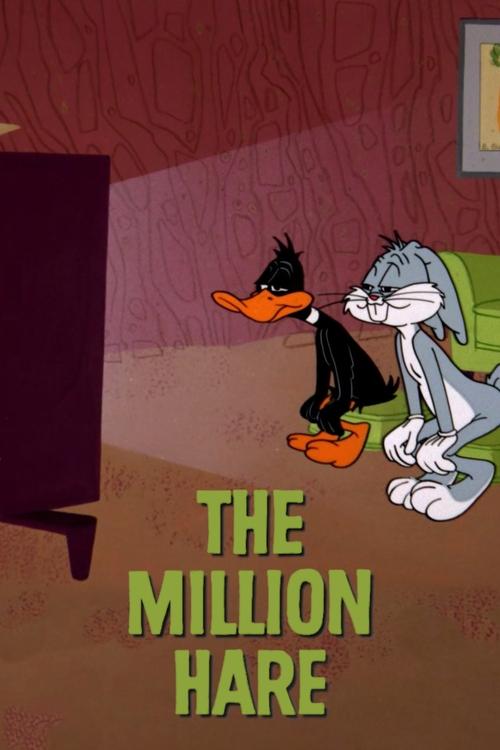
The Million Hare
1963
No user ratings available yet
Representation score: 0.9 out of 10
Representation Score
Minimal
1964
NRDirector
Robert McKimson
Runtime
6 minutes
Average Rating
No ratings yetNew Showbiz Analysis
This short is a typical example of mid-century studio animation, emphasizing well-established Looney Tunes clichés over narrative complexity. The storytelling focuses on individualist slapstick and traditional character dynamics, avoiding intentions to challenge social hierarchies or introduce diverse identities. The film operates within a narrow scope, centering on a hunter-versus-prey conflict that lacks perspectives reflecting multiple aspects of identity. It functions as a closed loop of traditional comedy, offering no intentionality to address social representation.
Category Breakdown
The film does not include any LGBTQ+ characters or explore non-cisgender identities. The conflict revolves around a traditional male-dominated struggle between the protagonist and antagonist.
The cast consists solely of male-coded characters, following traditional archetypes without challenging gender hierarchies. There is no indication of female empowerment or questioning of masculine dominance.
The film's characters and settings do not reflect diverse racial or ethnic backgrounds. The focus on anthropomorphic animals in a generic hospital setting avoids addressing racial diversity.
The narrative emphasizes slapstick humor over social critique. It uses a mad scientist cliché but does not engage with anti-Western, secularist, or anti-capitalist themes.
The hospital setting and illness are used primarily for comedic effect. These elements serve the slapstick humor without offering meaningful representations of disability or neurodivergence.
Present on Screen
Limited or Absent
Official Synopsis
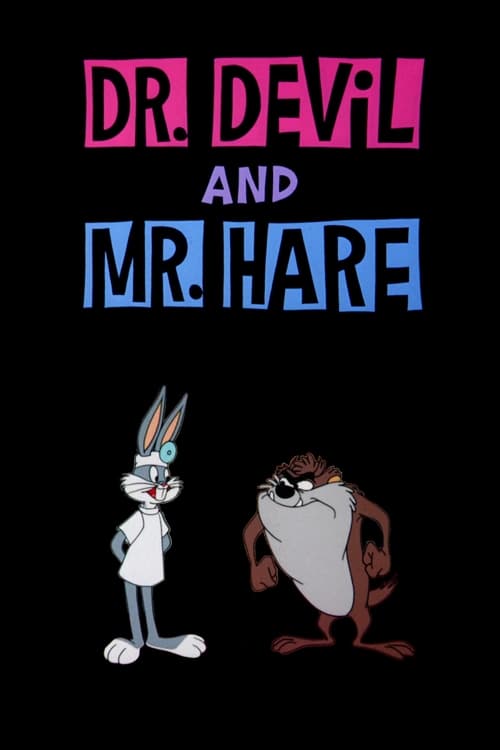
Bugs and the Tasmanian Devil battle it out in a jungle hospital, with Bugs convincing Taz that he's sicker than he thinks.
1963

1951
1964
1952
1960
1956
1952
1969
No reviews yet. Be the first to share your thoughts on this movie!
Use the rating form above to leave a star rating and optional review.