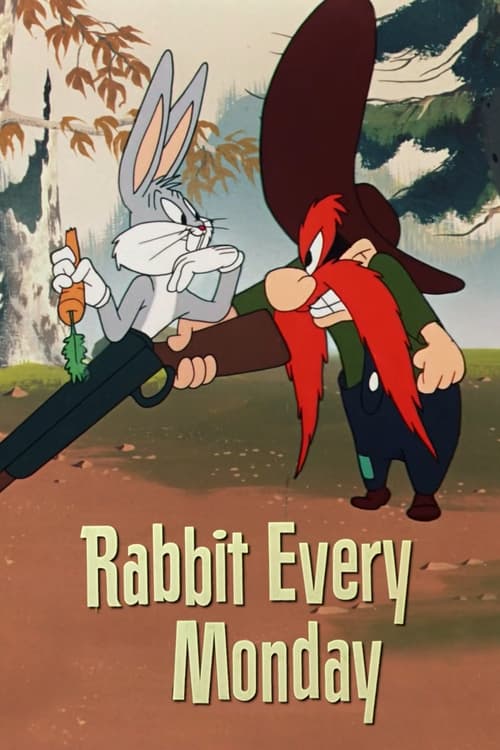
Rabbit Every Monday
1951
No user ratings available yet
Representation score: 0.5 out of 10
Representation Score
Minimal
1949
ApprovedDirector
Friz Freleng
Runtime
7 minutes
Average Rating
No ratings yetNew Showbiz Analysis
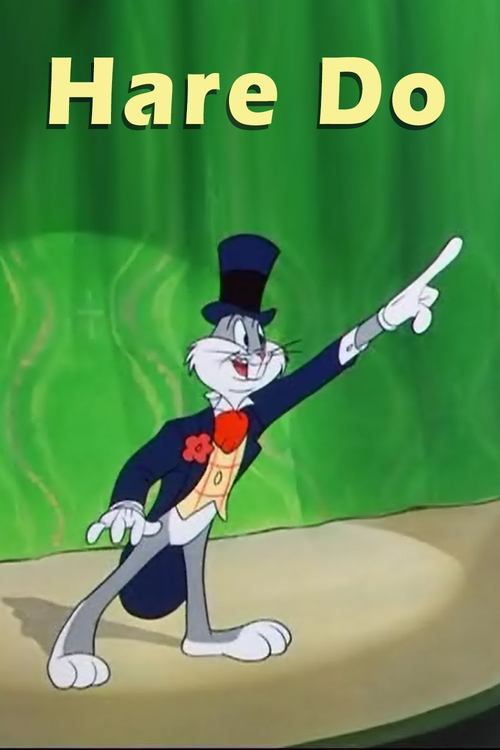
Hare Do is a classic mid-century animation that emphasizes kinetic energy and comedic timing over social inclusion. The story revolves around a repetitive slapstick conflict between two well-established characters. By relying on traditional anthropomorphic animal clichés, the film misses opportunities to address overlapping aspects of identity or challenge societal hierarchies. It remains a product of its era's entertainment standards.
Category Breakdown
The film focuses solely on the predator-prey dynamic between Bugs Bunny and Elmer Fudd, with no depiction of non-traditional gender identities or same-sex relationships.
The film lacks female characters, focusing entirely on a male-centric conflict. It does not explore gender roles or ability to act.
The cast is made up of anthropomorphic animal archetypes, with no visible markers of racial or ethnic diversity.
The film adheres to traditional Western comedic conventions, reinforcing familiar formulas without challenging established norms.
No characters are shown with visible or invisible disabilities. The slapstick violence does not relate to the experiences of disabled individuals.
Present on Screen
Limited or Absent
Official Synopsis
Elmer Fudd chases Bugs Bunny all the way from the woods to a local movie theater, where cinema-related hijinks ensue.
1951
1942
1942
1942
1942
1949
1940
1952
No reviews yet. Be the first to share your thoughts on this movie!
Use the rating form above to leave a star rating and optional review.