Hare Do
1949
No user ratings available yet
Diversity score: 1.0 out of 10
1939
NRDirector
Ben Hardaway, Cal Dalton
Runtime
7 minutes
Average Rating
No ratings yetSynopsis
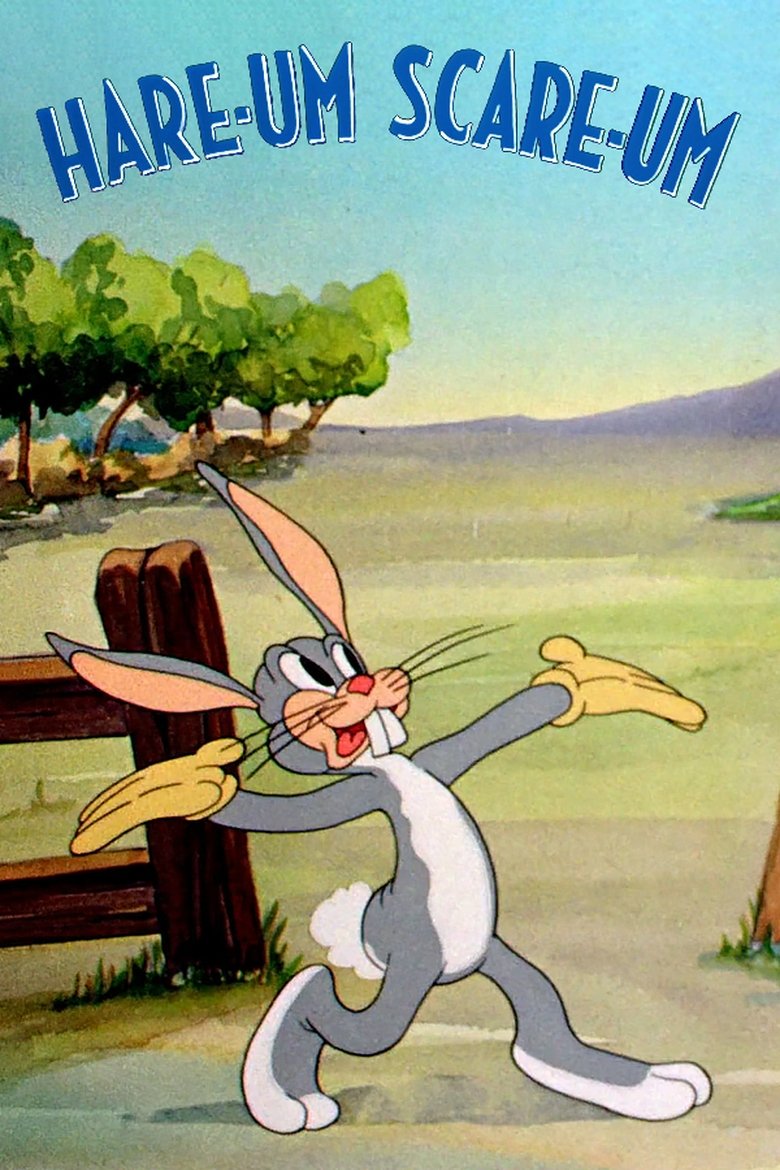
Facing high meat prices, a man decides to take his dog and go hunt for his own. But the crazy rabbit they are after is not very easy to catch.
Overall Score
Minimal
Category Breakdown
LGBTQ+ Representation
The film lacks any depiction of non-heteronormative identities. It adheres to the conventional social structures typical of 1939 animation.
Gender Representation
The story centers on a male hunter and his dog. It reinforces traditional masculine hierarchies without subverting leadership or intellectual dynamics.
Racial & Ethnic Diversity
The narrative suggests a homogeneous, Western-centric character model. There is no evidence of intentional demographic blending or racial diversity.
Religious & Cultural Diversity
The film relies on traditional Western survivalist tropes like hunting for food. It operates within the established norms of early 20th-century American entertainment.
Disability Representation
No characters with visible or invisible disabilities are portrayed. There is no evidence of characters with disabilities possessing agency in the story.
Strengths
Areas for Improvement
AI Analysis
Hare-um Scare-um is a product of its era, prioritizing slapstick comedy and physical gags over social complexity. The narrative follows a standard hunter-versus-prey trope driven by resource scarcity, which limits the scope for diverse character development. The film relies heavily on archetypal dynamics and traditional hierarchies. Because the focus remains on a singular pursuit between a man and a rabbit, the opportunity for nuanced representation or intersectional storytelling is absent. Ultimately, the work functions as a conventional comedic short. It reinforces the social and cultural norms of the late 1930s rather than attempting to disrupt or expand them.
1949
1964
1938
1946
1935
1962
1940
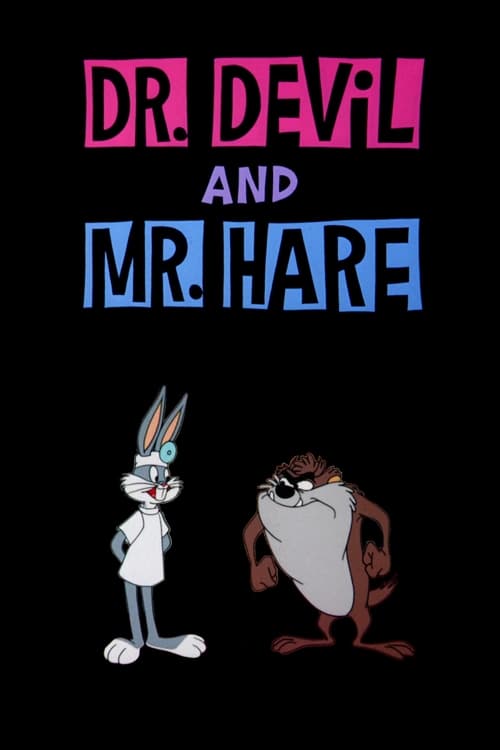
1964
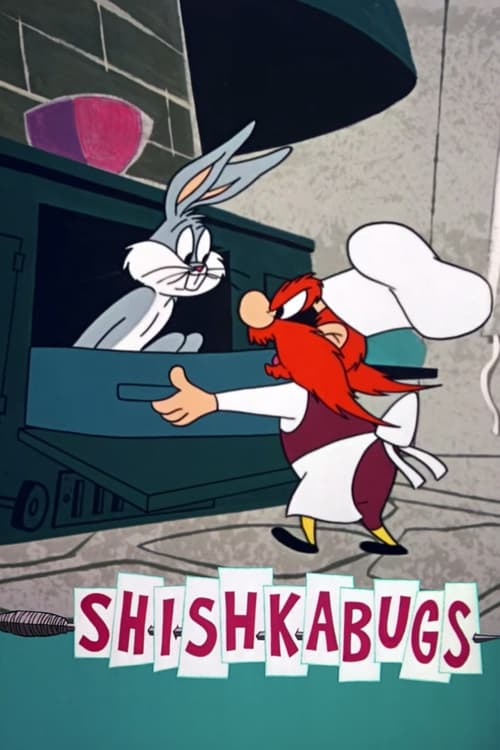
1962
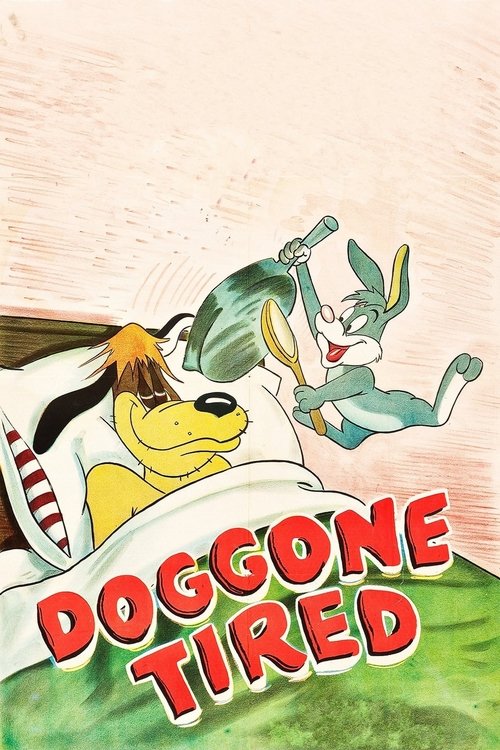
1949
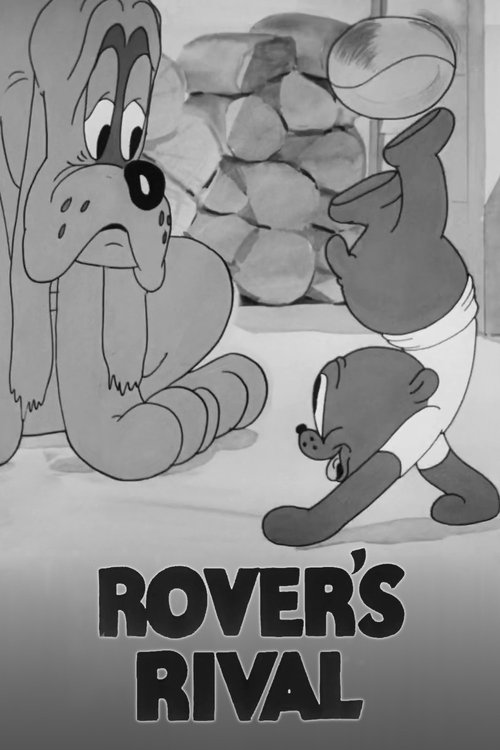
1937
1962
No reviews yet. Be the first to share your thoughts on this movie!
Use the rating form above to leave a star rating and optional review.