
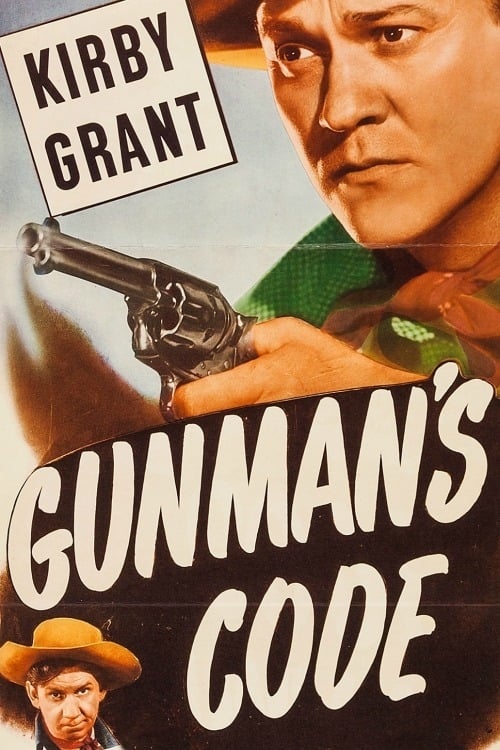
Gun Town
1946
No user ratings available yet
Representation score: 1.6 out of 10
Representation Score
Minimal
1946
ApprovedDirector
Wallace Fox
Runtime
55 minutes
Average Rating
No ratings yetNew Showbiz Analysis
Gunman's Code is a classic mid-century Western that emphasizes well-established genre clichés over social complexity. The plot is driven by male characters who take charge of the story. Representation is mostly uniform, following the social hierarchies of 1946 cinema. The film reinforces traditional masculine roles and institutional justice rather than offering a multifaceted perspective or challenging the status quo. Ultimately, it serves as a straightforward morality tale, lacking the narrative twists or diverse casting needed to go beyond the typical conventions of the B-movie Western era.
Category Breakdown
The film sticks to traditional gender and orientation norms from the mid-20th century. There are no LGBTQ+ characters or stories that question the idea that everyone is straight.
The story focuses on male characters who drive the plot through physical action. Female characters like Laura Burton seem to play supporting roles rather than having their own choices.
The film shows the typical American West of the time, focusing on white protagonists. It doesn't have a diverse cast that includes non-white actors.
The story upholds traditional values like law and order. It presents a clear moral divide between those who follow the law and those who don't, without questioning the status quo.
There is no mention of characters with physical or neurodivergent disabilities.
Present on Screen
Limited or Absent
Official Synopsis
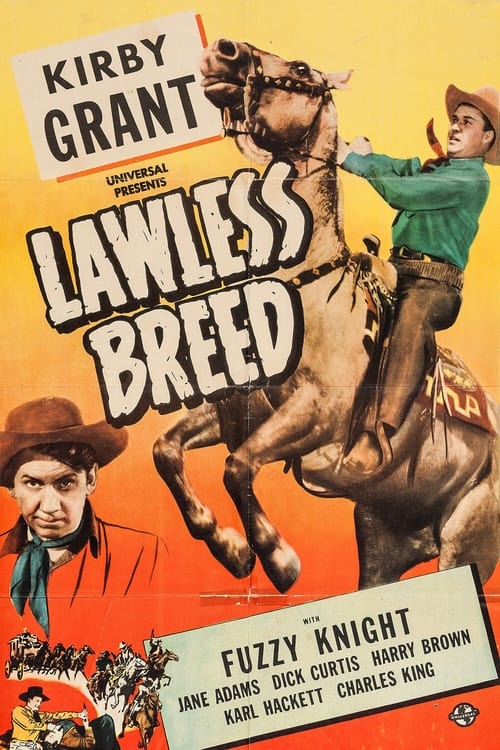
Wells Fargo agents Jack Douglas (Kirby Grant) and Bosco O'Toole (Fuzzy Knight) are sent after a gang of stage robbers. Danny Burton (Bernard Thomas, brother of Laura Burton (Jane Adams, is implicated before Jack is able to prove that saloon owner Lee Fain (Danny Morton) is the man behind the outlaw gang.
1946
1949
1941
1946
1947
1946
1946
1952
No reviews yet. Be the first to share your thoughts on this movie!
Use the rating form above to leave a star rating and optional review.