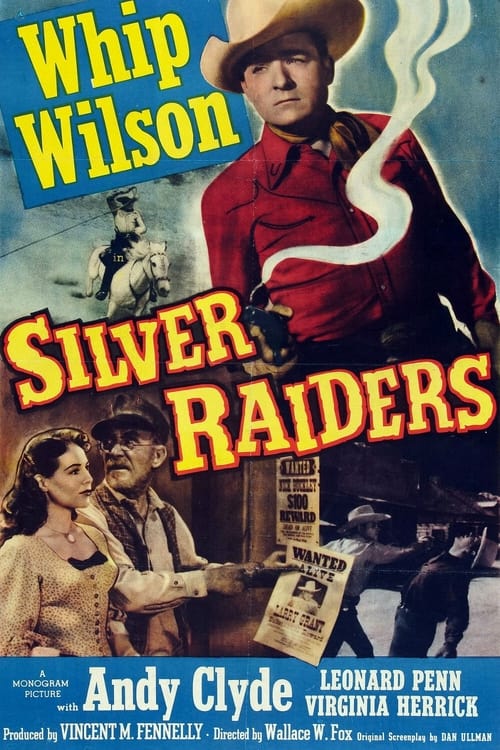
Silver Raiders
1950
No user ratings available yet
Diversity score: 1.9 out of 10

1950
ApprovedDirector
Wallace Fox
Runtime
58 minutes
Average Rating
No ratings yetSynopsis
Bringing Bart Calhoun (Marshall Reed) to justice for his complicity in a robbery/murder, Johnny assumes that his job is over. Not by a long shot! Calhoun's arrest leads to the uncovering of a wide-ranging conspiracy to smuggle silver from Mexico to the United States.
Overall Score
Minimal
Category Breakdown
LGBTQ+ Representation
The film lacks any evidence of LGBTQ+ characters or non-heteronormative identities. It adheres to the standard law-and-order narratives typical of 1950s Western cinema.
Gender Representation
The story centers on a male-driven pursuit of justice between Johnny and Bart Calhoun. It follows a traditional masculine framework of heroism without evidence of female agency.
Racial & Ethnic Diversity
While the plot involves smuggling silver from Mexico, the film likely relies on period-specific racial tropes. Mexican characters appear to be peripheral to the Anglo-American conflict.
Religious & Cultural Diversity
The narrative reinforces mid-century values regarding law, order, and national borders. It functions as a traditional genre piece rather than a critique of social institutions.
Disability Representation
There is no mention of characters with visible or invisible disabilities. The plot focuses strictly on the mechanics of crime and investigation.
Strengths
Areas for Improvement
AI Analysis
Over the Border is a conventional 1950s B-movie Western that prioritizes traditional genre tropes over social complexity. The narrative is built around a standard conflict of law versus criminality, centering on male protagonists and antagonists. The film reinforces the social hierarchies of its era. It lacks representation for LGBTQ+ individuals and characters with disabilities, while the gender dynamics remain strictly focused on masculine heroism. While the cross-border setting introduces Mexican elements, the film likely treats these through the lens of period-specific stereotypes. It serves as a reinforcement of established institutional authority rather than a subversion of cultural norms.
1950

1946
1950
1950

1946
1946
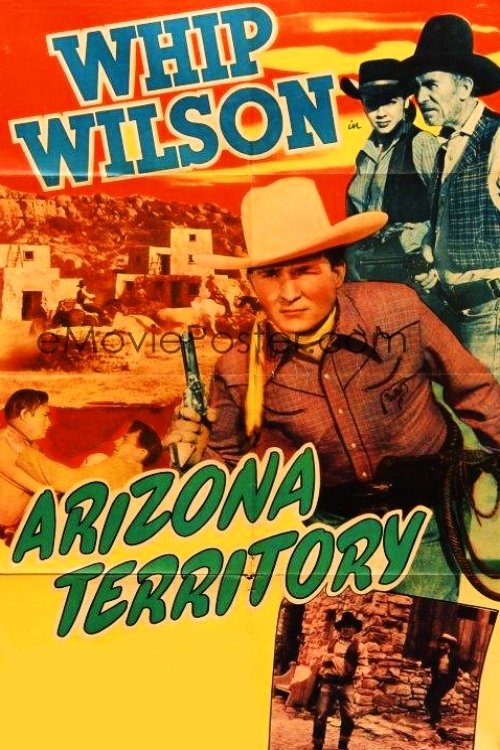
1950
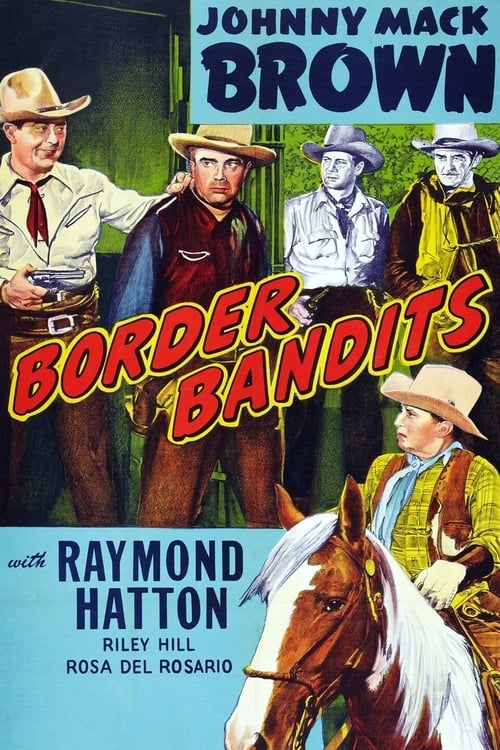
1946
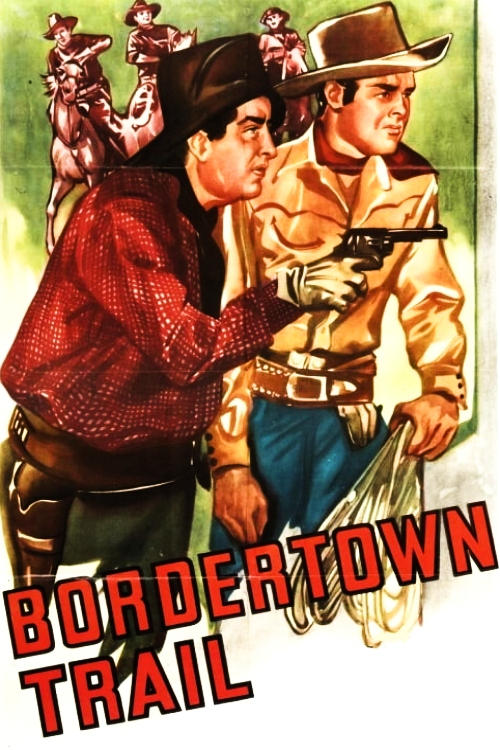
1944
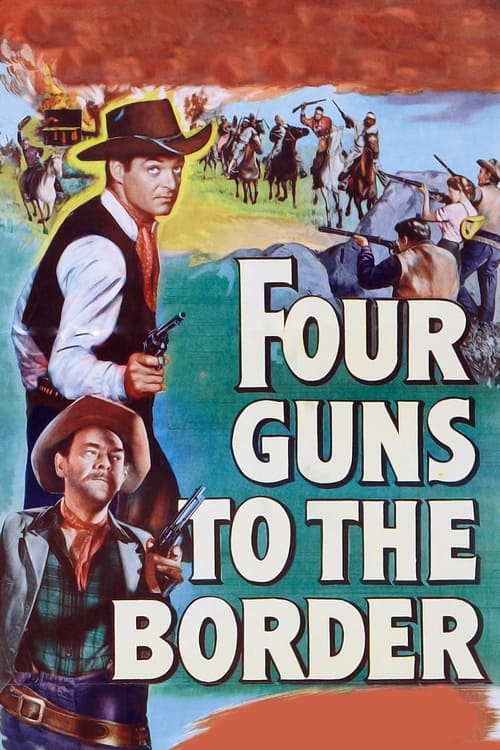
1954

1950
1941
No reviews yet. Be the first to share your thoughts on this movie!
Use the rating form above to leave a star rating and optional review.