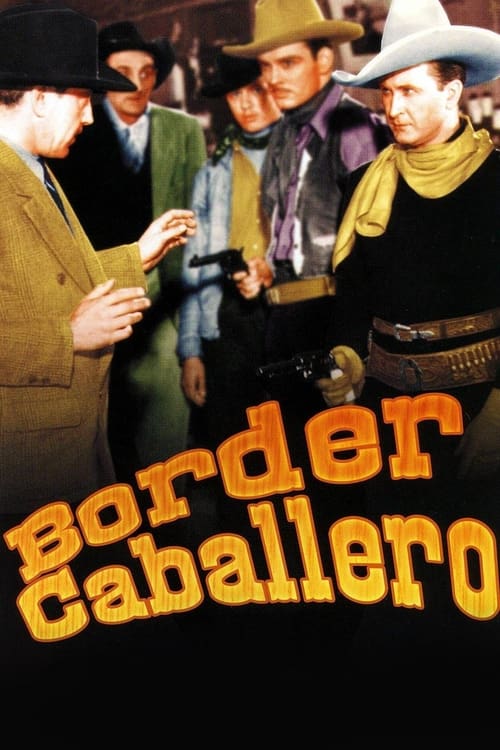
Border Caballero
1936
No user ratings available yet
Representation score: 0.6 out of 10
Representation Score
Minimal
1940
ApprovedDirector
Sam Newfield
Runtime
54 minutes
Average Rating
No ratings yetNew Showbiz Analysis
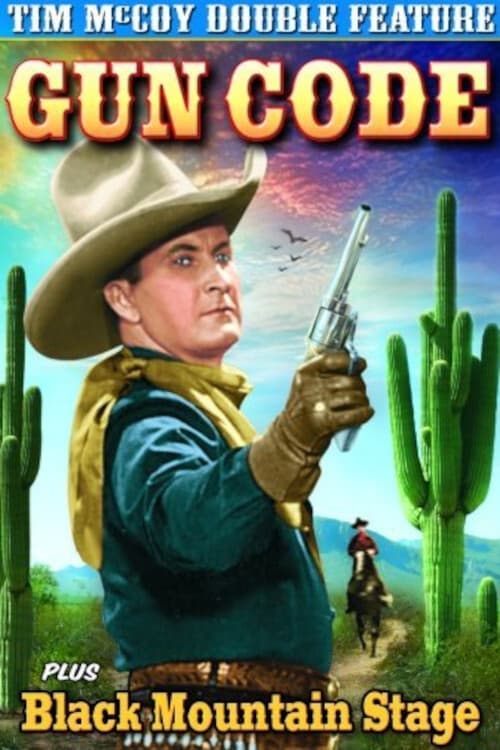
Gun Code is a functional, formulaic Western produced by PRC, a low-budget 'Poverty Row' studio. The film adheres to the established cinematic clichés of 1940, prioritizing rapid consumption over narrative subversion. Representation is limited by the era's constraints. The film reinforces traditional masculine leadership and standard racial hierarchies, offering little room for diverse perspectives or social critique. Ultimately, the work serves as a traditional genre piece that upholds the status quo of its time rather than challenging existing social structures.
Category Breakdown
The film does not include any LGBTQ+ characters or narratives. It follows the assumption that everyone is straight or cisgender.
The story focuses on a rugged male protagonist who acts as the main driver of justice. Female characters play supporting roles, motivating the plot rather than driving it themselves.
The film reflects the era's tendency towards homogeneous casting and a Eurocentric perspective. It lacks evidence of non-white or ethnic complexity.
The narrative highlights traditional Western values and the triumph of federal authority. It reinforces a clear moral binary between law and criminality.
There are no characters with visible or invisible disabilities. The film does not address neurodivergence or chronic illness.
Present on Screen
Limited or Absent
Official Synopsis
This low-budget western stars Tim McCoy as federal agent Tim Hammond, who follows a gang of big-city gangsters to the Wide Open Spaces. Don't be fooled by the opening credits: the "Peter Stewart" listed as director Gun Code was actually PRC workhorse Sam Newfield.
1936
1939
1950

1932
1936
1946
1947
1947
No reviews yet. Be the first to share your thoughts on this movie!
Use the rating form above to leave a star rating and optional review.