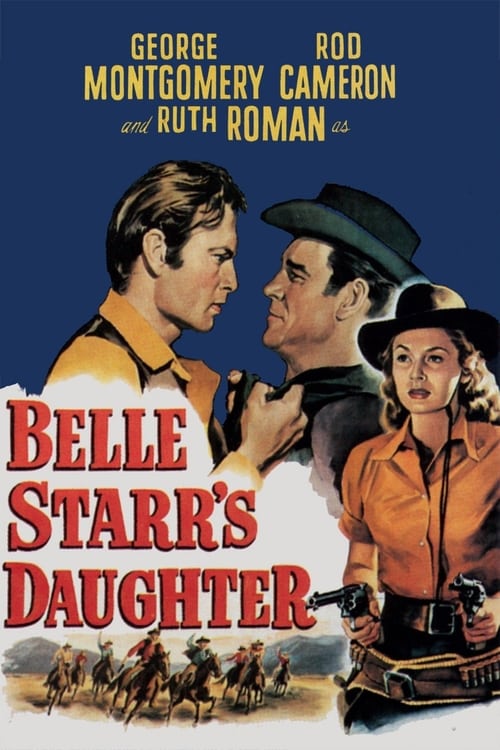
Belle Starr's Daughter
1948
No user ratings available yet
Representation score: 3.9 out of 10

Representation Score
Minimal
1952
NRDirector
Harry Keller
Runtime
72 minutes
Average Rating
No ratings yetNew Showbiz Analysis
Rose of Cimarron operates strictly within the established narrative architecture of the mid-century Western. It relies on standard genre clichés to facilitate a story of individual survival and frontier justice. The film reinforces conventional social hierarchies rather than disrupting them. While the female protagonist plays a significant role in driving the story, the structural framework remains centered on traditional power dynamics and settler-focused storytelling. Ultimately, the work offers minimal disruption to cultural norms. It lacks multi-layered complexity, focusing instead on the individualistic struggles common to 1950s Hollywood cinema.
Category Breakdown
The film does not include any identifiable LGBTQ+ characters or narratives. Romantic arcs follow traditional heterosexual structures typical of the 1950s.
Rose provides a central role in a male-dominated landscape. However, her role is often mediated through romantic rivalry and physical conflict with men.
The story uses the 'white girl raised by Indians' cliché to introduce non-white elements. Despite this, the cast remains predominantly white and focuses on the settler experience.
The narrative prioritizes frontier individualism and traditional Western morality. It reinforces the standard mythos of the American frontier rather than deconstructing its institutions.
There are no prominent depictions of visible or invisible disabilities that drive the narrative or provide character depth.
Present on Screen
Limited or Absent
Official Synopsis
A white girl raised by Indians sets out to find out who murdered her adoptive parents.
1948
1956
1955
1962
1929
1971
1953

1930
No reviews yet. Be the first to share your thoughts on this movie!
Use the rating form above to leave a star rating and optional review.