Red River Renegades
1946
No user ratings available yet
Diversity score: 1.9 out of 10
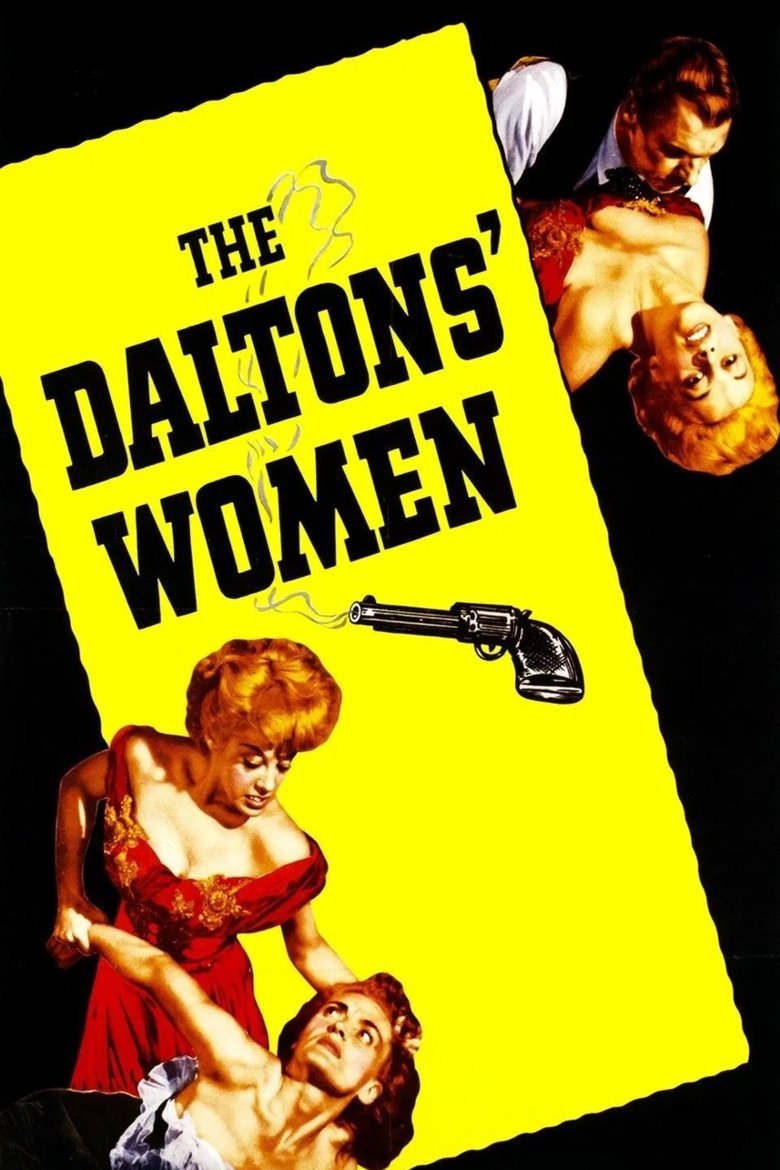
1950
PassedDirector
Thomas Carr
Runtime
70 minutes
Average Rating
No ratings yetSynopsis
The Dalton gang has moved west taking new identities and Marshals Lash and Fuzzy are after them. They receive help from Pinkerton agent Joan Talbot as they try to sort out who the bad guys really are.
Overall Score
Limited
Category Breakdown
LGBTQ+ Representation
The film lacks any evidence of non-heteronormative identities or same-sex intimacy. It adheres strictly to the heteronormative social standards typical of 1950s cinema.
Gender Representation
Joan Talbot provides a rare moment of professional agency as a Pinkerton agent. However, her role remains secondary to the male-driven central conflict and traditional hierarchies.
Racial & Ethnic Diversity
The film reflects the homogeneous racial norms of the mid-century American West. It likely centers on Anglo-Saxon protagonists without presenting a diverse or race-bent cast.
Religious & Cultural Diversity
The narrative reinforces established social orders and traditional institutions of justice. It focuses on the clear distinction between law and lawlessness rather than critiquing them.
Disability Representation
There is no documented evidence of characters with visible or invisible disabilities playing a central role in the story.
Strengths
Areas for Improvement
AI Analysis
The Daltons' Women is a standard mid-century Western that prioritizes genre conventions over social subversion. While it offers a slight departure from domestic female archetypes through its female Pinkerton agent, the film remains firmly rooted in the era's traditional social hierarchies. Representation is largely limited to the status quo. The film lacks LGBTQ+ identities and appears to follow the homogeneous racial patterns common to 1950s frontier stories. It functions as a linear morality tale that upholds established authority rather than challenging it.
1946

1953
1953
1950
1953
1942
1949
1962

1948
1950
1963
1941
No reviews yet. Be the first to share your thoughts on this movie!
Use the rating form above to leave a star rating and optional review.