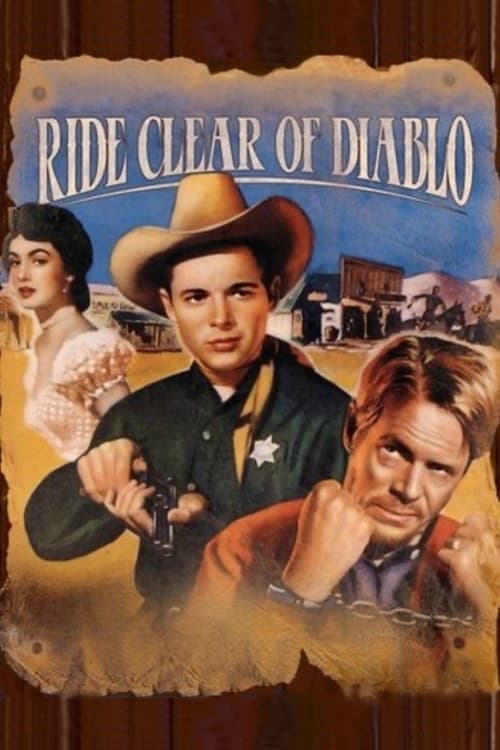
Ride Clear of Diablo
1954
No user ratings available yet
Representation score: 0.5 out of 10
Representation Score
Minimal
1950
ApprovedDirector
Thomas Carr
Runtime
60 minutes
Average Rating
No ratings yetNew Showbiz Analysis
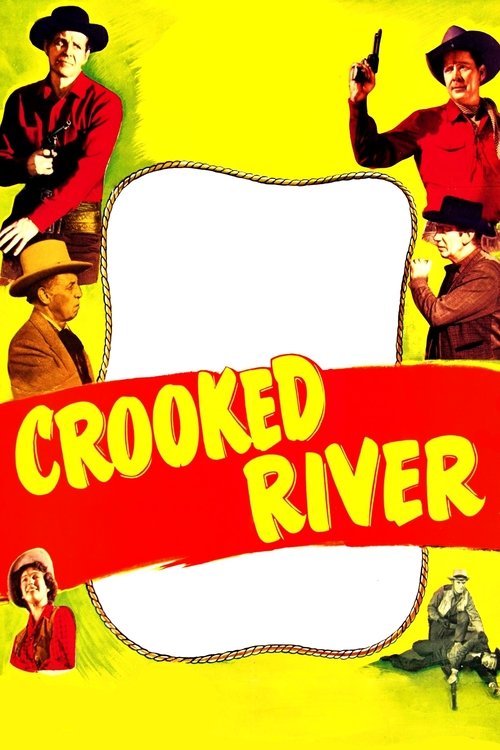
Crooked River is a typical mid-century B-Western that adheres strictly to the social norms of 1950s genre cinema. The story revolves around a binary conflict between law enforcement and outlaw archetypes, centered on Ellison's quest to find his parents' killer. The film reinforces established social orders. It lacks the complexity needed to challenge traditional norms regarding gender, race, or institutional authority, instead upholding the period-typical status quo. Ultimately, the production offers no layered complexity. It serves as a historical baseline for the traditional Western, relying on male-dominated ability to act and racial homogeneity to drive its narrative.
Category Breakdown
The film does not feature any LGBTQ+ characters. It operates within a framework that assumes everyone is straight or cisgender, with no hints of non-straight identities.
Male characters dominate the film, holding most of the ability to act and strategic roles. Women are not given positions of intellectual or strategic leadership, reinforcing traditional gender hierarchies.
The cast is mostly white, with few characters representing diverse racial backgrounds. The film presents white characters as the norm for both heroes and villains, maintaining a homogeneous racial landscape.
The story centers on traditional Western values and the moral conflict between law and lawlessness. It relies on standard moral binaries without offering any cultural critique.
The film does not depict any visible or invisible disabilities. Characters are portrayed as fully able-bodied archetypes throughout the story.
Present on Screen
Limited or Absent
Official Synopsis
Ellison is the star searching for the killer of his parents while Hayden's a not-too-bad bandit leader.
1954
1956
1948
1967
1950
1940
1935

1953
No reviews yet. Be the first to share your thoughts on this movie!
Use the rating form above to leave a star rating and optional review.