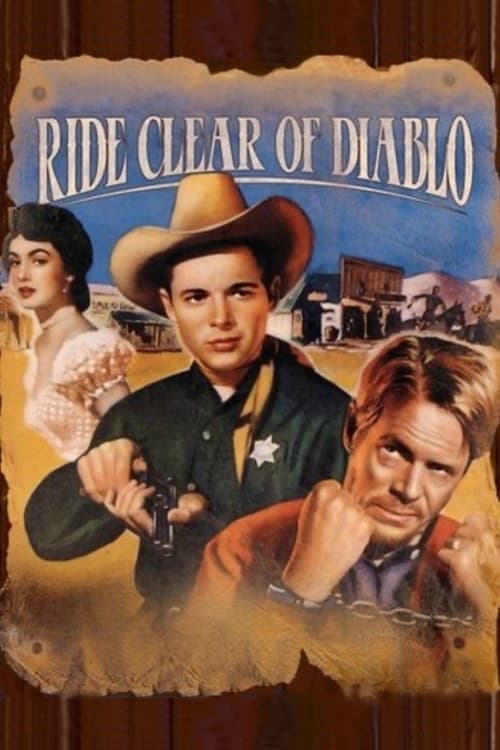
Ride Clear of Diablo
1954
No user ratings available yet
Representation score: 0.5 out of 10
Representation Score
Limited
1950
NRDirector
Louis King
Runtime
81 minutes
Average Rating
No ratings yetNew Showbiz Analysis
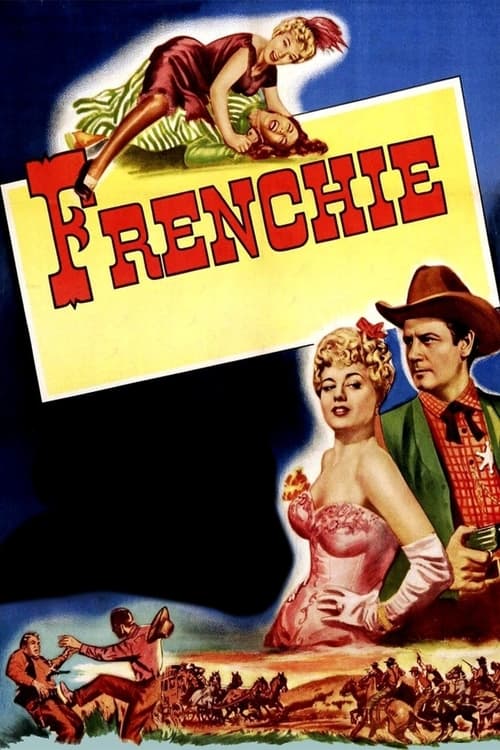
Frenchie (1950) is a traditional genre film that highlights its strength through the central female protagonist. By positioning a woman as the main investigator and seeker of justice, the film challenges the passive 'damsel in distress' cliché of the era. However, the film remains anchored in the social and racial hierarchies of mid-century Western cinema. Its narrative structure relies on established studio formulas and conventional clichés rather than attempting to subvert them. While Frenchie's active role is progressive for the time, the overall scope of the film lacks diversity in racial, cultural, and LGBTQ+ representation.
Category Breakdown
The film does not include any LGBTQ+ characters or stories related to their experiences.
Frenchie Fontaine stands out as a strong female lead who drives the plot forward. She plays a significant role in the story, taking control and acting on her own terms.
The film focuses on a traditional Western setting, which likely emphasizes Anglo-Saxon perspectives and follows the era's standard casting practices.
The storyline follows a conventional path of individualistic justice and personal retribution. It does not explore broader ethical frameworks or cultural nuances.
The film does not feature any characters dealing with physical or neurodivergent disabilities.
Present on Screen
Limited or Absent
Official Synopsis
Frenchie Fontaine sells her successful business in New Orleans to come West. Her reason? Find the men who killed her father, Frank Dawson. But she only knows one of the two who did and she's determined to find out the other.
1954
1956
1955
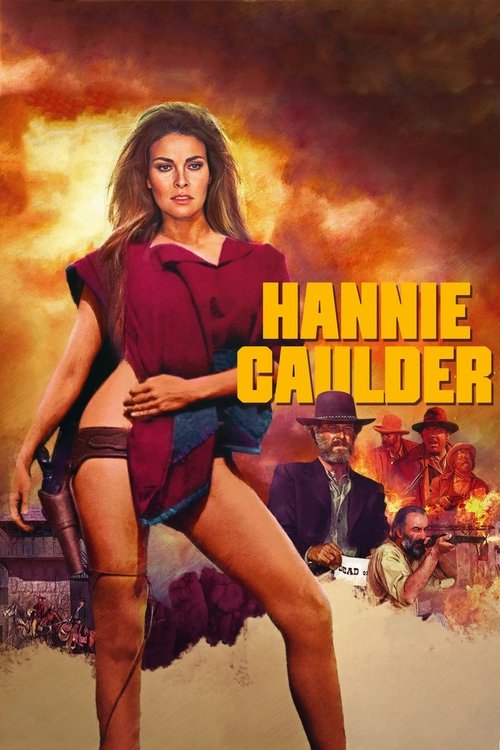
1971
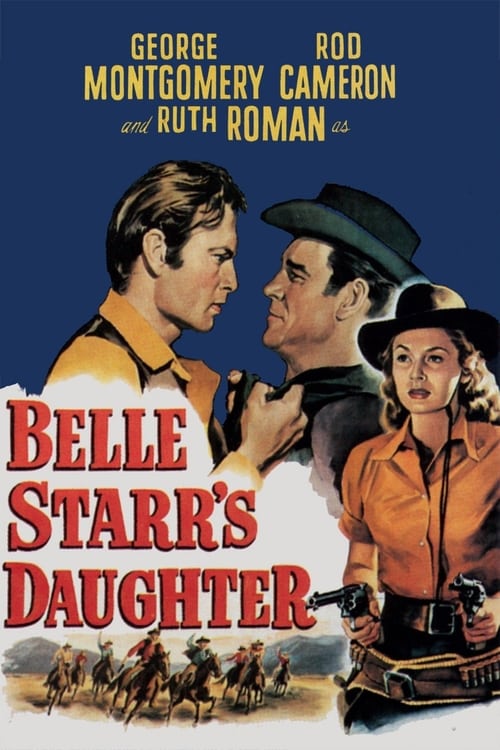
1948
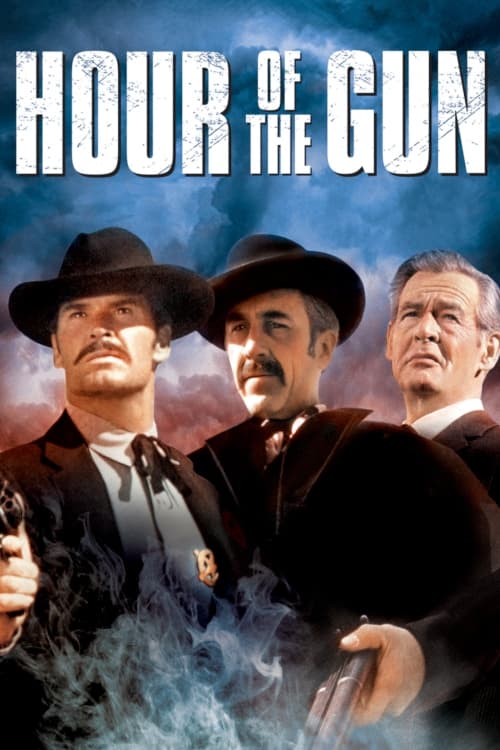
1967
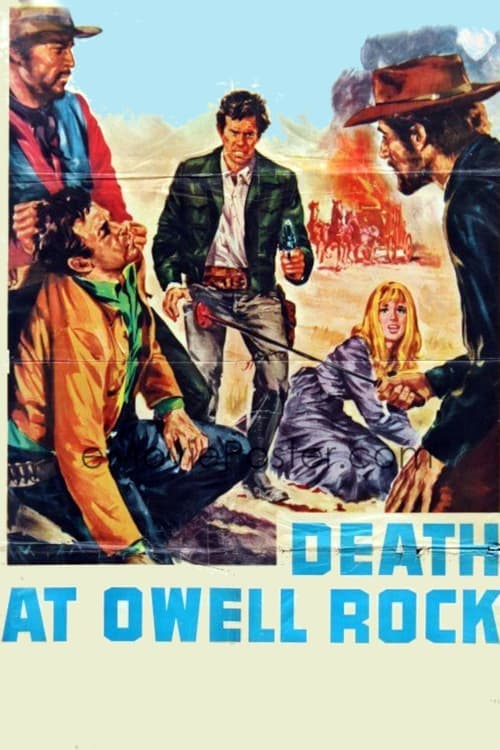
1967
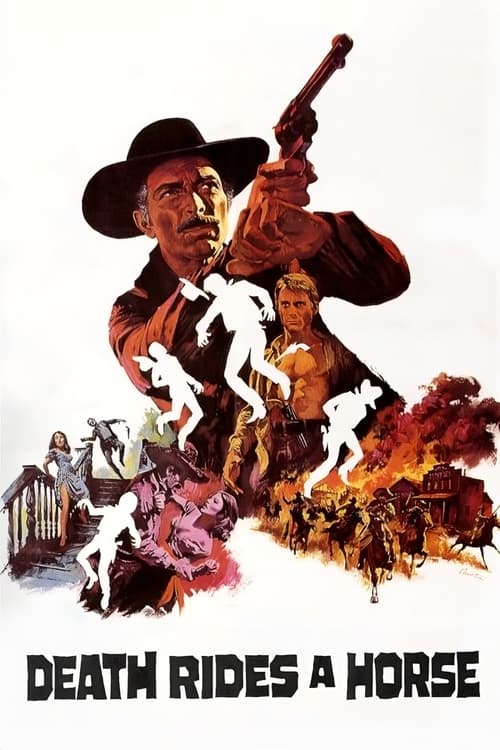
1967
No reviews yet. Be the first to share your thoughts on this movie!
Use the rating form above to leave a star rating and optional review.