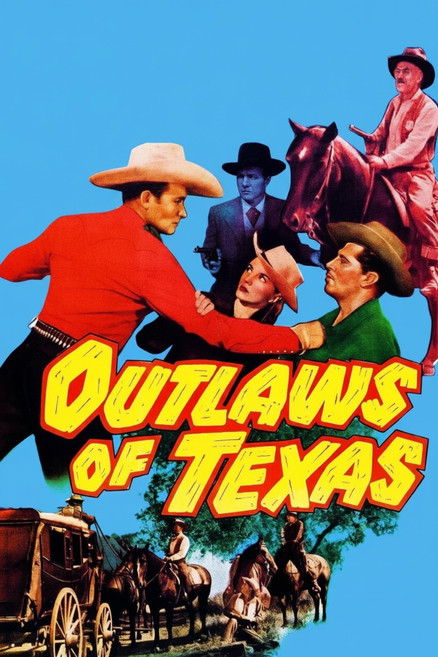
Outlaws of Texas
1950
No user ratings available yet
Diversity score: 1.8 out of 10

1953
ApprovedDirector
Thomas Carr
Runtime
68 minutes
Average Rating
No ratings yetSynopsis
Ed Ryan is a Texas ranger who goes undercover to trap a criminal gang headed by Luke Andrews. Posing as the wanted killer Robert Larkin, Ed is able to move freely amongst the town riffraff. Marshal Bullock learns that the brains behind the gang of Luke Andrews is a group of supposed respectable businessmen.
Overall Score
Minimal
Category Breakdown
LGBTQ+ Representation
The film follows a traditional heteronormative framework. There is no presence of non-cisnormative identities or same-sex intimacy.
Gender Representation
Agency is concentrated entirely within the male protagonist. Female characters function as secondary figures without narrative autonomy.
Racial & Ethnic Diversity
The story focuses on a conflict between white lawmen and white criminals. It offers no visible representation of non-Anglo-Saxon populations.
Religious & Cultural Diversity
The narrative promotes a conventional morality centered on Western institutions. It reinforces the necessity of traditional authority and social order.
Disability Representation
The production does not feature characters with visible or invisible disabilities. The focus remains on physical prowess and genre tropes.
Strengths
Areas for Improvement
AI Analysis
Star of Texas is a quintessential mid-century B-Western that prioritizes genre tropes and clear-cut moral binaries. The narrative structure reinforces the social hierarchies and dominant cultural norms of the 1950s. Representation is minimal, as the film centers on a white male protagonist navigating a localized conflict. It lacks intentionality regarding intersectional identities or social subversion. Ultimately, the film functions as a defense of established social order, adhering strictly to the era's standard cinematic conventions.
1950

1953

1950
1946
1951
1934

1939
1942
1949
1932
1947
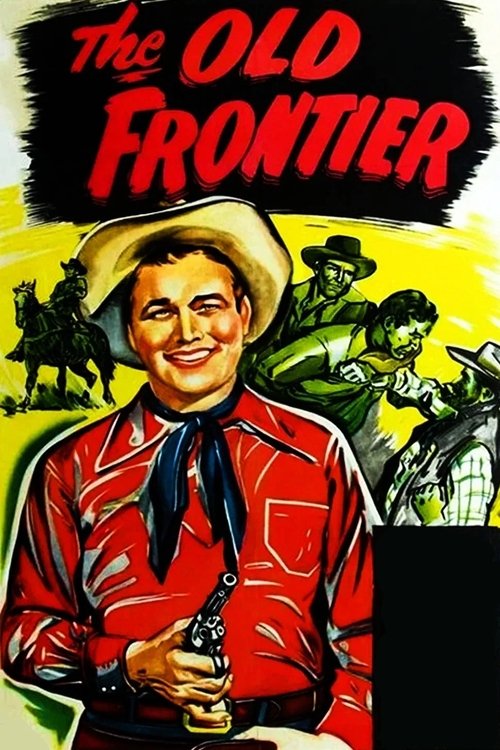
1950
No reviews yet. Be the first to share your thoughts on this movie!
Use the rating form above to leave a star rating and optional review.