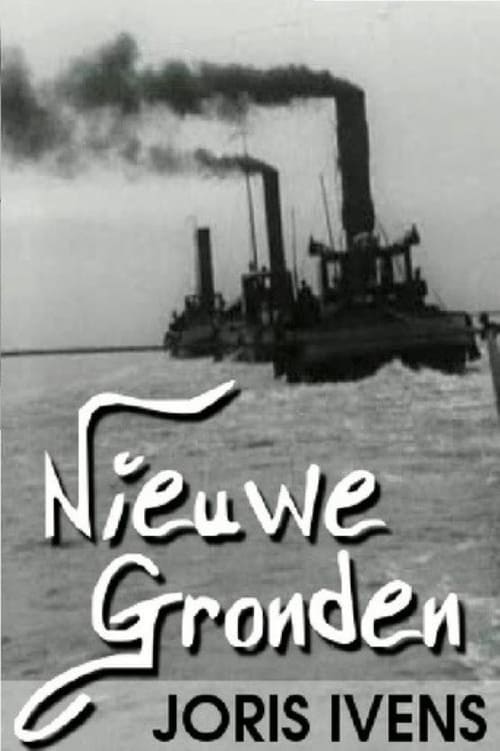
New Earth
1933
No user ratings available yet
Representation score: 1.5 out of 10
Representation Score
Limited
1940
Director
Joris Ivens
Runtime
38 minutes
Average Rating
No ratings yetNew Showbiz Analysis
Joris Ivens uses social realism to critique individualist capitalist farming models. The film presents a powerful ideological subversion of Western economic hierarchies by celebrating collective ability to act and state-driven mechanization. While the work excels in its cultural and political messaging, it lacks representation in several demographic categories. The focus remains narrow, prioritizing the industrial transition over individual identity or diverse social groups. Ultimately, the film is a specialized piece of political cinema. It trades traditional demographic breadth for a deep, focused exploration of class struggle and the evolution of the agrarian order.
Category Breakdown
The film does not depict LGBTQ+ identities or non-straight relationships. The focus is on the socio-economic aspects and collective labor.
Women are shown as active participants in the mechanization of the state, challenging traditional roles. Men are often depicted as operators of heavy machinery.
The cast reflects the ethnic diversity of the Soviet peasantry, avoiding whitewashing. The narrative emphasizes a unified working-class identity.
The film celebrates state-managed collectives and promotes a secular worldview. It downplays religious institutions in favor of industrial progress and anti-capitalist ideas.
There is no depiction of characters with visible or invisible disabilities. The narrative does not include disability issues.
Present on Screen
Limited or Absent
Official Synopsis
A documentary showing the struggle to bring electricity to rural areas of the United States.
1933

1929
1932

1931

1947

1938

1959

1973
No reviews yet. Be the first to share your thoughts on this movie!
Use the rating form above to leave a star rating and optional review.