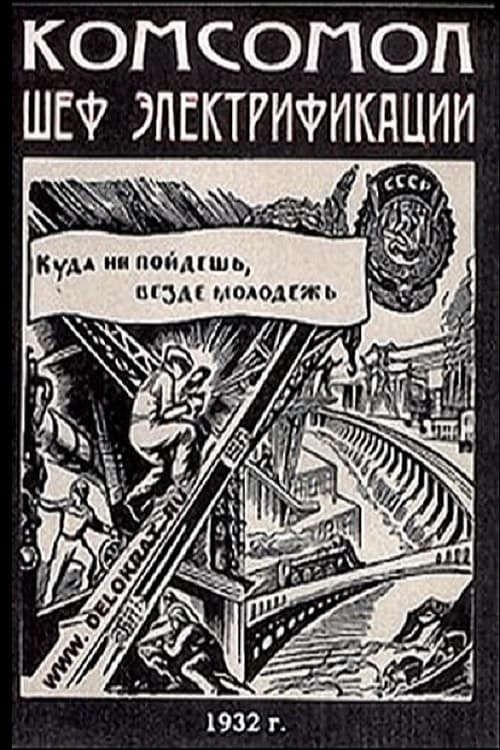
The Komsomol - Chief of Electrification
1932
No user ratings available yet
Representation score: 4.8 out of 10

Representation Score
Good
1932
Director
Joris Ivens
Runtime
50 minutes
Average Rating
No ratings yetNew Showbiz Analysis
Song of Heroes is a compelling example of ideological storytelling that effectively showcases cultural representation by promoting anti-capitalist and collective social structures. It successfully depicts a diverse workforce united by the state's industrial goals. However, the film is constrained by the historical context of 1932. It lacks representation for LGBTQ+ identities and disabilities, focusing instead on a vision of physical perfection and industrial utility that sidelines those outside the able-bodied norm. While gendered portrayals highlight women entering the workforce, they often serve as symbols of the collective rather than individuals with unique ability to act.
Category Breakdown
The film does not include any LGBTQ+ characters or stories that explore non-straight relationships. Queer identity is not expressed within the era's cinematic language focused on collective industrial labor.
Women are shown as symbols of collective strength within the industrial sector. Though they break free from domestic roles, their individual roles often take a backseat to the state's industrial hierarchy.
The documentary portrays a diverse workforce united by labor, emphasizing a centralized Soviet identity over Western ethnic dominance. Workers are depicted as universal figures.
The film highlights anti-capitalist and pro-communist ideals, emphasizing state-led industrialization. It focuses on collective progress and rejects traditional religious or individualist morality.
Physical labor is glorified, presenting workers as heroic figures. There is no indication of neurodivergence or disability, maintaining an image of physical perfection.
Present on Screen
Limited or Absent
Official Synopsis
The building of blast furnaces Magnitogorsk and the Kubas Basin by Komsomol, the Communist Union of youth, as part of Stalin’s first five-year plan.
1932

1935
1929
1930
1931
1926

1922

1935
No reviews yet. Be the first to share your thoughts on this movie!
Use the rating form above to leave a star rating and optional review.