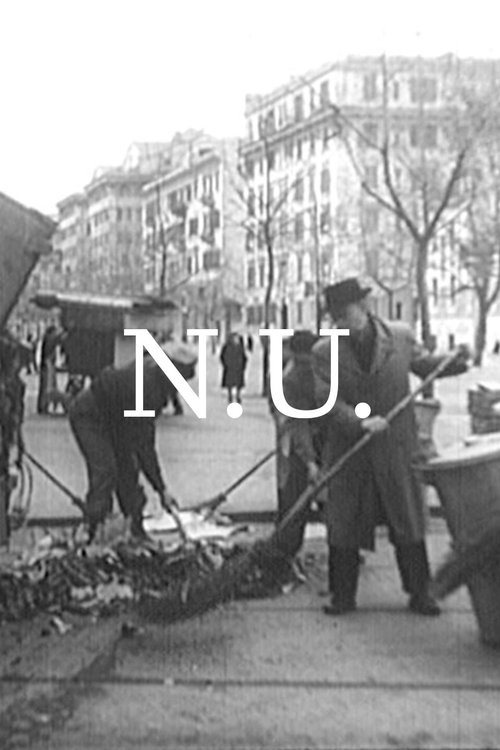
N.U.
1948
No user ratings available yet
Representation score: 4.3 out of 10
Representation Score
Limited
1947
Director
Michelangelo Antonioni
Runtime
11 minutes
Average Rating
No ratings yetNew Showbiz Analysis
Antonioni’s documentary serves as a potent piece of social commentary rather than a study in modern demographic diversity. It succeeds by deconstructing traditional authority figures and examining the systemic oppression of the lower socioeconomic class. While the film lacks racial and LGBTQ+ diversity, it compensates through a sophisticated exploration of class struggle. The narrative prioritizes material reality and the precariousness of the human condition over idealized social structures. Ultimately, the work is defined by its focus on gendered power dynamics and the tension between religious institutions and economic survival.
Category Breakdown
The film focuses on the heterosexual social realities of 1940s rural Italy and does not include any queer subtext or non-cisgender identities.
It highlights how women navigate survival and exploitation within a patriarchal landowner class, disrupting traditional hierarchies and emphasizing female experiences.
The cast is ethnically homogeneous, reflecting the demographic realities of post-WWII Northern Italy. This lack of diversity aligns with the film's commitment to Neorealist authenticity.
The film critiques class hierarchy and capitalism, presenting the Catholic Church as a social component in tension with the material suffering of the peasantry.
There are no prominent depictions of visible or invisible disabilities used as central character studies or plot devices.
Present on Screen
Limited or Absent
Official Synopsis
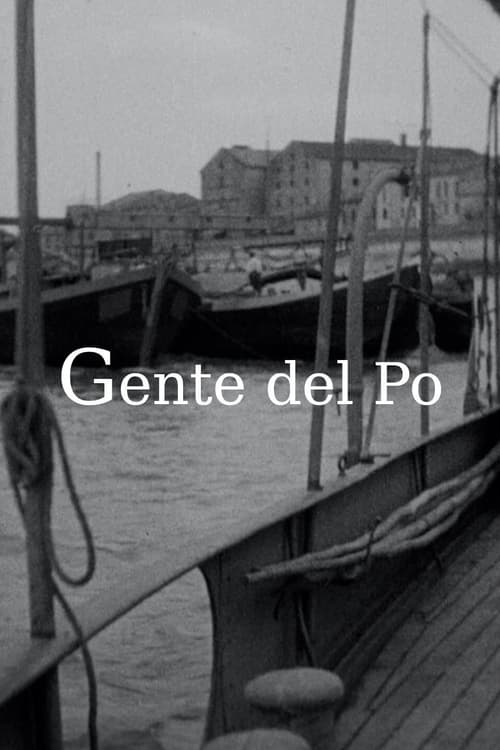
A documentary short detailing the life of Italians living on the Po River in the 1940s.
1948

1927
1949

1929
1948

1948

1955
1947
No reviews yet. Be the first to share your thoughts on this movie!
Use the rating form above to leave a star rating and optional review.