
Movement Studies in Paris
1928
No user ratings available yet
Representation score: 2.1 out of 10
Representation Score
Limited
1928
Director
Joris Ivens
Runtime
16 minutes
Average Rating
No ratings yetNew Showbiz Analysis
Joris Ivens' documentary celebrates the collective machine, using rhythmic montage to highlight Rotterdam's industrial infrastructure as a central protagonist. The film prioritizes ideological and systemic themes over individual demographic representation, focusing on the mechanics of labor and structural integration. While the work achieves high marks for its collectivist and anti-capitalist cultural framework, it lacks multi-layered identity markers. The absence of LGBTQ+, racial, and disability representation results in a lower aggregate score despite its strong socio-political narrative. Ultimately, the film serves as a specialized study of industrialization. It succeeds in deconstructing individualist social structures but fails to provide a diverse tapestry of human identities.
Category Breakdown
The film does not depict any LGBTQ+ identities or queer narratives. The focus is solely on the mechanical and industrial aspects.
Women are shown as functional components of the industrial machine rather than domestic figures, challenging typical era expectations. However, characters are depicted as anonymous units of labor rather than individuals with distinct roles.
The cast is predominantly homogeneous, reflecting the specific ethnic demographics of the era and location. There is no evidence of intentional color-blind casting or a diverse ethnic mix.
The narrative celebrates the proletariat and systemic progress over individualist Western capitalism. It emphasizes the utility of the state and workers over religious or traditional family values.
There are no visible or invisible disabilities portrayed within the film. The focus is exclusively on the physical vigor required for industrial operations.
Present on Screen
Limited or Absent
Official Synopsis
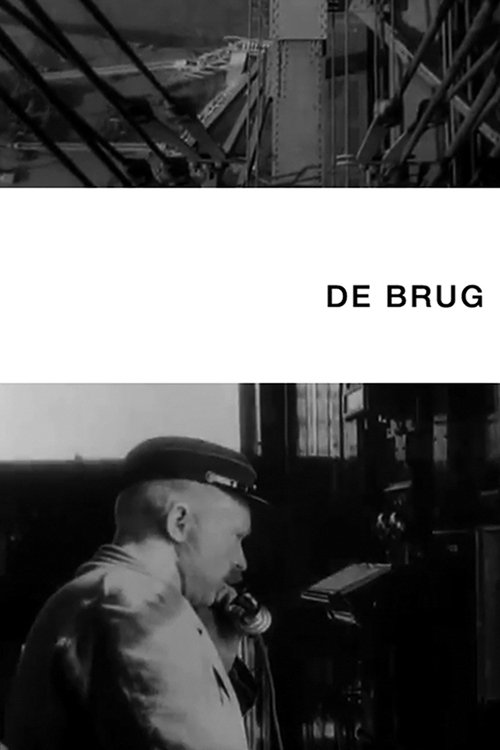
The Hefbrug may not be a remarkably beautiful bridge, but through a mix of close-ups, long shots, bird’s eye views and low angles, Joris Ivens conveys a sense of the bridge’s structure, its intricate mechanisms and ways of operating, the way it fits into the overall transport infrastructure and therefore the immense importance of this bridge for the whole city of Rotterdam.
1928

1927
1921
1929
1928
2013
1950
1957
No reviews yet. Be the first to share your thoughts on this movie!
Use the rating form above to leave a star rating and optional review.