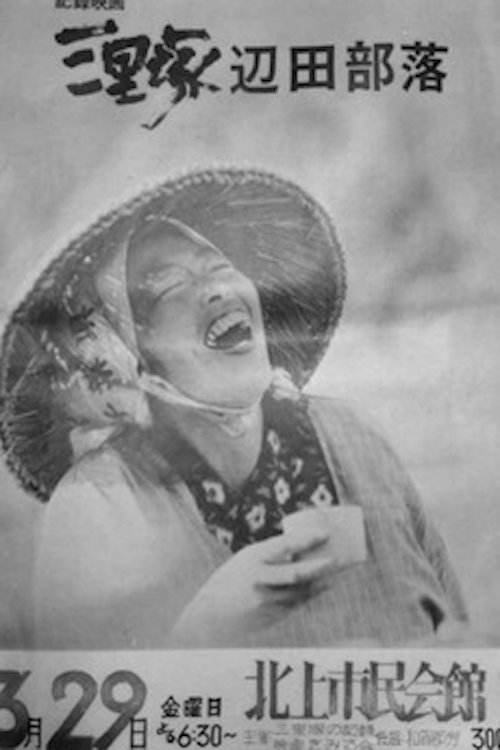
Sanrizuka: Heta Village
1973
No user ratings available yet
Representation score: 3.4 out of 10
Representation Score
Limited
1968
Director
Shinsuke Ogawa
Runtime
108 minutes
Average Rating
No ratings yetNew Showbiz Analysis
Shinsuke Ogawa’s documentary is a powerful piece of political cinema that centers class struggle and land rights. It challenges official history by highlighting the voices of rural protesters against systemic oppression. Though the film lacks representation of LGBTQ+ and disability identities, it offers significant progressive value. It frames civil disobedience as a legitimate defense of local sovereignty against global economic interests. The work effectively dismantles authority but focuses narrowly on a specific Japanese agrarian context, limiting its ethnic and identity-based diversity.
Category Breakdown
The film focuses on agrarian struggles and socio-political conflicts. There are no LGBTQ+ characters or narratives in the footage.
Women play key roles in organizing communities and supporting the movement. Although male farmers often lead physical confrontations, the film highlights women's crucial contributions to sustaining the community.
The cast is ethnically uniform due to the rural setting. However, the film critiques post-colonial power structures and the impact of the US-Japan security treaty.
The documentary critically examines Western-aligned institutions. It portrays the state and capitalist airport construction as oppressive forces threatening the local peasantry.
There are no specific depictions of physical or neurodivergent disabilities that serve as central narrative drivers in this work.
Present on Screen
Limited or Absent
Official Synopsis
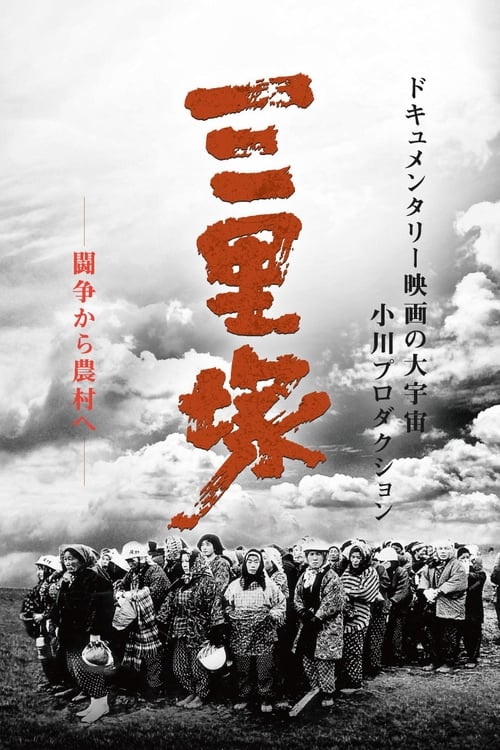
In 1968, Ogawa decided to form Ogawa Productions and locate it at the newly announced construction site of Narita International Airport in a district called Sanrizuka. Ogawa chose to locate his company in the most radical of the villages, Heta. Some farmers immediately sold their land; others vehemently protested and drew the support of social movements across the country. Together they clashed with riot police sent in to protect surveyors, who were plotting out the airport. Summer in Sanrizuka is a messy film – its chaos communicating the passions and actions on the ground.
1973

1977
1982

1961
1974

2011
1969

2002
No reviews yet. Be the first to share your thoughts on this movie!
Use the rating form above to leave a star rating and optional review.