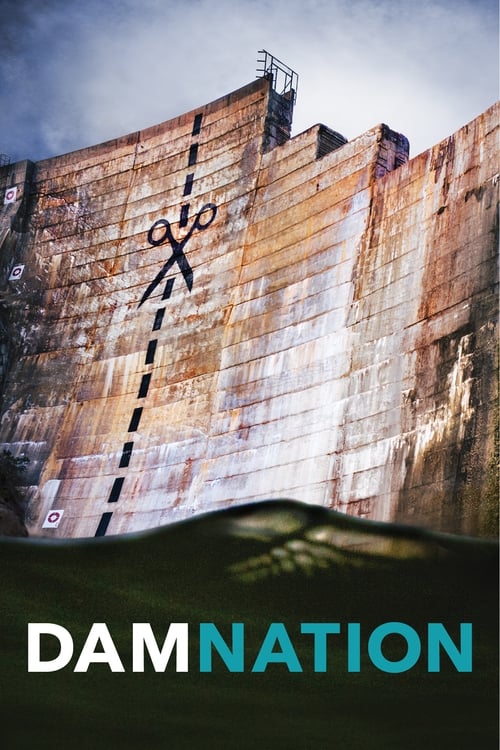
DamNation
2014
No user ratings available yet
Representation score: 3.8 out of 10

Representation Score
Limited
2014
Director
John Gussman, Jessica Plumb
Runtime
69 minutes
Average Rating
No ratings yetNew Showbiz Analysis
Return of the River functions as an observational study of environmental restoration. It moves away from traditional character-driven stories to focus on systemic and environmental issues. By documenting the removal of a dam, the film critiques the dominance of industrial capitalism over natural ecosystems. The narrative structure challenges the conventional idea of progress through industry. Instead, it favors a model of ecological ability to act and community-centric environmentalism. This approach challenges traditional hierarchies in favor of self-sustaining natural systems. While the film engages with themes of local ability to act and decentralized interests, specific demographic data for interviewees is not provided. The score reflects a work that prioritizes ecological and communal health over industrial utility.
Category Breakdown
The documentary focuses on ecological restoration and dam removal. There are no LGBTQ+ character arcs or discussions about gender identity.
The film shifts away from patriarchal narratives of conquering nature. However, the gender distribution of experts and community leaders remains unclear.
The narrative highlights the ability to act of local populations against industrial authority. This often involves Indigenous land rights and ancestral waterways.
The film prioritizes ecological sustainability over industrial expansion. It promotes a shift toward environmentalism by deconstructing human-centric control over the landscape.
There is no documented evidence regarding the inclusion of neurodivergent individuals or those with physical disabilities within this ecological study.
Present on Screen
Limited or Absent
Official Synopsis
A documentary on the world's largest dam removal project and its effects on the river ecosystem and surrounding communities.
2014
2013

2023
2015

2021

2019
2013
2016
No reviews yet. Be the first to share your thoughts on this movie!
Use the rating form above to leave a star rating and optional review.