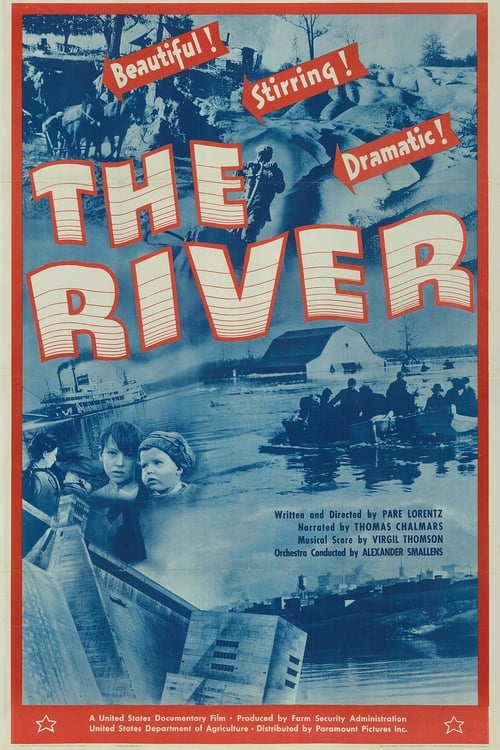
The River
1938
No user ratings available yet
Representation score: 2.6 out of 10
Representation Score
Limited
1936
UnratedDirector
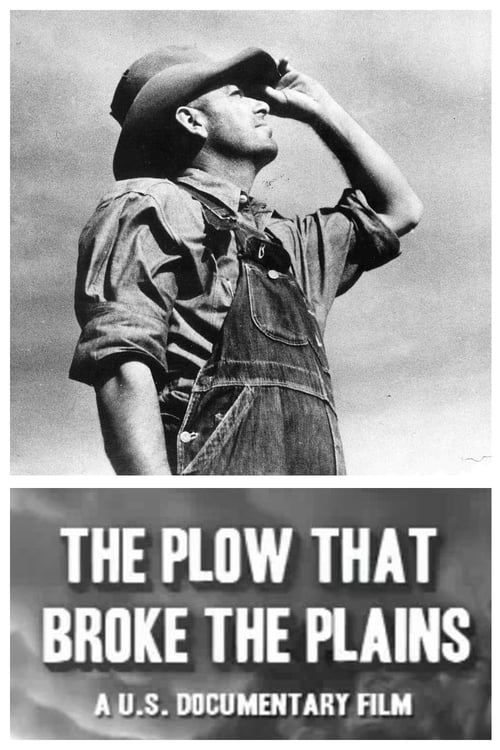
Pare Lorentz
Runtime
25 minutes
Average Rating
No ratings yetNew Showbiz Analysis
The film prioritizes environmental and systemic critiques over individual demographic representation. While it lacks traditional social identities, it excels in its cultural critique of industrial expansionism. However, its focus on landscape and machinery leads to a near-total absence of human-centric diversity. It fails to represent specific racial, gendered, or LGBTQ+ identities.
Category Breakdown
The film does not depict any sexual orientation or gender identity. Since it is a non-narrative documentary focused on ecological processes, there are no LGBTQ+ characters or themes.
The film does not explore gender dynamics through its characters. Instead, it focuses on the relationship between humans and the environment, lacking any roles that highlight gender or ability to act.
The visual elements of the film focus on the Great Plains landscape and agricultural machinery. It does not emphasize diverse racial identities or multi-layered experiences.
The film critiques early 20th-century capitalist agricultural practices. It portrays intensive, unregulated industrial farming as a systemic failure rather than a success.
The film does not depict any specific instances of neurodivergence or physical disabilities. Any references to disability are metaphorical, applied to the ecological health of the plains.
Present on Screen
Limited or Absent
Official Synopsis
A documentary about what happened to the Great Plains of the United States and Canada when uncontrolled farming destroyed the soil and led to the Dust Bowl.
1938
2010
1933
2019
1940

2009
1970
2019
No reviews yet. Be the first to share your thoughts on this movie!
Use the rating form above to leave a star rating and optional review.