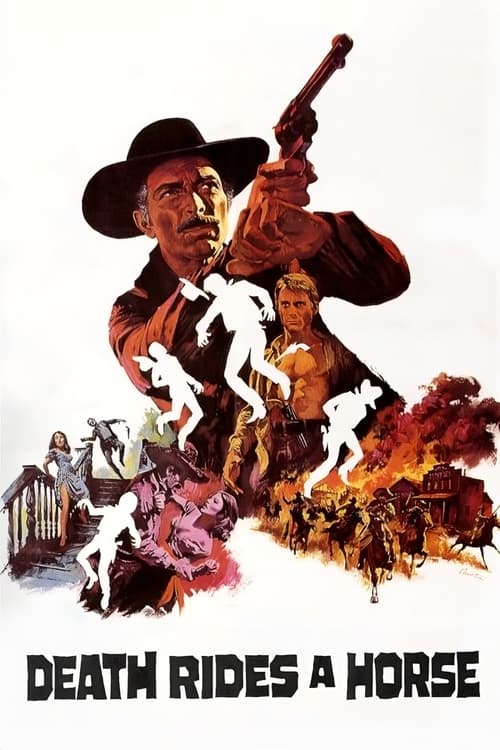
Death Rides a Horse
1967
No user ratings available yet
Diversity score: 1.5 out of 10
1968
Director
Giulio Petroni
Runtime
97 minutes
Average Rating
No ratings yetSynopsis
The bandit Pratt, looking for Tim, who is responsible for the death of his two sons, attacks a caravan killing all the passengers. Harry, the vagabond, after having robbed the dead, casually meets Tim and they become friends. Running away together from Pratt, they reach Harry's farm, but their hiding place is soon discovered.
Overall Score
Limited
Category Breakdown
LGBTQ+ Representation
The film focuses on a male-centric conflict between a bandit, a vagabond, and a vengeful father. There is no indication of non-heteronormative identities or narratives that critique heteronormativity.
Gender Representation
The narrative is driven entirely by male characters like Pratt, Tim, and Harry. This lack of female agency reinforces traditional masculine leadership and conflict-driven storytelling common to the era.
Racial & Ethnic Diversity
The setting focuses on individual archetypes without specific ethnic details. The score reflects a baseline expectation of Eurocentric casting typical of the 1960s Spaghetti Western genre.
Religious & Cultural Diversity
The film explores moral ambiguity through Harry, a vagabond who robs the dead. It follows genre tendencies toward nihilism and situational ethics rather than explicit cultural critiques.
Disability Representation
There is no mention of characters with visible or invisible disabilities within the narrative.
Strengths
Areas for Improvement
AI Analysis
This Spaghetti Western functions as a conventional genre exercise centered on vengeance and survival. The plot follows a revenge-driven pursuit and a chance encounter between two men, prioritizing individualistic conflict over social complexity. The film adheres to the established tropes of the 1960s, focusing on masculine archetypes. It lacks a deliberate attempt to deconstruct social hierarchies or include intersectional identities, operating instead within standard period dynamics. While the film explores moral ambiguity through its characters, it remains a character-driven piece about personal vendettas. It does not offer significant representation of marginalized groups or diverse social structures.
1967
1969
1969
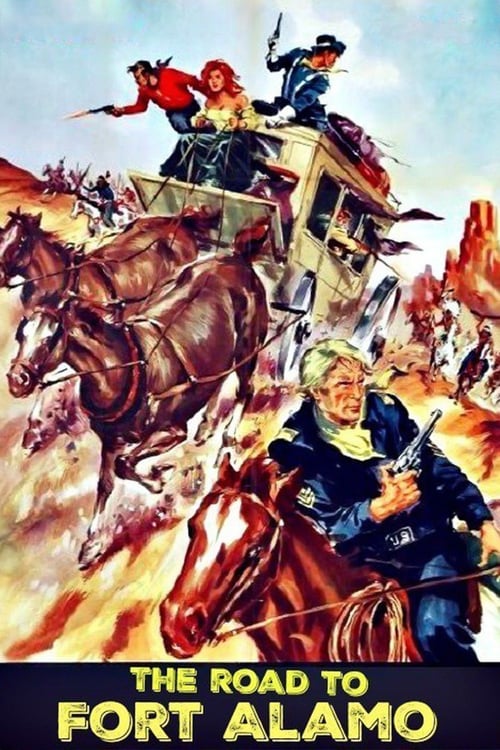
1964
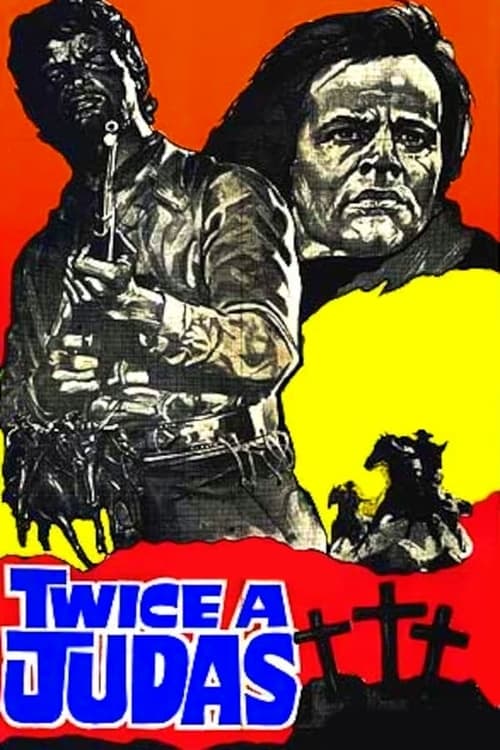
1968

1966
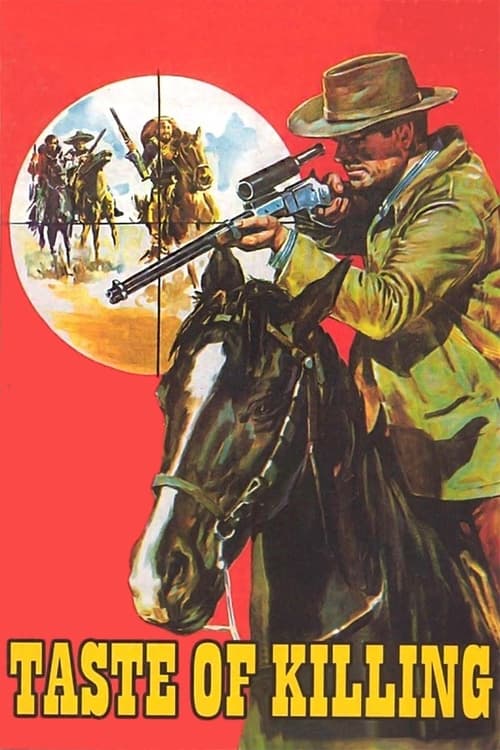
1966
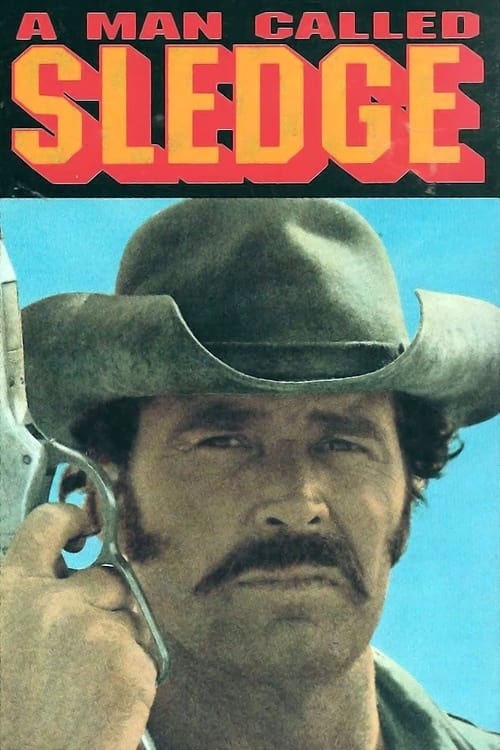
1970
1937
1966
1971
1967
No reviews yet. Be the first to share your thoughts on this movie!
Use the rating form above to leave a star rating and optional review.