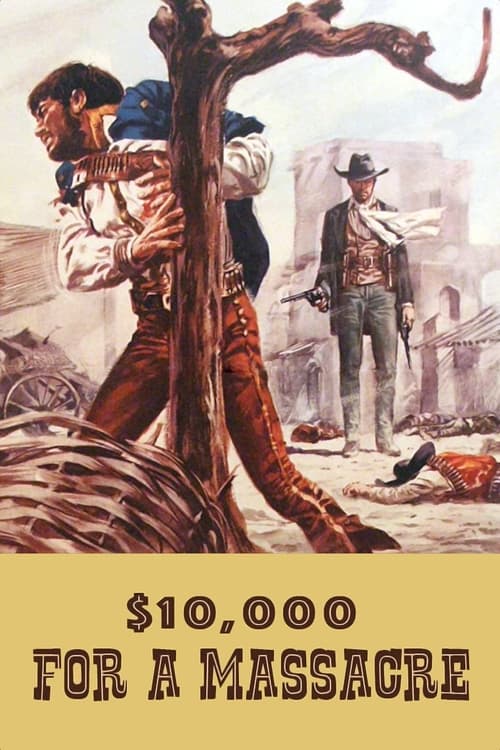
$10,000 for a Massacre
1967
No user ratings available yet
Representation score: 0.8 out of 10
Representation Score
Limited
1966
Director
Tonino Valerii
Runtime
87 minutes
Average Rating
No ratings yetNew Showbiz Analysis
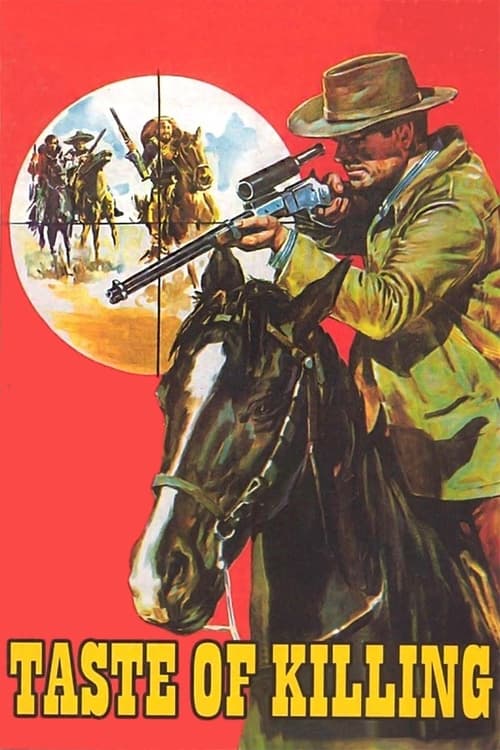
Taste of Killing is a classic Spaghetti Western that prioritizes genre clichés over social subversion. The narrative is driven by a cynical protagonist, Lanky Fellow, whose motivations stem from personal vengeance and opportunistic survival rather than communal or systemic engagement. While the film deviates from classical Western moralism by presenting a morally ambiguous protagonist, it remains firmly within a traditional masculine framework. The focus on individualistic conflict and male-driven archetypes limits the scope of its social representation. Ultimately, the film operates as a standard genre piece. It lacks an intentional structure designed to challenge social hierarchies or provide multi-layered perspectives, remaining tied to the conventional dynamics of its era.
Category Breakdown
The film follows traditional 1960s social structures and does not include any LGBTQ+ characters or narratives focused on non-cisgender identities.
The story centers around a male protagonist and a male antagonist, with no prominent female characters who play a significant role in driving the plot.
The narrative follows typical Western archetypes centered on Eurocentric power dynamics, with no indication of a non-white majority in the cast.
The film explores moral relativism through individual cynicism, emphasizing personal survival and situational ethics over critiques of systemic religious or social institutions.
There is no information about the portrayal of physical or neurodivergent disabilities in the provided material.
Present on Screen
Limited or Absent
Official Synopsis
Lanky Fellow has a typical cynical SW like way to earn his living. He observes valuable transports of money or gold, but when they are robbed he doesn't intervene, but follows the robbers and then brings the loot back to collect the insurance. When his "job" brings him in conflict with the notorious outlaw Gus Kenneback, he has personal reasons to protect the money as Kenneback was once responsible for the death of Lanky's brother.
1967
1967

1968
1969
1966
1967
1968
1971
No reviews yet. Be the first to share your thoughts on this movie!
Use the rating form above to leave a star rating and optional review.