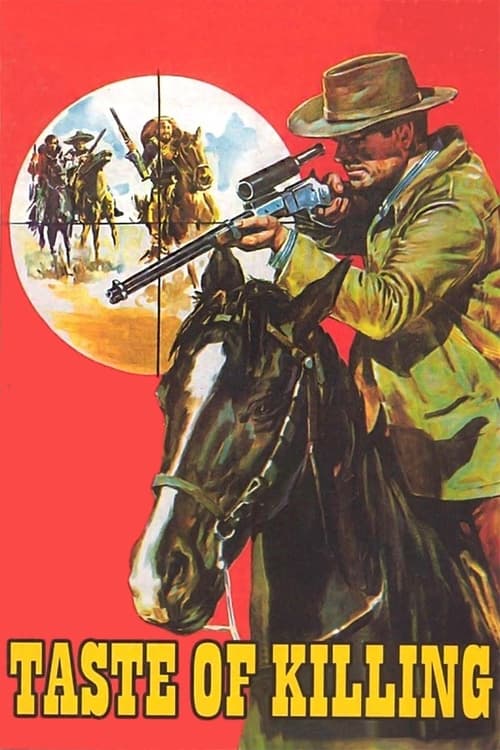
Taste of Killing
1966
No user ratings available yet
Diversity score: 3.0 out of 10
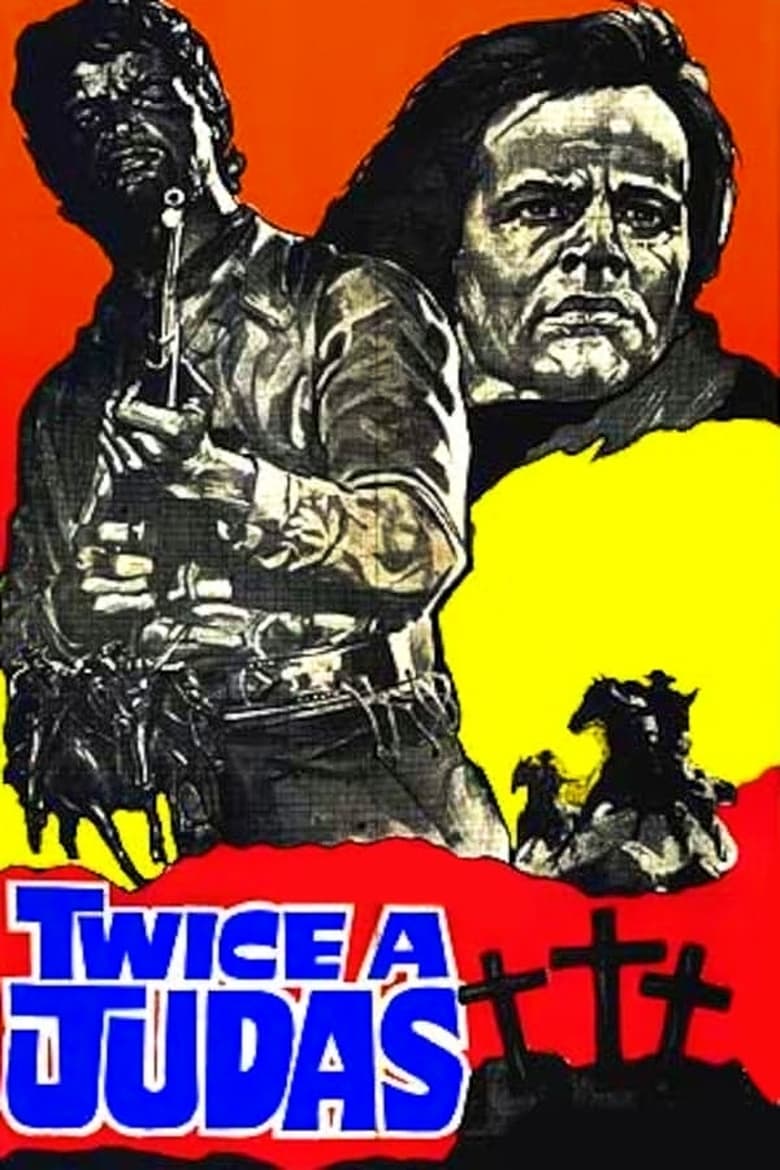
1968
Director
Nando Cicero
Runtime
96 minutes
Average Rating
No ratings yetSynopsis
Luke Barrett, having lost his memory due to an accident, does not realize that Dingus had killed his wife and brother to take possession of the Barretts' land and money. At first Luke trusts him, but while looking for his forgotten identity he discovers the truth.
Overall Score
Limited
Category Breakdown
LGBTQ+ Representation
The film lacks LGBTQ+ characters or narratives addressing non-cisnormative identities. It adheres to the heteronormative structures typical of 1960s Westerns.
Gender Representation
The story centers on male conflict between the protagonist and antagonist. Female characters function primarily as plot catalysts or victims rather than autonomous agents.
Racial & Ethnic Diversity
The film follows a standard Western setting focused on land and inheritance. It lacks explicit evidence of intersectional depth or diverse casting beyond genre baselines.
Religious & Cultural Diversity
The narrative operates within traditional frameworks of justice and retribution. It reinforces Western values of property and lineage rather than critiquing them.
Disability Representation
Amnesia serves strictly as a plot device to drive the revenge arc. The film offers no nuanced exploration of cognitive disability or neurodivergence.
Strengths
Areas for Improvement
AI Analysis
Twice a Judas is a conventional Spaghetti Western that prioritizes genre tropes over social representation. The narrative is driven by male-centric conflict, utilizing female characters and disability as functional tools for the plot rather than developing them as complex identities. The film reinforces traditional hierarchies regarding gender and property. It lacks the intentionality needed to subvert the era's standard social frameworks or provide meaningful intersectional perspectives. Ultimately, the work functions as a standard exploration of vengeance and identity within a rigid, traditionalist framework.
1966

1970

1968

1966
1971

1970

1968
1981

1972
1956

1968

1965
No reviews yet. Be the first to share your thoughts on this movie!
Use the rating form above to leave a star rating and optional review.