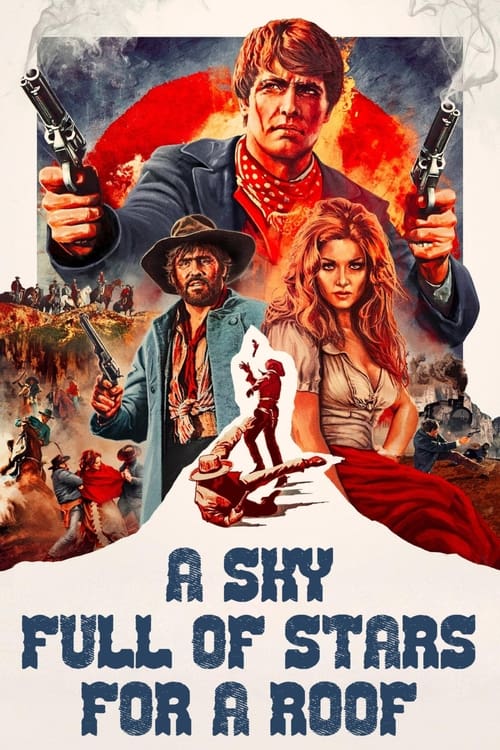
A Sky Full of Stars for a Roof
1968
No user ratings available yet
Diversity score: 3.0 out of 10

1967
RDirector
Giulio Petroni
Runtime
115 minutes
Average Rating
No ratings yetSynopsis
Bill Meceita, a boy whose family was murdered in front of him by a gang, sets out 15 years later to exact revenge. On his journey, he finds himself continually sparring and occasionally cooperating with Ryan, a gunfighter on his own quest for vengeance, who knows more than he says about Bill's tragedy.
Overall Score
Minimal
Category Breakdown
LGBTQ+ Representation
The film operates within a strictly heteronormative framework. It focuses on traditional masculine bonds and vengeance, offering no presence of non-cisnormative identities or same-sex intimacy.
Gender Representation
Male agency drives the entire narrative through conflict and violence. Female characters lack autonomy, serving primarily as passive victims whose deaths trigger the protagonist's revenge arc.
Racial & Ethnic Diversity
Casting is predominantly white and Anglo-centric, reflecting the homogeneous social structures of mid-century Westerns. The film lacks significant engagement with non-white characters or racial subversion.
Religious & Cultural Diversity
The story centers on individualistic vigilantism rather than systemic critique. Religious figures appear in traditional roles that do not challenge or deconstruct established spiritual institutions.
Disability Representation
There is no focus on physical or neurodivergent representation. Characters are defined solely by their capacity for survival and violence rather than any facet of disability.
Strengths
Areas for Improvement
AI Analysis
Death Rides a Horse is a quintessential Spaghetti Western that prioritizes genre archetypes over social subversion. The narrative is built around the revenge mythos, focusing heavily on masculine agency and individualistic justice. Because the film adheres to the stylistic conventions of 1967, it lacks meaningful representation of intersectional identities. The characters and social structures remain largely homogeneous, reinforcing the status quo of the era's cinematic landscape. Ultimately, the film functions as a standard exploration of frontier justice. It offers little engagement with diverse perspectives, instead leaning into the traditional tropes of the Western genre.
1968
1969
1954
1935
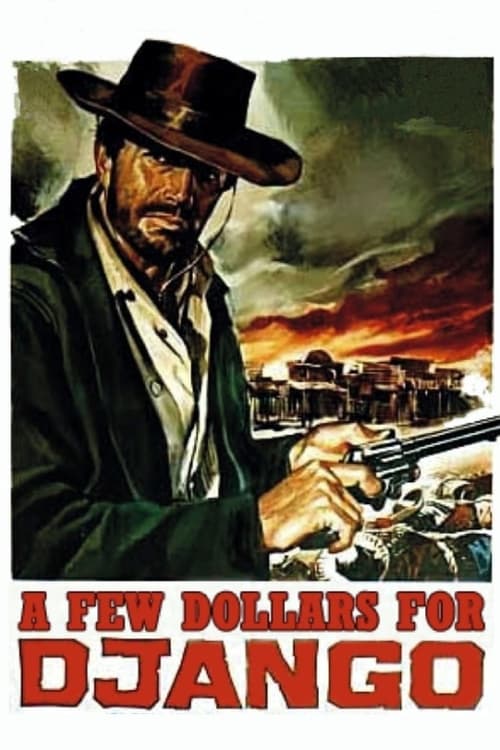
1966
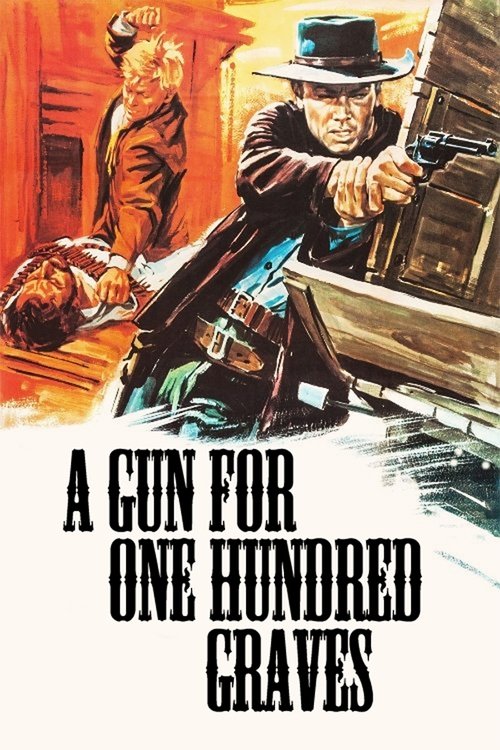
1968
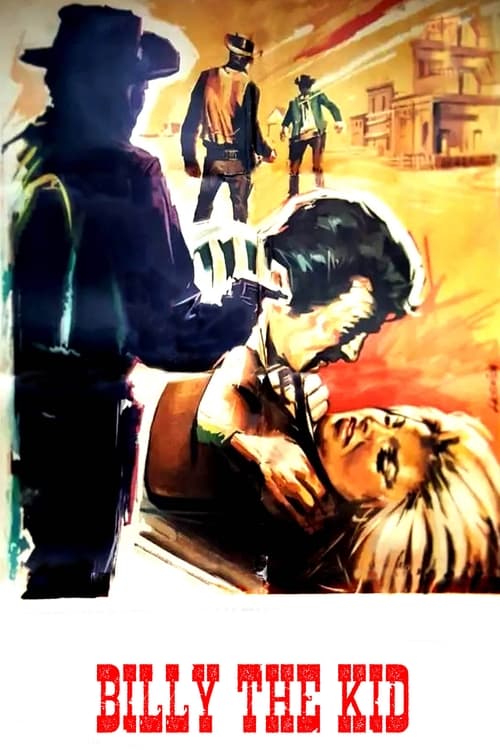
1964
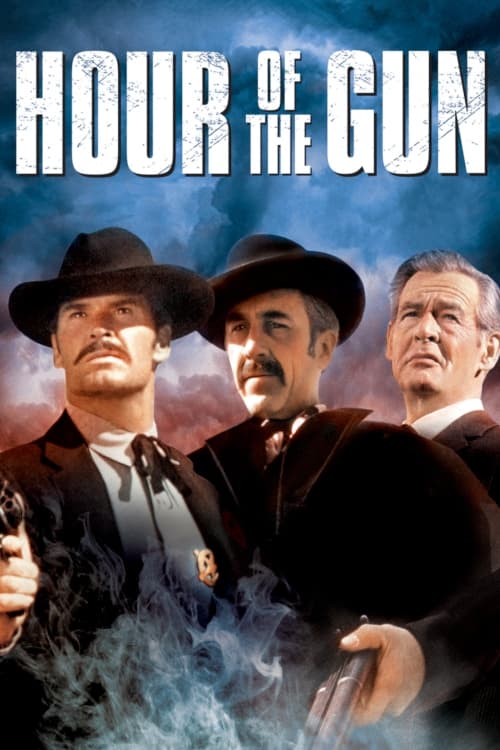
1967
1970
1970
1967
1957
No reviews yet. Be the first to share your thoughts on this movie!
Use the rating form above to leave a star rating and optional review.