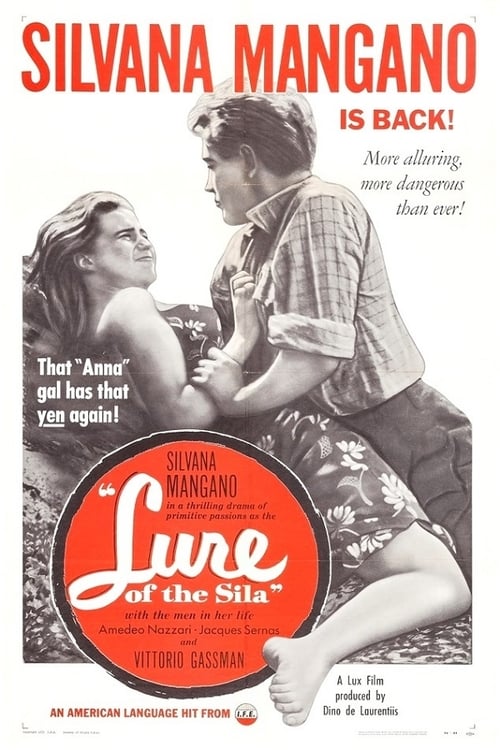
Lure of the Sila
1949
No user ratings available yet
Representation score: 2.5 out of 10

Representation Score
Fair
1950
Director
Giuseppe De Santis
Runtime
107 minutes
Average Rating
No ratings yetNew Showbiz Analysis
Under the Olive Tree is a raw depiction of post-war rural Italy that emphasizes class struggle over demographic diversity. While it fails to represent LGBTQ+ individuals, different races, or people with disabilities, it offers a profound socio-economic critique. The film uses the tension between a shepherd and a landowner to dismantle traditional power hierarchies. This focus on systemic injustice provides a strong cultural backdrop, despite an ethnically homogeneous cast. Ultimately, the film's strength lies in its portrayal of institutional corruption and the struggles of the working class against oppressive social structures.
Category Breakdown
The film centers on traditional romantic relationships and courtship, without addressing non-straight or non-cisgender identities or critiques of heteronormativity.
It challenges traditional masculine authority through the protagonist's violent actions and the landowner's predatory behavior. However, female characters often have limited roles and serve mainly as sources of conflict.
The cast is ethnically uniform, reflecting the localized, class-focused perspective of the Neorealist movement. The film does not address racial or ethnic diversity.
The film effectively critiques established power structures and land ownership. It portrays village hierarchies as inherently corrupt and oppressive through an anti-capitalist viewpoint.
There is no significant or intentional representation of physical or cognitive disabilities. The story focuses solely on the socioeconomic pressures of post-war survival.
Present on Screen
Limited or Absent
Official Synopsis
A young shepherd returns home after the Second World War having been held in a prisoner of war camp. He finds that the local landowner has stolen his sheep and his girlfriend. When he also assaults and murders his sister, the shepherd takes revenge.
1949

1949
1947

1950

1954

1949

1969
1949
No reviews yet. Be the first to share your thoughts on this movie!
Use the rating form above to leave a star rating and optional review.