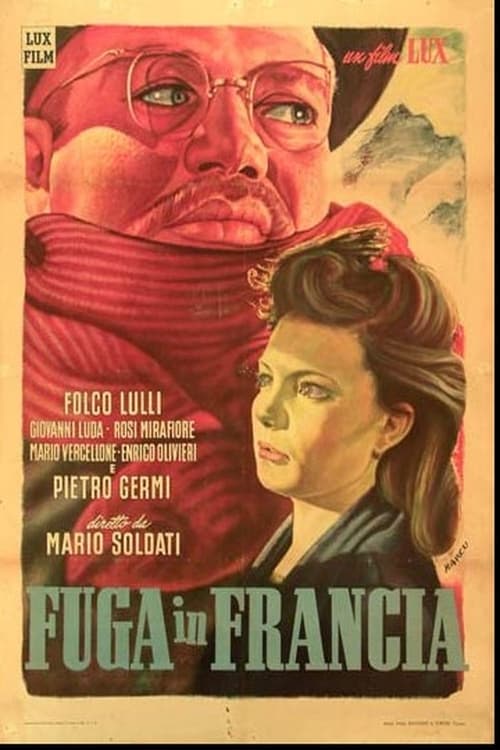
Escape to France
1948
No user ratings available yet
Representation score: 2.4 out of 10
Representation Score
Fair
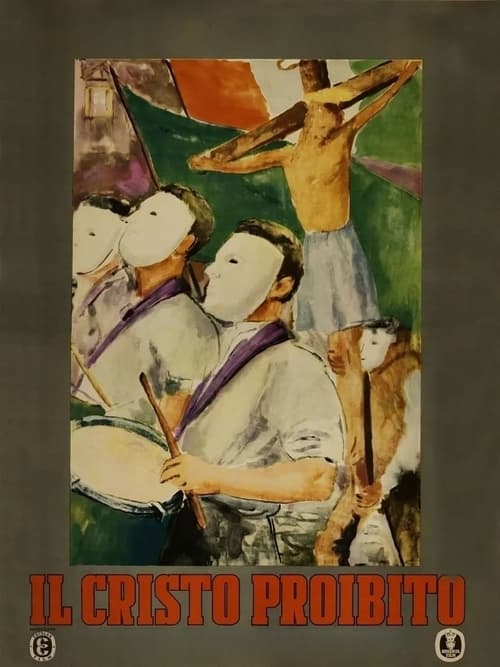
1951
Not RatedDirector
Curzio Malaparte
Runtime
99 minutes
Average Rating
No ratings yetNew Showbiz Analysis
The film primarily serves as a psychological and moral inquiry rather than a vehicle for demographic representation. It prioritizes existential themes over diverse identity representation. Its strength lies in its narrative structure, which challenges the stability of traditional social and moral hierarchies. The film avoids providing simple answers about loyalty and betrayal. While the work offers a sophisticated critique of mid-century societal norms, it lacks breadth in terms of gender, race, and identity representation.
Category Breakdown
The film does not include any LGBTQ+ identities or same-sex relationships. It focuses solely on wartime survival and family conflicts.
The story adheres to traditional 1950s gender roles, emphasizing masculine experiences of trauma and duty through its male protagonist.
The film centers on the European experience during the mid-20th century. Although Russian prisoners of war bring some ethnic variety, there is no non-Western casting.
The film offers a high degree of cultural complexity by questioning the stability of Western institutions. It delves into nuanced, situational ethics through the lens of post-war existentialism.
There are no characters with visible or invisible disabilities in the film. The film does not give such characters central roles or significant influence.
Present on Screen
Limited or Absent
Official Synopsis
Freshly released from a Russian POW camp, Italian soldier Bruno Baldi tries to discover who betrayed his brother to the Nazis.
1948
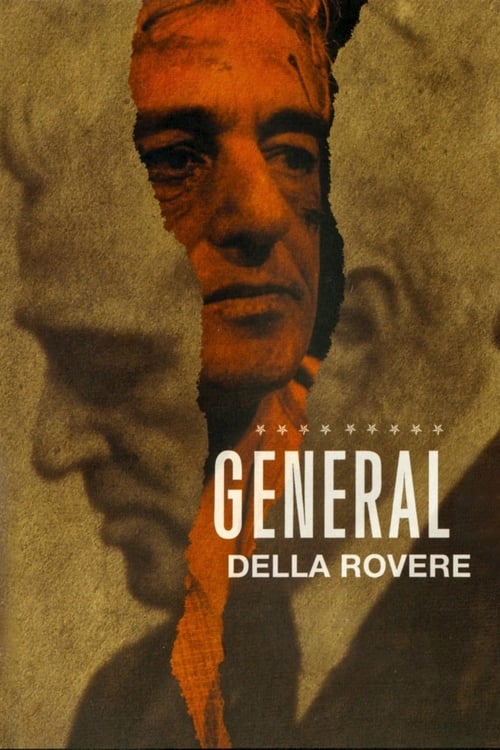
1959
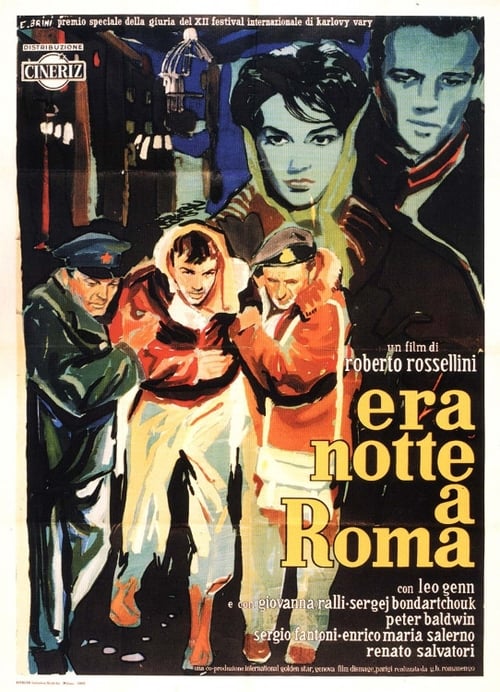
1960
1945
1950
1960

1955

1954
No reviews yet. Be the first to share your thoughts on this movie!
Use the rating form above to leave a star rating and optional review.