The 7th Day
2004
No user ratings available yet
Representation score: 6.7 out of 10
Representation Score
Fair
1982
RDirector
Manuel Gutiérrez Aragón
Runtime
97 minutes
Average Rating
No ratings yetNew Showbiz Analysis
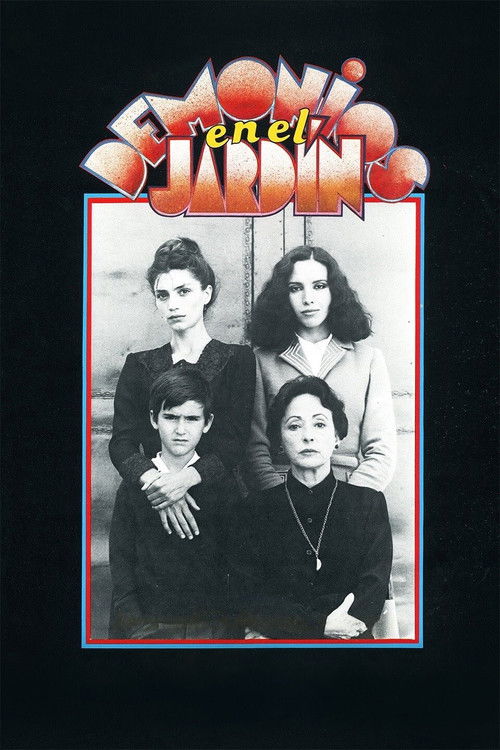
Demons in the Garden is a psychological study of a crumbling social order during Spain's transition to democracy. It avoids broad demographic diversity, focusing instead on the internal decay of a specific provincial family unit. The film delves into deconstructing the idealized family. While it lacks LGBTQ+ or multicultural representation, it offers a nuanced look at gendered power through a strong matriarchal figure and the moral failings of its patriarchs. Ultimately, the work uses domestic drama as an allegory for systemic instability, prioritizing psychological tension over social inclusivity.
Category Breakdown
The story revolves around traditional romantic relationships and family lineages, excluding any representation of non-traditional gender identities or narratives that question conventional romance structures.
A strong-willed woman defies passive feminine stereotypes by holding economic power. However, the film also leans on clichés of female victimhood and male-driven conflict.
The film mirrors the demographic uniformity of provincial Spain during a specific historical period. It focuses on a localized, ethnically homogeneous social structure without multicultural elements.
The narrative criticizes traditional hierarchies by depicting the family as a place of betrayal rather than a moral sanctuary. It uses domestic instability to reflect broader social changes.
Juanito’s rheumatic fever serves as a catalyst for family interaction and caregiving. The illness functions more as a plot device than a deep exploration of personal ability to act.
Present on Screen
Limited or Absent
Official Synopsis
Juan is the handsome, irresponsible, best-loved second son. When his older brother, who runs the family's black-market business with their steel-willed mother, marries Juan's lover Ana, Juan heads for Madrid to work for Franco. Juan also leaves behind his impoverished cousin, Ángela, pregnant with his son. Jump ten years. Juanito, the lad, has rheumatic fever. The doctor says to pamper the boy. Ángela, Ana, and his grandmother comply. As Juanito recovers, his father returns in desperate need of cash; Juanito witnesses a theft blamed on his innocent mother. Things come to a head at a saint's-name party for father and son. Jealousies, betrayals, and a bullet converge.
2004
1984
1985

1965
1969
1982
1950
1978
No reviews yet. Be the first to share your thoughts on this movie!
Use the rating form above to leave a star rating and optional review.