
A Thorn in the Heart
1986
No user ratings available yet
Diversity score: 4.1 out of 10
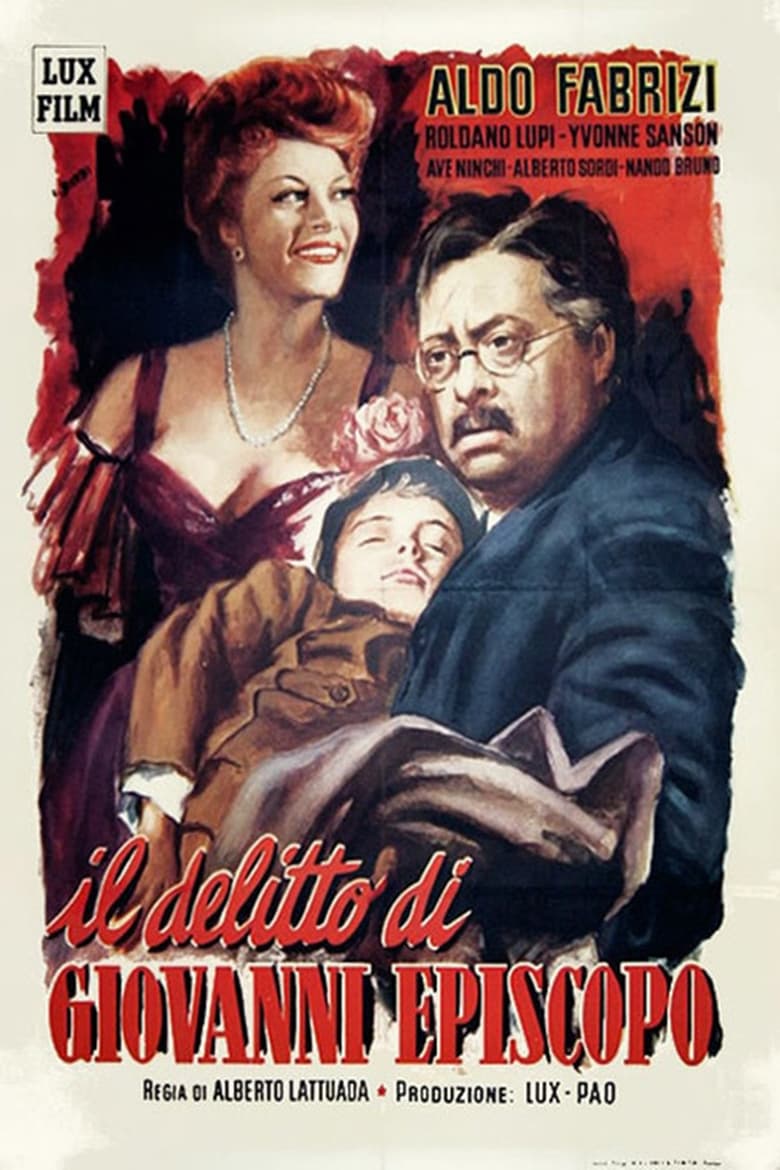
1947
Director
Alberto Lattuada
Runtime
96 minutes
Average Rating
No ratings yetSynopsis
Giovanni used to be a humble, mild-mannered government clerk whose life was turned upside down when he met Giulio, a notorious forger who at once set about manipulating the over-confident man. Giovanni did what he should never have done: he associated himself with the crook. Giulio soon laid hands on Giovanni's money, ruined his career and manhandled him into marrying his own mistress, the beautiful Ginevra. It was of course an unhappy marriage but Giovanni found a little solace when his son Ciro was born. Seven years later though, Wanzer resurfaced...
Overall Score
Limited
Category Breakdown
LGBTQ+ Representation
The film lacks LGBTQ+ characters or non-heteronormative identities. The narrative centers on a coerced heterosexual marriage between Giovanni and Ginevra.
Gender Representation
Ginevra subverts the virtuous wife trope by acting as an instrument for the antagonist. While this disrupts traditional hierarchies, female agency remains tied to male machinations.
Racial & Ethnic Diversity
The cast reflects the homogeneous social structures of 1947 Italy. There is no evidence of intersectional racial casting or the subversion of ethnic norms.
Religious & Cultural Diversity
The story critiques traditional institutions like marriage and the professional class. It frames the family as a site of entrapment rather than a social good.
Disability Representation
The narrative provides no specific evidence regarding the portrayal of physical or neurodivergent disabilities.
Strengths
Areas for Improvement
AI Analysis
Flesh Will Surrender is a character study focused on the erosion of agency through social predation. It succeeds in deconstructing traditional social hierarchies and the sanctity of the professional class. By portraying marriage as a forced, unhappy arrangement, the film offers a cynical critique of Western domestic ideals. However, the film lacks modern intersectional markers. There is no visible representation of LGBTQ+ identities, racial diversity, or disability. The narrative remains rooted in the homogeneous social context of post-war Italian cinema. Ultimately, the film's strength lies in its moral relativism. It prioritizes a sophisticated look at systemic manipulation over idealized depictions of social stability.
1986

1969
1946

1950
1949

1957
1954

1963
1953
1959

1931
1949
No reviews yet. Be the first to share your thoughts on this movie!
Use the rating form above to leave a star rating and optional review.