
Broken Silence
2001
No user ratings available yet
Diversity score: 5.8 out of 10
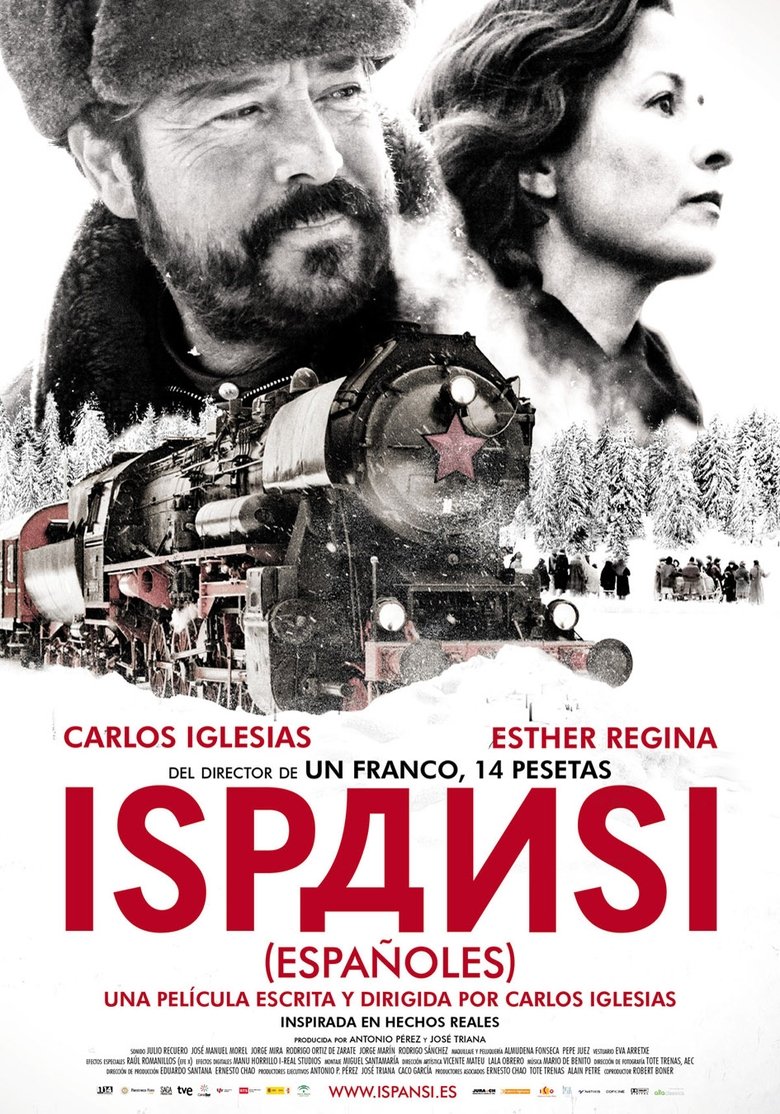
2011
Director
Carlos Iglesias
Runtime
115 minutes
Average Rating
No ratings yetSynopsis
Shortly after the outbreak of the Spanish Civil War, the Republic sent 3,000 children to Russia to protect domestic bombings. The first to leave were the children in the orphanages. Beatriz, daughter of a wealthy family of right, whose father and brother were Phalangists, became pregnant with a man who refused to marry her and decided to hide her son in an orphanage in Madrid. Upon learning of the impending trip to Russia child, steals the identity of a dead republican (Paula) and volunteers to babysit. Undertake and a terrible journey, surrounded by enemies, and thousands of miles from their country and their world. On June 41, Hitler invaded Russia. The continuous arrival of fresh troops for the defense of Moscow and again hinder the journey of the Spanish. At one of these stops are joined by Alvaro, a political commissar of the Communist Party of Spain.
Overall Score
Fair
Category Breakdown
LGBTQ+ Representation
The film focuses on the survival of children and political friction. While identity theft is a central theme, there is no explicit evidence of queer character arcs or same-sex intimacy.
Gender Representation
Beatriz serves as a strong protagonist who disrupts traditional hierarchies. She demonstrates agency by subverting her class status and parental expectations to protect her child during wartime.
Racial & Ethnic Diversity
The journey from Spain to Russia facilitates a collision of different cultural backgrounds. The Spanish Republican diaspora in a Soviet context explores themes of displacement and nationality.
Religious & Cultural Diversity
The narrative critiques traditional Western institutions and right-wing social hierarchies. It favors a politically motivated morality by centering on the Republican cause and collective struggle.
Disability Representation
There is no explicit evidence regarding the portrayal of physical or neurodivergent disabilities. The story focuses on the psychological and physical toll of war and displacement.
Strengths
Areas for Improvement
AI Analysis
Ispansi is a character-driven historical drama that examines the human cost of ideological conflict. It succeeds in deconstructing traditional Spanish social hierarchies by focusing on characters forced to abandon their identities to survive systemic collapse. The film's strength lies in its portrayal of marginalized groups, such as orphans and Republicans, against oppressive power structures. This provides a sophisticated look at how political upheaval reshapes personal identity. However, the film lacks specific representation regarding disability and queer identities. While it explores the fluidity of social roles through identity theft, it does not explicitly center non-cisnormative experiences.
2001
1998
1929

1985

2015
2006

1966

2008
2008

2002
1917

2003
No reviews yet. Be the first to share your thoughts on this movie!
Use the rating form above to leave a star rating and optional review.