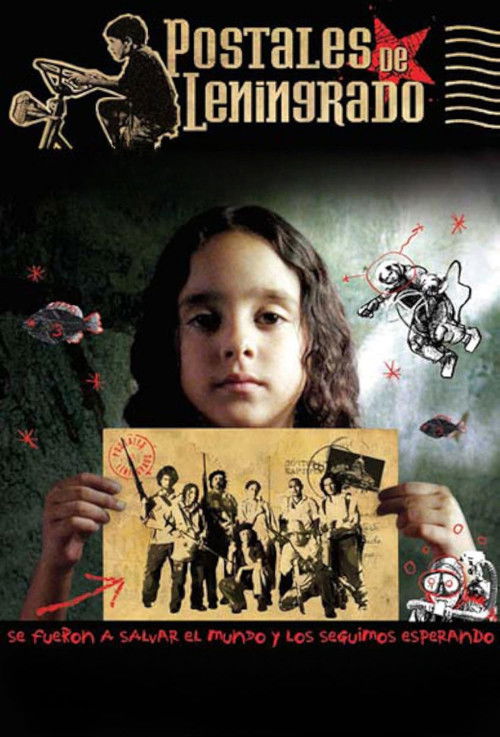
Postcards from Leningrad
2007
No user ratings available yet
Representation score: 7.0 out of 10
Representation Score
Good
2003
Director
Fabrizio Aguilar
Runtime
90 minutes
Average Rating
No ratings yetNew Showbiz Analysis
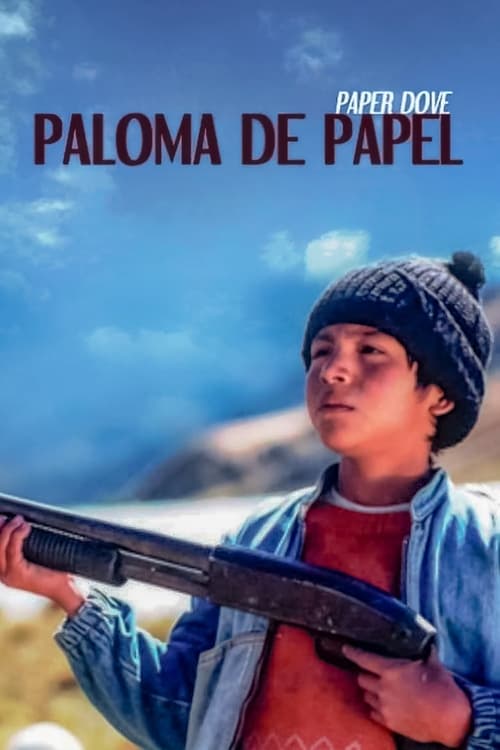
Paper Dove is a powerful sociopolitical film that prioritizes the perspectives of those caught between state authority and revolutionary movements. It avoids a simplistic, state-approved morality, instead presenting a complex, situationally ethical framework. The film stands out for its authentic portrayal of the Andean and mestizo experiences in Peru. It also offers nuanced gender roles that challenge traditional domestic stereotypes through politically active female characters. However, it lacks explicit LGBTQ+ representation or disability visibility, focusing primarily on the ideological conflicts.
Category Breakdown
The film does not include explicit depictions of LGBTQ+ identities or dynamics that go beyond assuming everyone is straight. The story focuses mainly on political affiliations and family ties.
Women play significant roles in the film, such as the mother who secretly supports the guerrillas. This challenges traditional stereotypes of passive, domestic women.
The story centers on the Andean experience, moving away from Anglo-centric views. It highlights the lives of indigenous and mixed-race individuals in a underrepresented rural setting.
The film delves into anti-state sentiments and Marxist ideology. It explores the ethical complexities of political violence and systemic struggles within a Peruvian context.
There are no visible or mentioned depictions of physical or neurodivergent disabilities in the film.
Present on Screen
Limited or Absent
Official Synopsis
Juan, a young man convicted of terrorism, is given amnesty from a Lima prison; he boards a bus to return home and, in his mind's eye, recalls events in his village near Huaraz when he was 10 or 12. His father is long dead, his mother lives with Fermin, secretly a sympathizer with the Communist guerrillas in the hills. Town leaders are assassinated at night. When Juan discovers Fermin's secret, Juan is spirited away to the guerrillas to learn Marxist slogans and how to fight. When the band decides to attack the town to avenge the death of a comrade, Juan must choose.
2007
2020
2012

2005
2015
1995
1988
2005
No reviews yet. Be the first to share your thoughts on this movie!
Use the rating form above to leave a star rating and optional review.