
West
2013
No user ratings available yet
Representation score: 5.5 out of 10
Representation Score
Fair
2008
Director
Christian Schwochow
Runtime
95 minutes
Average Rating
No ratings yetNew Showbiz Analysis
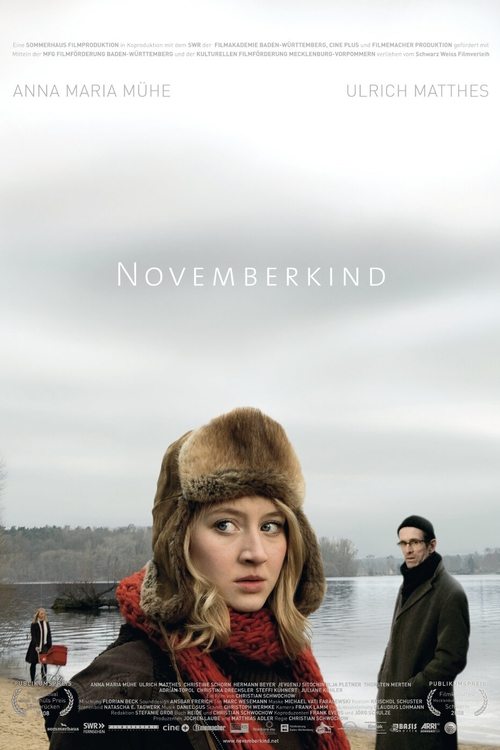
November Child is a historical drama that excels in its portrayal of individual ability to act and systemic critique. By focusing on a woman's difficult choices and the long-term consequences of state oppression, the film transcends typical period clichés. However, the film's demographic homogeneity and adherence to traditional heterosexual relationships limit its scope. Set in 1980s East Germany, the cast reflects the historical context but lacks diverse representation.
Category Breakdown
The story focuses on a heterosexual relationship between Anne and Juri. There is no indication of queer identities or non-cisgender themes in the main plot.
Anne serves as the emotional and logistical driver of the narrative. The film explores her significant role in the story and the psychological burden she faces under a restrictive regime.
Set in the GDR, the film features a predominantly white cast. While this reflects the historical setting, it lacks diverse representation in the main character arcs.
The film critiques institutional structures by portraying the GDR state as an oppressive force. It emphasizes personal survival and individual truth over state-sanctioned narratives.
There are no visible or invisible disabilities that play a central role in the character arcs or the plot progression.
Present on Screen
Limited or Absent
Official Synopsis
Malchow, German Democratic Republic, 1980. 20-year-old Anne is hiding Juri, a deserter of the Red Army. The two fall in love with each other. But their love is threatened: there is an arrest warrant and possibly a death sentence waiting for Juri. The two leave the country and flee to the West, leaving Anne’s six-month-old daughter Inga behind. Inga grows up with her grandparents and thinks that her mother died during a swimming accident. 25 years later she meets the literature professor Robert, who sends her on the trail of her past. He met Inga’s mother Anne during one of his seminars. At first Inga is resistant, but then she asks for Robert’s help. Together they take off on a journey through Germany, in search of Inga’s mother Anne...
2013

2007
1992
1988
2011
1999
1992
1995
No reviews yet. Be the first to share your thoughts on this movie!
Use the rating form above to leave a star rating and optional review.