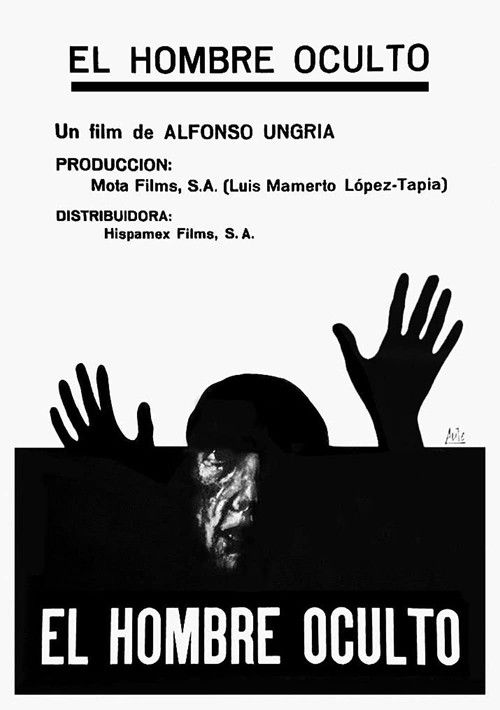
Man in Hiding
1971
No user ratings available yet
Representation score: 3.5 out of 10
Representation Score
Good
2008
Director
José Luis Cuerda
Runtime
98 minutes
Average Rating
No ratings yetNew Showbiz Analysis
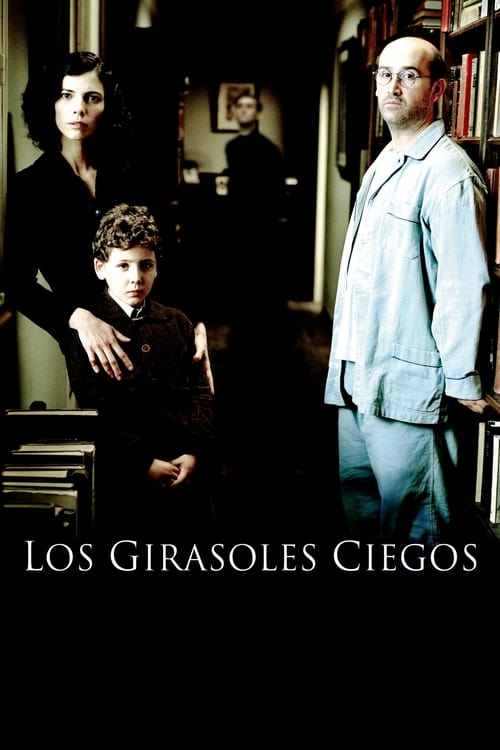
The Blind Sunflowers is a period drama that emphasizes historical accuracy and political critique over contemporary diversity standards. Its main strength lies in its subversion of traditional gender roles, highlighting the resilience and ability to act of female characters in a highly patriarchal and state-controlled society. Despite the lack of LGBTQ+ representation and racial diversity, these omissions are consistent with the specific historical and geographic context of 1940s Spain. The film avoids whitewashing and instead casts actors that mirror the era's demographic makeup. Overall, the film excels as a nuanced critique of institutional power, using the domestic sphere to challenge the perceived legitimacy of religious and political victors of the Spanish Civil War.
Category Breakdown
The film does not include prominent LGBTQ+ characters or explore non-straight relationships. The story centers on the domestic life and the political changes following the Spanish Civil War.
Elena and her children play crucial roles in the family's survival, showing great resilience. The film challenges traditional masculinity by depicting the male lead as a vulnerable figure needing protection.
The cast primarily consists of actors representing the demographics of 1940s Spain. The casting reflects the historical and geographical context of the setting.
The story critically examines the oppressive nature of religious and state power, framing the struggles of the persecuted as a fight against systemic injustice.
The film does not focus on physical or cognitive disabilities. The characters' challenges are rooted in socio-political issues rather than individual impairments.
Present on Screen
Limited or Absent
Official Synopsis
Orense, Spain, 1940, just after the end of the Civil War. Every time Elena locks the door of her home, she and her children become the faithful guardians of a sacred secret: Ricardo, her husband, their father, hides in the house, trying to avoid the brutal political persecution of the victors, who hunt, as if they were wild animals, and imprison or execute, those who have lost the bloody and tragic struggle…
1971
2011
2001
2019
1979
2002
2011
1987
No reviews yet. Be the first to share your thoughts on this movie!
Use the rating form above to leave a star rating and optional review.