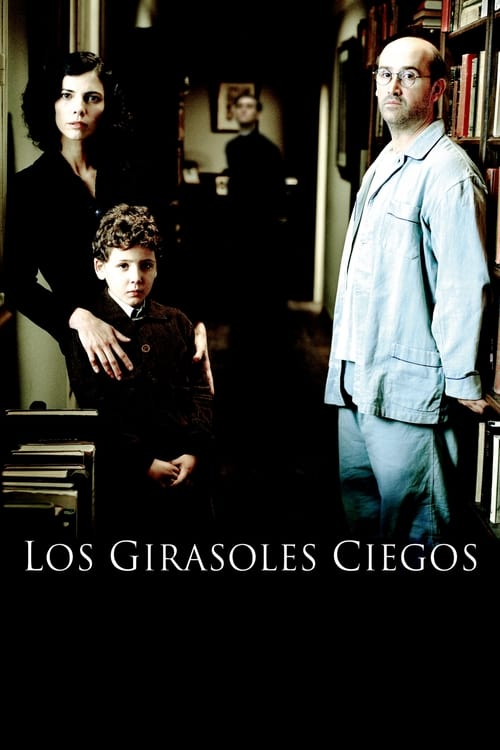
The Blind Sunflowers
2008
No user ratings available yet
Representation score: 6.1 out of 10
Representation Score
Excellent
2001
TV-PGDirector
Montxo Armendáriz
Runtime
110 minutes
Average Rating
No ratings yetNew Showbiz Analysis
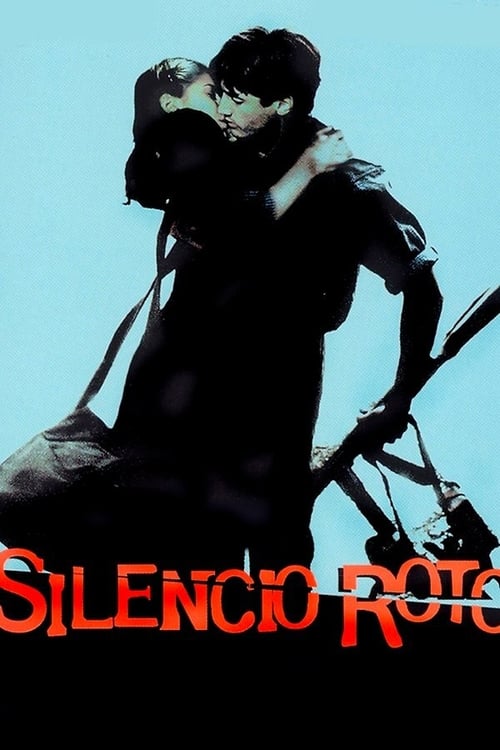
Broken Silence examines the conflict between personal conviction and state-imposed conformity through a historical lens. By focusing on the anti-Franco resistance, the film shifts the narrative focus to the lived experiences of repression. The film excels in dismantling power structures and highlighting the perspectives of those underrepresented by the state. It uses a female protagonist to explore the horrors of political struggle. However, the film does not incorporate modern markers of diversity. It lacks visible LGBTQ+ identities and a multi-ethnic cast, reflecting the specific demographic context of its 1944 Spanish setting.
Category Breakdown
The story focuses on the romantic relationship between Lucía and Manuel. There are no characters with explicitly stated LGBTQ+ identities.
Lucía plays a central role in the film, serving as the main character who navigates the political landscape emotionally and intellectually. Her journey challenges traditional gender roles by focusing on a woman's perspective.
The film is set in rural Spain during 1944 and does not depict a multi-ethnic population. However, it highlights the struggles of the 'maquis,' a group considered outsiders fighting against a centralized power.
The movie critiques authoritarian institutions, emphasizing the experiences of those who oppose the state. It portrays the social order as oppressive, focusing on the perspective of dissenters.
The story deals with political and psychological trauma but does not include characters with physical or neurodivergent disabilities.
Present on Screen
Limited or Absent
Official Synopsis
Winter, 1944. Lucía at 21 returns to her small village in the mountains. She again meets Manuel, a young iron-smith who helps "those in the mountain", the "maquis", the anti-Franco resistance. Lucía is attracted to Manual, because of his smile and the bravery of those men who continue fighting for their ideas, even at the cost of their own lives. When Manuel is pursued (by Franco's Civil Guard) he flees to the mountain and Lucía discovers the reality of political repression, the silence, the horror and fear.
2008
2011
1987
2019
2019
1995
2010
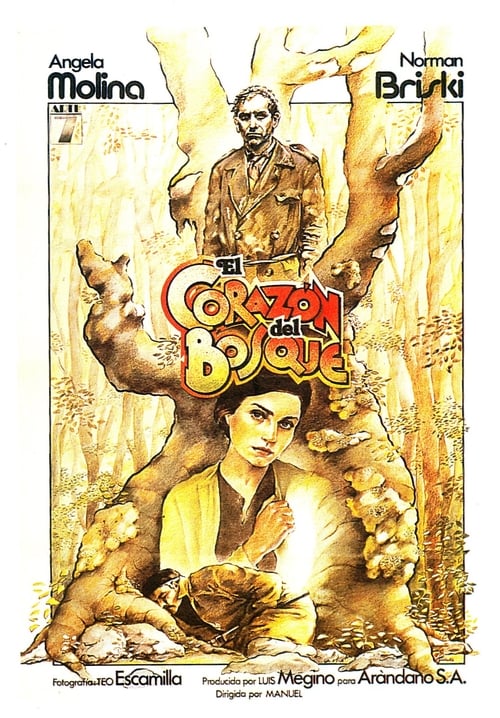
1979
No reviews yet. Be the first to share your thoughts on this movie!
Use the rating form above to leave a star rating and optional review.