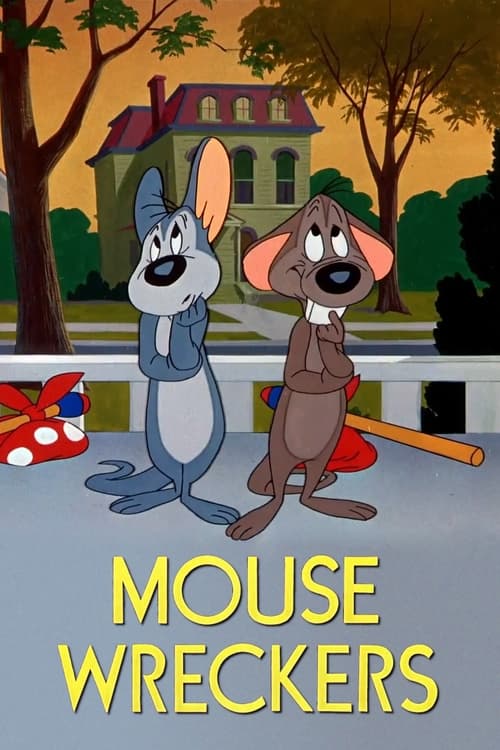
Mouse Wreckers
1949
No user ratings available yet
Representation score: 0.4 out of 10
Representation Score
Minimal
1943
GDirector
Chuck Jones
Runtime
7 minutes
Average Rating
No ratings yetNew Showbiz Analysis
The film examines class-based behavior through a comedic lens, relying on established social archetypes to drive its narrative. It highlights the friction between the comforts of high society and the challenges of everyday life. Instead of challenging existing societal structures, the story reinforces traditional views of class and domestic life. Humor arises from the cat's struggle to navigate life outside a pampered environment. Overall, the film offers a traditional perspective on class and domesticity without exploring multiple layers of identity.
Category Breakdown
The story revolves around a domestic conflict between a pampered cat and his caretakers. There are no characters with LGBTQ+ identities or same-sex relationships.
The film uses a traditional domestic setting where gender roles are not clearly defined due to anthropomorphized characters. Women do not have much influence over the plot, and traditional gender roles are not questioned.
The setting is a homogeneous, upper-class Western household. There is no visible effort to include characters from different racial or ethnic backgrounds.
Class differences are used for comedic effect rather than a deeper critique. The story presents class divisions as a cautionary tale about losing stability.
No visible or hidden disabilities are shown. The characters' stories do not address neurodivergence or physical impairments.
Present on Screen
Limited or Absent
Official Synopsis
Meadows the butler quits after being tormented by the spoiled family cat, who finds he is unable to survive on his own, especially after meeting the mice Hubie and Bertie.
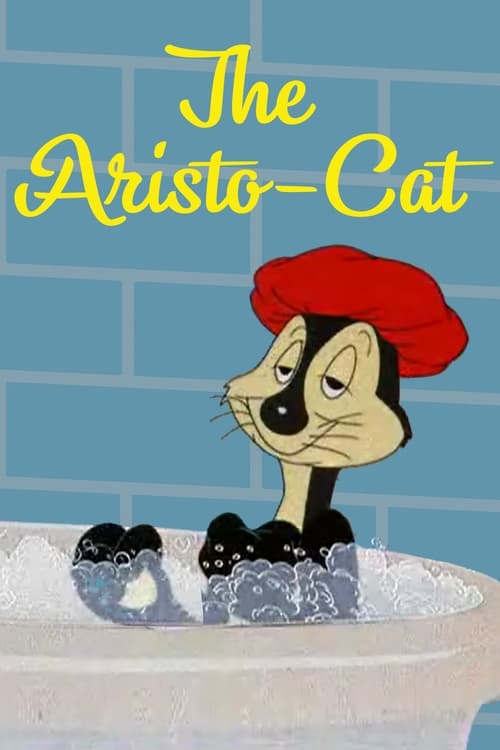
1949
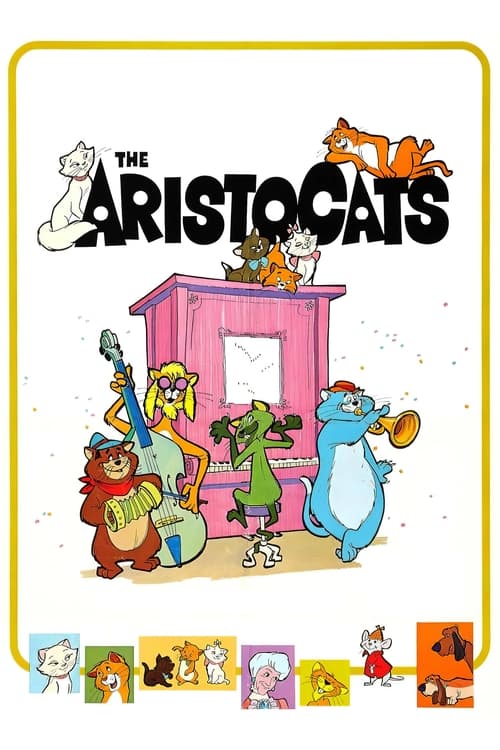
1970
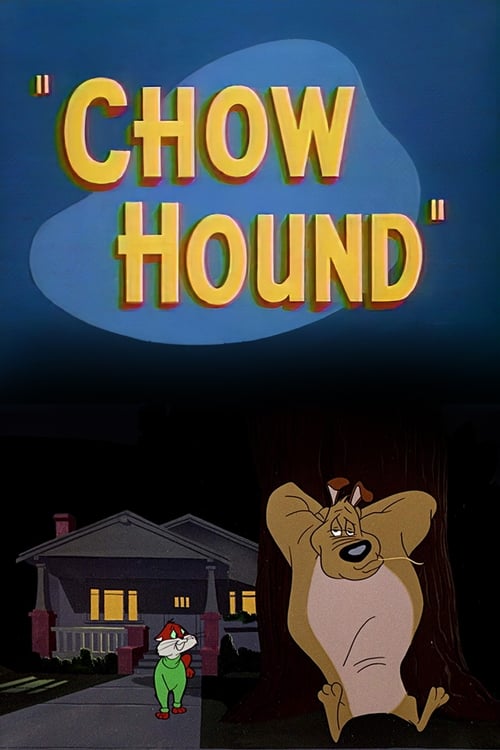
1951

2021
1941
1954
1938
1951
No reviews yet. Be the first to share your thoughts on this movie!
Use the rating form above to leave a star rating and optional review.