Dr. Devil and Mr. Hare
1964
No user ratings available yet
Diversity score: 1.5 out of 10
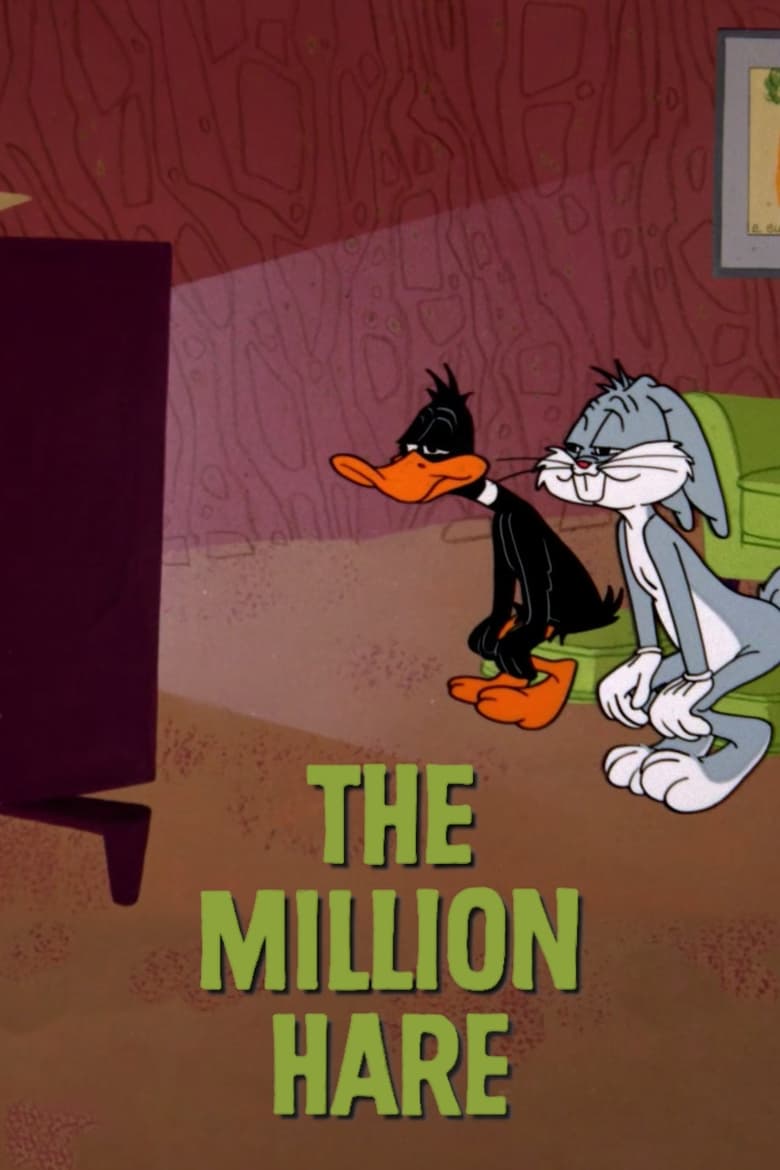
1963
NRDirector
Robert McKimson
Runtime
7 minutes
Average Rating
No ratings yetSynopsis
Bugs races Daffy to get to the TV station first and win the prize on the "Beat Your Buddy" show.
Overall Score
Minimal
Category Breakdown
LGBTQ+ Representation
The film contains no discernible LGBTQ+ characters or explorations of non-heteronormative identities. The cast consists entirely of anthropomorphic male figures.
Gender Representation
The narrative operates within a strictly masculine framework. Agency is concentrated in male-coded figures, with no significant female presence to challenge established gender roles.
Racial & Ethnic Diversity
The stylized, anthropomorphic landscape avoids explicit racial markers. However, the homogeneous cast lacks diverse character archetypes or any engagement with racial identity.
Religious & Cultural Diversity
The film offers a moderate critique of Western political institutions. It portrays the election process as a chaotic spectacle, suggesting democracy can be driven by absurdity.
Disability Representation
There are no visible or invisible disabilities portrayed. Characters serve as vessels for slapstick comedy rather than possessing agency related to physical or neurodivergent impairments.
Strengths
Areas for Improvement
AI Analysis
The Million Hare functions as a mid-century satire of political campaigning, using slapstick to lampoon the performative nature of elections. While it successfully deconstructs the dignity of the political process, it does so through a very narrow lens. The film is a product of its era, prioritizing institutional absurdity over intersectional depth. It lacks engagement with gender, race, or identity politics, focusing instead on the comedic chaos of competition. Ultimately, the narrative architecture is designed to mock the machinery of democracy rather than advocate for social restructuring or diverse representation.
1964
1964

1951
1962
1951
1946
1938
1939
1949
1960
1959
1946
No reviews yet. Be the first to share your thoughts on this movie!
Use the rating form above to leave a star rating and optional review.