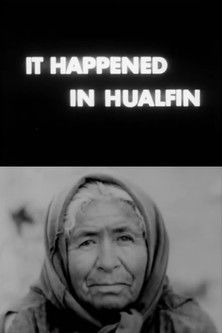
It Happened in Hualfin
1965
No user ratings available yet
Representation score: 4.9 out of 10

Representation Score
Fair
1933
Director
Luis Buñuel
Runtime
30 minutes
Average Rating
No ratings yetNew Showbiz Analysis
Luis Buñuel’s documentary uses a surrealist lens to deconstruct the socioeconomic structures of rural Spain. The film frames extreme deprivation as a consequence of institutional and economic failure rather than simply observing poverty. The work is highly progressive in its critique of power, dismantling the myth of a stable social order. It centers the lived experience of those underrepresented by the prevailing economic system. While demographic diversity is limited by the film's specific historical focus, its narrative structure challenges the status quo by refusing to romanticize the peasantry's struggles.
Category Breakdown
The film focuses solely on the biological and socioeconomic realities of survival. There are no LGBTQ+ identities or narratives addressing non-straight relationships.
The film depicts traditional gender roles in rural Spanish life. It shows how scarcity reinforces these roles without challenging the existing hierarchies.
The population is highly homogeneous, reflecting the specific regional demographics of 1932 Extremadura. It lacks diverse racial backgrounds but offers a deep look at class-based identity.
Buñuel provides a potent critique of Western economic and social institutions. The narrative frames the peasantry's struggle as a direct result of systemic failure and institutional neglect.
The film offers a visceral look at the physical manifestations of chronic malnutrition. These realities are central to the narrative, illustrating the devastating impact of systemic deprivation.
Present on Screen
Limited or Absent
Official Synopsis
An exploration —manipulated and staged— of life in Las Hurdes, in the province of Cáceres, in Extremadura, Spain, as it was in 1932. Insalubrity, misery and lack of opportunities provoke the emigration of young people and the solitude of those who remain in the desolation of one of the poorest and least developed Spanish regions at that time.
1965
1963
1964
1984
1976
1934
2013

2010
No reviews yet. Be the first to share your thoughts on this movie!
Use the rating form above to leave a star rating and optional review.