
Factory
1971
No user ratings available yet
Representation score: 4.0 out of 10

Representation Score
Good
1974
Director
Louis Malle, René Vautier
Runtime
73 minutes
Average Rating
No ratings yetNew Showbiz Analysis
A Human Condition offers a profound exploration of human dignity within a concentration camp setting. It moves away from conventional heroism to examine how systemic totalitarianism dismantles individual identity and social hierarchies. The film excels at portraying the multi-layered nature of oppression by showcasing a diverse group of victims. It provides a sophisticated critique of absolute authority and the fragility of morality under extreme duress. However, the narrative lacks representation of LGBTQ+ identities and does not treat disability as a distinct, empowered identity. The focus remains primarily on the psychological and physical degradation caused by the environment.
Category Breakdown
The film does not include any documented LGBTQ+ characters or narratives that challenge the assumption that everyone is straight or cisgender. The story focuses solely on the physical and psychological pressures of the camp setting.
Traditional gender hierarchies are challenged by dehumanizing conditions. While women play a significant role in survival, the narrative suggests that the extreme environment renders conventional gender roles secondary.
The film showcases a diverse mix of ethnic and national identities. This highlights how different aspects of identity intersect under a single oppressive regime.
The work critically examines Fascism and totalitarian Western institutions. It explores how systemic pressure undermines traditional morality within oppressive environments.
Physical and mental vulnerabilities are shown as consequences of the environment. The film does not give specific, empowered portrayals of disability as distinct identities.
Present on Screen
Limited or Absent
Official Synopsis
Louis Malle’s meditative investigation of the inner workings of a French automotive plant.
1971
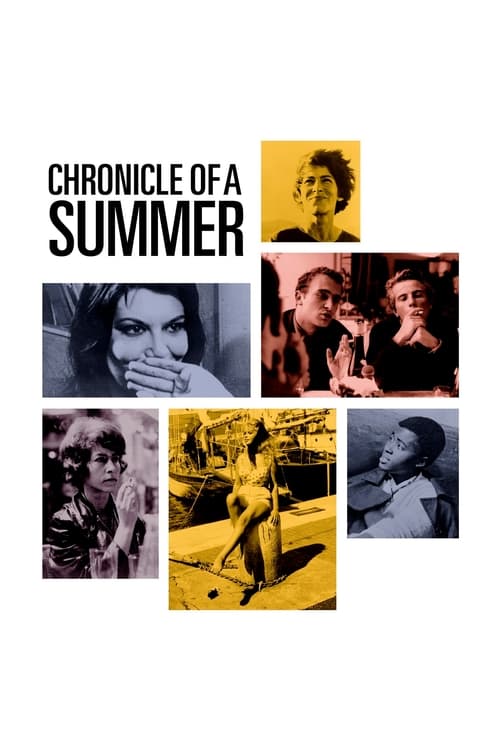
1961
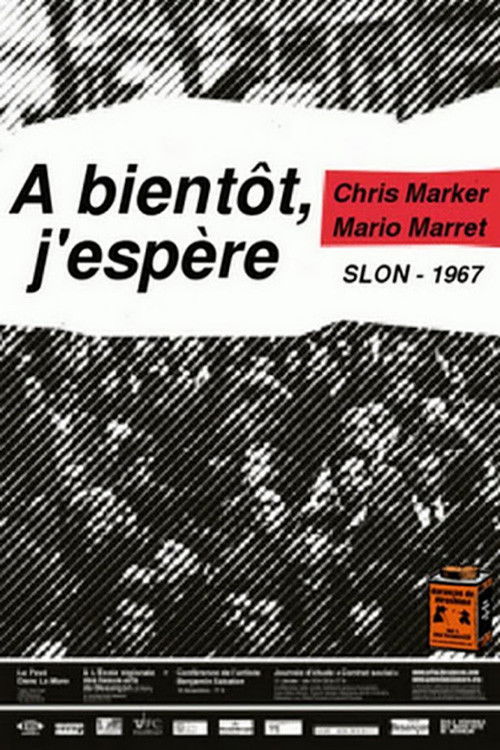
1968
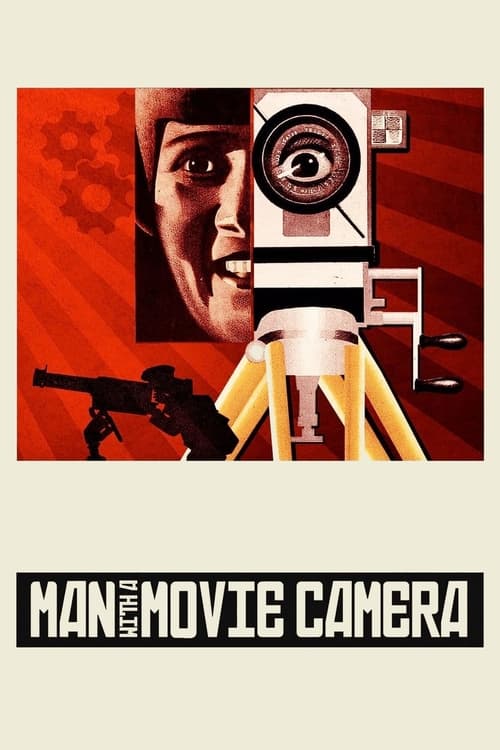
1929
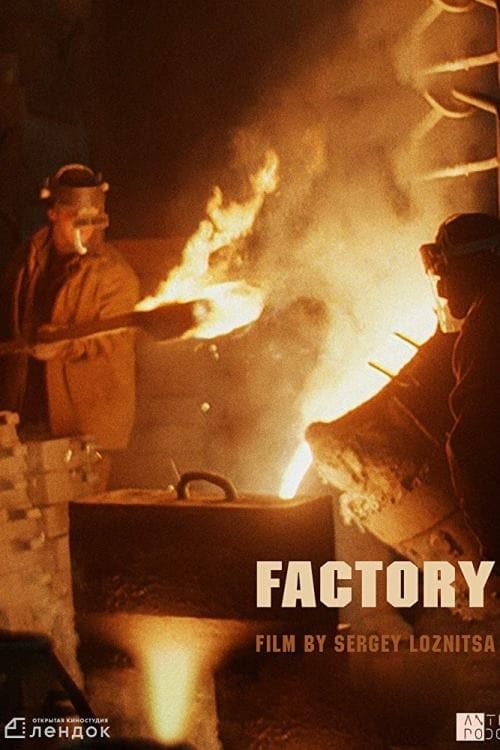
2004
2014
1970

1974
No reviews yet. Be the first to share your thoughts on this movie!
Use the rating form above to leave a star rating and optional review.