
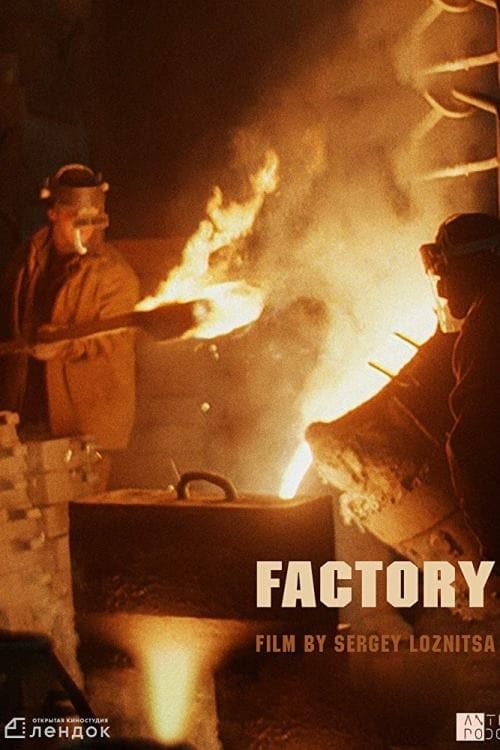
Factory
1971
No user ratings available yet
Representation score: 4.0 out of 10
Representation Score
Fair
2004
Director
Sergei Loznitsa
Runtime
30 minutes
Average Rating
No ratings yetNew Showbiz Analysis
Sergei Loznitsa’s documentary provides a stark, observational look at the dehumanizing effects of industrialization. It excels in its systemic critique, using the factory setting to deconstruct capitalist structures and the myth of labor dignity. By focusing on the worker as an extension of the machine, the film offers a powerful sociological perspective. However, the film lacks specific identity-based representation. The focus on the mechanical rhythm of the assembly line leaves little room for individual identity explorations, such as LGBTQ+ narratives or diverse ethnic backgrounds. The demographic remains largely homogeneous within its post-Soviet context. Ultimately, the film trades individual character arcs for a broader critique of global power dynamics. It is a visceral study of physical depletion and systemic oppression rather than a study of diverse personal identities.
Category Breakdown
The documentary focuses solely on industrial labor and mechanical rhythms. There are no depictions of LGBTQ+ narratives or non-cisgender identities present.
Both men and women share the same grueling industrial ecosystem. The film depicts women as essential components of the machine rather than in domestic roles, achieving equality through shared physical exhaustion.
The cast reflects a primarily Eastern European proletariat. While ethnically homogeneous, it centers a post-Soviet working-class reality rather than a Western-normative perspective.
The film offers a profound critique of capitalist structures. It portrays a secular, materialist existence where traditional institutions like religion and family are rendered irrelevant by production cycles.
No specific diagnosed disabilities are featured. However, the film captures the physical degradation and chronic exhaustion caused by repetitive, industrial labor.
Present on Screen
Limited or Absent
Official Synopsis
Masculine and feminine, hard and soft, continuous and interrupted, whole and fragmented. All that is encompassed by just one day at the factory.
1971

1927

2006

2013

1974
2019
1978

1964
No reviews yet. Be the first to share your thoughts on this movie!
Use the rating form above to leave a star rating and optional review.