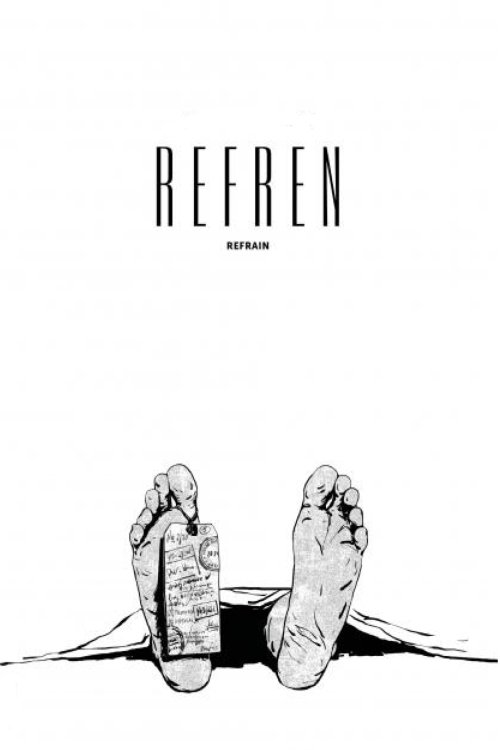
Refrain
1972
No user ratings available yet
Representation score: 7.9 out of 10

Representation Score
Fair
1973
Director
Krzysztof Kieślowski
Runtime
18 minutes
Average Rating
No ratings yetNew Showbiz Analysis
Krzysztof Kieślowski’s documentary provides a profound critique of systemic authority and institutional power. By focusing on the life of Joseph Malesa, the film explores the friction between an individual and a restrictive state. While the film scores low in identity-based categories like race and LGBTQ+ representation due to its specific Polish historical context, it offers high progressive value through its cultural lens. It deconstructs traditional hierarchies and explores the moral relativism required to survive a totalitarian regime. Ultimately, the work is a sophisticated study of existential truth over institutional dogma, prioritizing the individual's struggle against bureaucratic entrapment.
Category Breakdown
The film does not include explicit LGBTQ+ characters or stories that challenge traditional heterosexual norms. Instead, it focuses on the protagonist's struggle within a socio-political framework, offering little queer-coded subtext.
The story centers around the male experience of labor and political involvement. Female characters appear but mostly serve within the protagonist's orbit rather than as independent agents.
Set in 1970s Poland, the film reflects the homogeneous demographic reality of the time. It remains deeply rooted in a localized Polish working-class experience.
The film excels by critiquing institutional power and state structures. It prioritizes secular, existential inquiry over religious or patriotic dogma, highlighting the moral ambiguity of living under totalitarianism.
There is no significant evidence of visible or invisible disability representation. The narrative focuses on psychological and political entrapment rather than physical or neurodivergent specificities.
Present on Screen
Limited or Absent
Official Synopsis
Joseph Malesa is a former party activist, labor leader, and mason. The documentary describes his career and life through ups and downs.
1972

1971
1977
1979
1973

1953
1972

1995
No reviews yet. Be the first to share your thoughts on this movie!
Use the rating form above to leave a star rating and optional review.