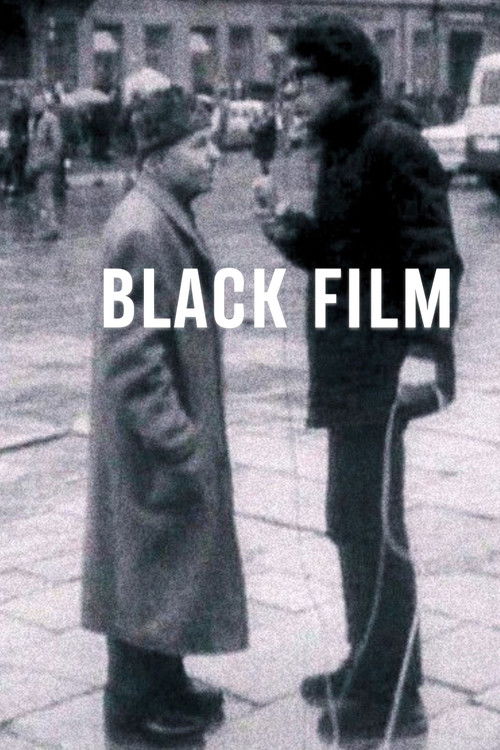
Black Film
1971
No user ratings available yet
Representation score: 8.8 out of 10

Representation Score
Good
1968
Director
Želimir Žilnik
Runtime
8 minutes
Average Rating
No ratings yetNew Showbiz Analysis
Želimir Žilnik’s documentary serves as a powerful critique of the gap between socialist ideology and the lived reality of the Yugoslav working class. By focusing on those sidelined by the state, the film challenges official narratives of progress and stability. The work excels in its cultural critique, deconstructing the myth of the ideal citizen through its portrayal of systemic failure. It replaces state-sanctioned optimism with a gritty, realistic look at institutional neglect. While the film lacks explicit representation of LGBTQ+ identities or specific physical disabilities, its strength lies in its social realism. It uses the category of the 'unemployed' to challenge the monolithic identity promoted by the government.
Category Breakdown
The film emphasizes class struggle over sexual identity politics. There is no clear depiction of LGBTQ+ identities or stories that challenge the assumption that everyone is straight or cisgender.
Women are shown as active participants in the struggle for survival rather than idealized domestic figures. However, the film does not provide specific examples of challenging traditional gender hierarchies.
The film features a diverse cast of non-professional actors representing a fragmented, multi-faceted working class. This avoids the monolithic national identity often promoted by the state in Yugoslavia.
The film effectively critiques established institutions and the state's empty promises. It highlights the anti-social reality of underrepresented communities to deconstruct traditional state-driven narratives.
The narrative focuses on the socioeconomic challenges faced by individuals unable to participate in the formal economy. These subjects are often portrayed as victims of broader institutional neglect rather than individuals with specific physical conditions.
Present on Screen
Limited or Absent
Official Synopsis
SFRJ is officially a place where everyone have a job and a house. The story follows hard labored workers who can't find a job, who bathe in public bathrooms and sleep in homeless centers.
1971

2000
1978

1968
1969

1930

2014
2014
No reviews yet. Be the first to share your thoughts on this movie!
Use the rating form above to leave a star rating and optional review.