
Casanova Brown
1944
No user ratings available yet
Diversity score: 1.4 out of 10
1943
Runtime
67 minutes
Average Rating
No ratings yetSynopsis
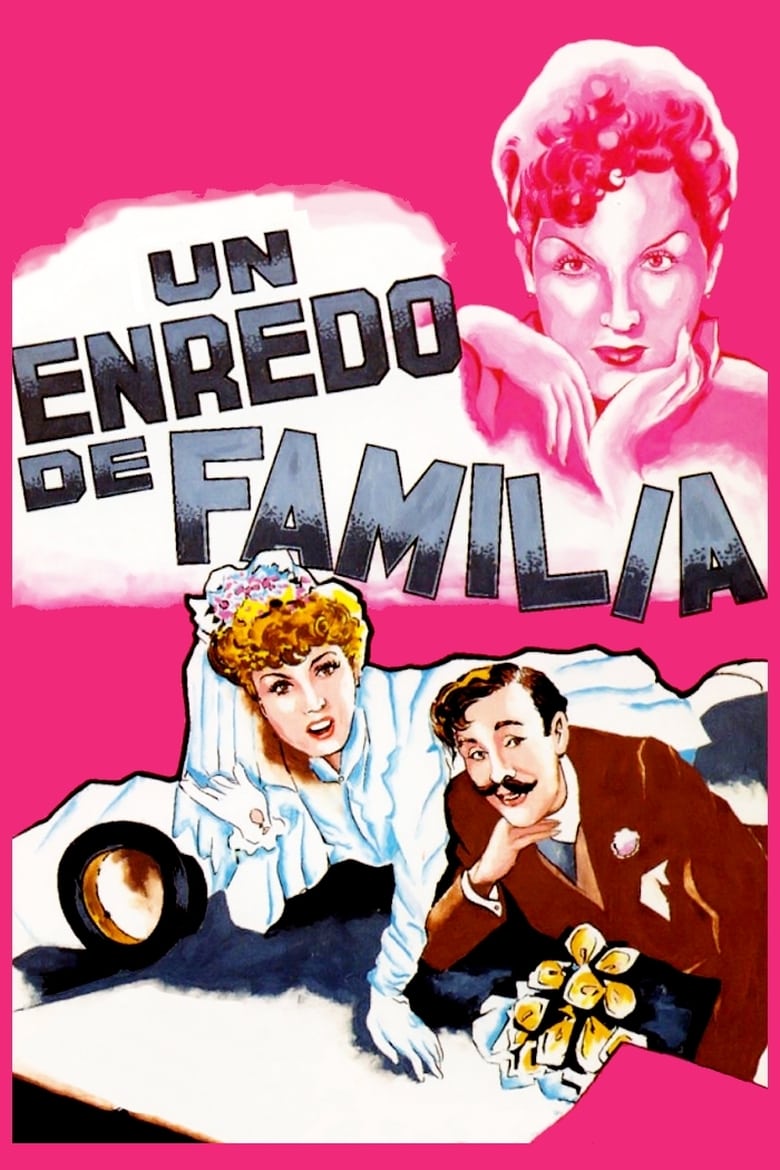
Two families that hate each other coudn't hinder the marriage of their firstborns. From this relationship born two pair of twins. Unfortunately their parents die and each family take in one pair of twins. Time pass trough, the twins find each other and many questions need to be solved.
Overall Score
Minimal
Category Breakdown
LGBTQ+ Representation
The film follows a traditional romantic structure centered on the marriage of firstborns. There is no evidence of non-cisnormative identities or narratives that critique heteronormativity.
Gender Representation
The narrative adheres to conventional familial hierarchies. While the plot is driven by marriage, there is no evidence of women demonstrating agency that disrupts traditional gender roles.
Racial & Ethnic Diversity
The film likely reflects the homogeneous demographic norms of 1943 Spain. There is no indication of race-bent casting or the inclusion of diverse non-Mediterranean casts.
Religious & Cultural Diversity
The premise focuses on resolving conflict through marriage and preserving lineage. This aligns with traditional Western values regarding family stability and social cohesion.
Disability Representation
The narrative framework provides no mention of characters with visible or invisible disabilities.
Strengths
Areas for Improvement
AI Analysis
Un enredo de familia is a period comedy that relies on the classic 'lost heirs' trope to drive its plot. The story focuses on the reconciliation of two feuding families through the marriage of their children and the eventual reunion of separated twins. The film functions as a traditional piece of 1940s Spanish cinema, prioritizing the restoration of social order and family stability. It operates within the structural constraints of its era, favoring established storytelling tropes over the subversion of social hierarchies. Ultimately, the work reinforces conventional social frameworks rather than challenging them, focusing on the stabilization of the family unit through traditional means.
1944

1940

1922
1942
1957

1959
1949
1933
1951
1940
1914
1960
No reviews yet. Be the first to share your thoughts on this movie!
Use the rating form above to leave a star rating and optional review.