
Position Wanted
1951
No user ratings available yet
Diversity score: 2.4 out of 10
1949
Director
Josef Gruss
Average Rating
No ratings yetSynopsis
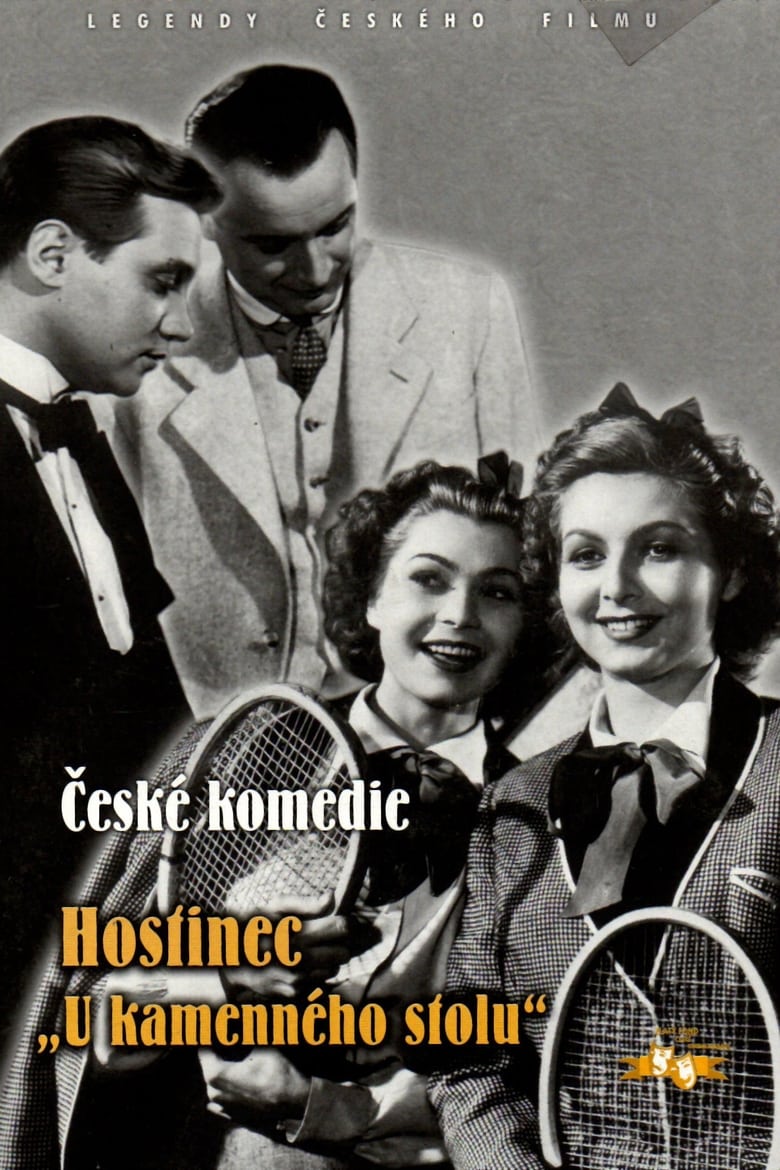
An innkeeper is grieving because his wife left him for a second-rate actor. His two nephews, who are not on speaking terms, have to take over the running of the establishment...
Overall Score
Limited
Category Breakdown
LGBTQ+ Representation
The film focuses on a heterosexual marital breakdown. There is no evidence of non-cisnormative identities or narratives that critique heteronormativity.
Gender Representation
A woman's decision to leave her husband provides a slight departure from static domesticity. However, the central conflict remains anchored in traditional patriarchal structures.
Racial & Ethnic Diversity
The localized setting and 1949 Czechoslovakian origin suggest an ethnically homogeneous cast. There is no indication of racial blending or diverse casting.
Religious & Cultural Diversity
The story centers on traditional European social structures and the importance of the family unit. It operates within the established social morality of its era.
Disability Representation
There is no information available regarding the depiction of physical or neurodivergent characters.
Strengths
Areas for Improvement
AI Analysis
Hostinec „U kamenného stolu“ is a conventional mid-century comedy that prioritizes traditional interpersonal drama and familial responsibility. The narrative architecture is built around domestic upheaval and the struggle for professional continuity between estranged relatives. The film reflects the social hierarchies and demographic norms prevalent in 1940s European cinema. It lacks the systemic complexity or intersectional casting necessary to move beyond its historical context. While the plot introduces domestic instability through a wife's departure, the work remains a product of its time, adhering to established social and cinematic norms.
1951

1940
1941
1947
1938
1945
1935

1933
1944

1960
1928

1963
No reviews yet. Be the first to share your thoughts on this movie!
Use the rating form above to leave a star rating and optional review.